
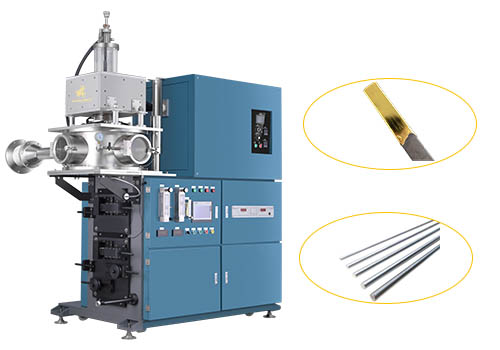
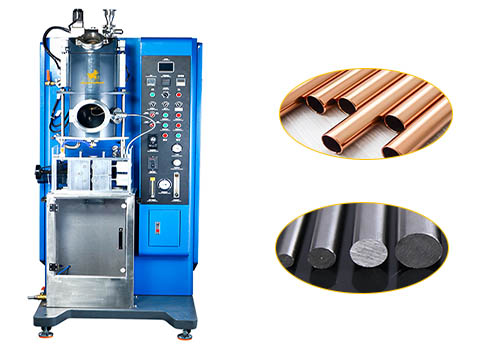
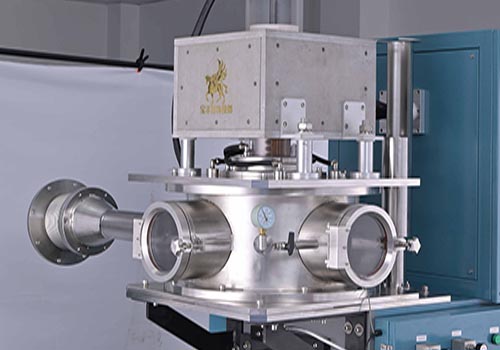
Application
- Industry: Jewelry Casting, Precious Metal Processing, University Laboratories, and related fields.
- Metals: Gold, K Gold, Silver, Copper, and their alloys.
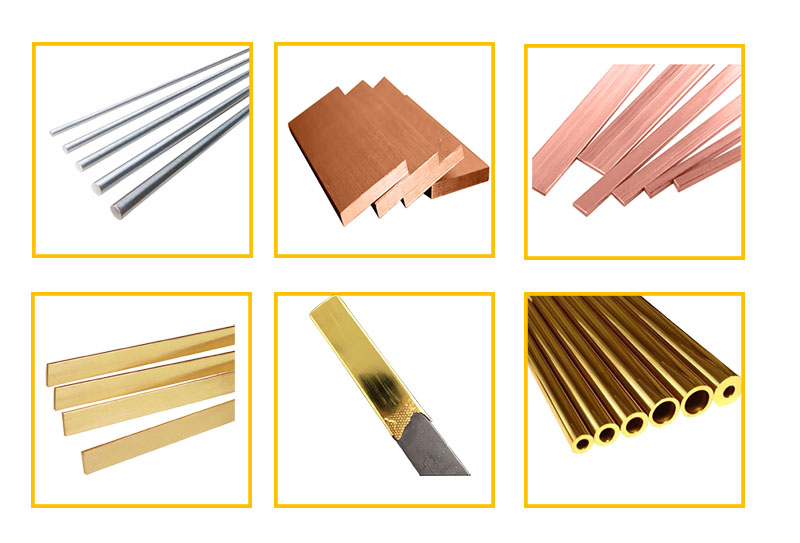
Parameters
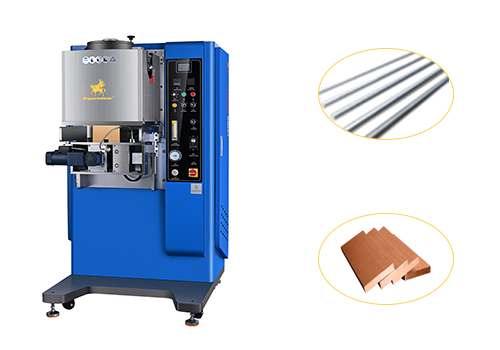
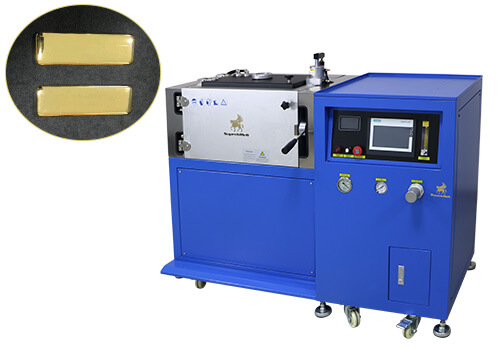
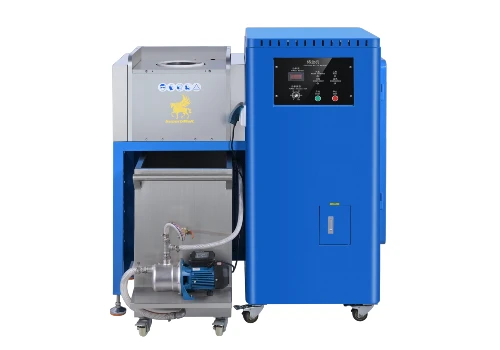
| Model number | SPB-HVLS | SPB-HLS |
| Power source | 380V | Single phase 220V, 50/60Hz |
| Power | 15 kw | 15kw |
| Applicable metal | Gold, Silver, Copper, Brass, Bronze, and their alloys | Gold, Silver, Copper, Brass, Bronze, and their alloys |
| Melting time | 5minutes | 5minutes |
| Max capacity | 24K Gold: 1.2 kg 18K Gold: 1.0 kg 925 Silver: 0.6 kg | 24K Gold: 2.4 kg 18K Gold: 2.0 kg 925Silver: 1.2 kg |
| Max temperature | 1600℃ | 1600℃ |
| Temperature control k-type | Optional | Optional |
| Dimension | 2100*1250*1950mm | 900*1150*2000mm |
| Weight | 680kg | 220 kg |
| Heating technology | Induction heating | Induction heating |
| Cooling way | Water cooling | Water cooling |
Features & Benefits
- High vacuum (6.67×10⁻⁴pa), high vacuum melting, high product density, low oxygen content, no pores, suitable for the production of high-quality bonding wire.
- Anti-oxidation, inert gas protection during refining to solve the problem of alloy oxidation.
- Uniform fineness, electromagnetic and physical stirring methods make the alloy more uniformly colored.
- Smooth surface of the finished product, using a bottom-pulling design, the traction wheel undergoes special treatment, resulting in a flat and undamaged finished product with a smooth surface.
- Precise temperature control ±1℃, using imported temperature control meters, intelligent PID temperature control system, temperature difference ±1℃.
- 7-inch full-color touch screen, more convenient for observation/touch, new system, concise UI interface, easy operation with a single touch.
- Multiple protections, multiple safety protections, worry-free use.

Professional R&D Team:
Over 15 years R&D experience in gold machinery with a top engineer team supported

High Quality:
Only choose famous brand main electric components for production

ISO CE SGS Approved:
Professional certification bodies certify that the machines are of high quality
 © Copyright 2008-2021 Superb Electromachinery Co., Limited