Chapter 1:
How Goldsmiths and Silversmiths Use Roll Cutting Machines to Increase Output
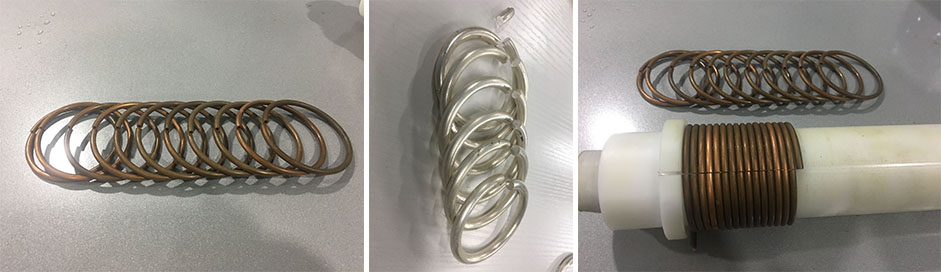
1.1, How artisans use cutting machines to mass-produce rings or bracelets
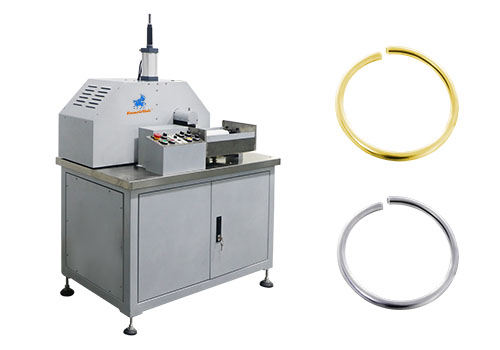
In the world of handcrafted jewelry, precision and efficiency often go hand-in-hand. While the artistry of a piece lies in its design, the ability to replicate that design consistently and quickly is equally crucial for success. This is where roll cutting machines become a vital part of modern jewelry workshops.
Why Artisans Choose Roll Cutting Machines for Jewelry Making
1. Versatile Material Handling
Roll cutting machines can process:
Workflow Example: Ring Mass Production with a Roll Cutting Machine
Prepare the Coil: Artisans begin with a pre-rolled gold or silver alloy strip.
Set Dimensions: The machine is calibrated for the ring’s width and thickness.
Batch Cutting: The strip is fed into the machine, which slices it into multiple identical blanks.
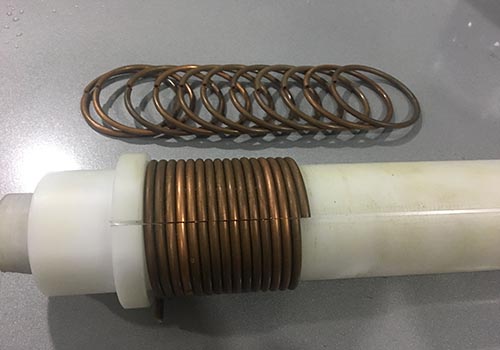
Further Processing: Each blank is then rolled, formed, soldered, and polished into a finished ring.
This same process applies to bracelet production, with adjustments made for length and curve radius.
Industries Benefiting from Roll Cutting Machines
1.2, Reduce manual sawing and improve consistency
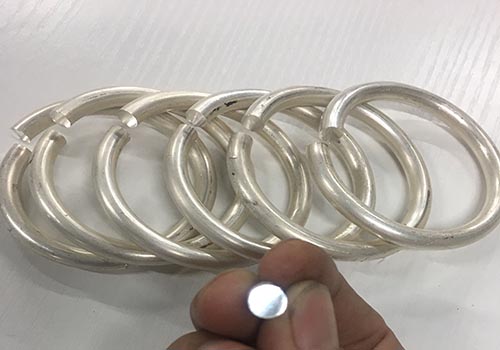
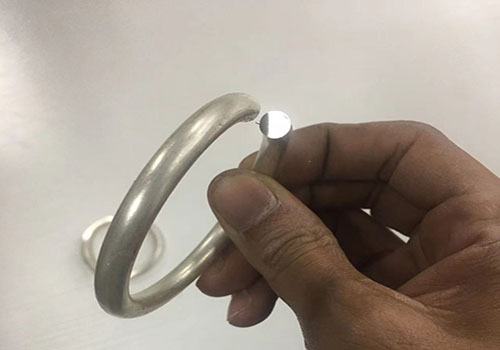
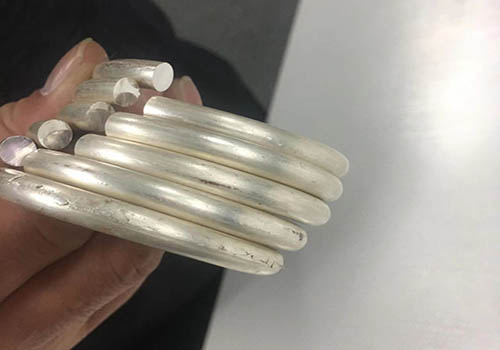
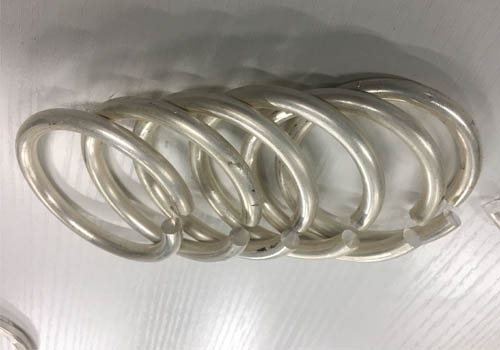
Artisans use cutting machines to mass-produce rings or bracelets by significantly reducing the need for manual sawing and ensuring uniformity in each piece. These machines allow for:
- Precise cutting of metal strips to exact dimensions needed for ring or bracelet blanks.
- Improved efficiency, enabling artisans to produce large batches in a fraction of the time compared to hand-cutting.
1.3, How startup jewelry brands can use this equipment to boost production capacity and efficiency
1. Scale Production with Minimal Labor
These machines automate repetitive tasks like cutting, bending, and shaping metal strips, enabling small teams to produce large batches of ring or bracelet blanks.
2. Speed Up the Manufacturing Timeline
3. Reduce Material Waste
Precision equipment minimizes errors and offcuts, saving costly gold, silver, or brass materials—critical for startups watching their bottom line.
Chapter 2:
Jewelry Studio Workflow Optimization Using Roll Cutting Machines
By integrating roll cutting machines into the studio workflow, jewelers can streamline repetitive tasks such as preparing blanks for rings, bangles, and pendants. The result is a more standardized output, faster production cycles, and minimized material waste.
2.1, Workflow redesign example: An integrated process from wire drawing, sheeting, cutting, to welding
Wire Drawing
Raw gold or silver is passed through a wire drawing machine to achieve the desired thickness for specific designs (e.g., rings, bangles, or chain links).
Sheet Rolling
The drawn metal is flattened into sheets using a rolling mill. These sheets form the base material for bracelets, pendants, and more.
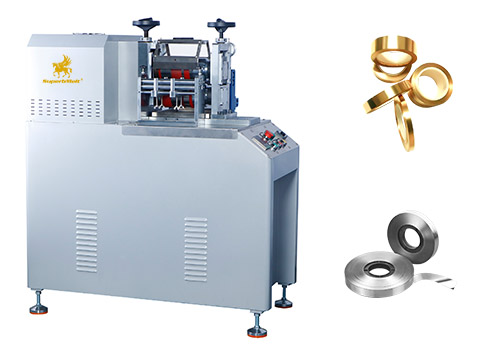
Precision Cutting with Roll Cutting Machine
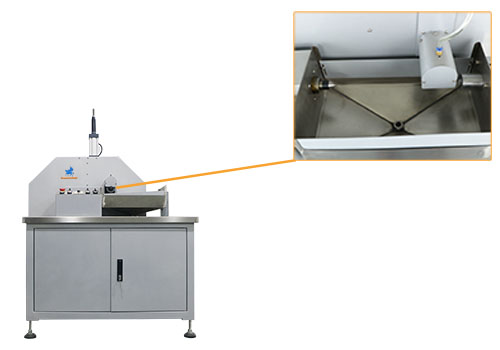
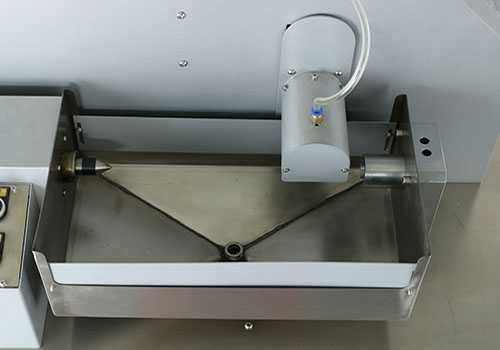
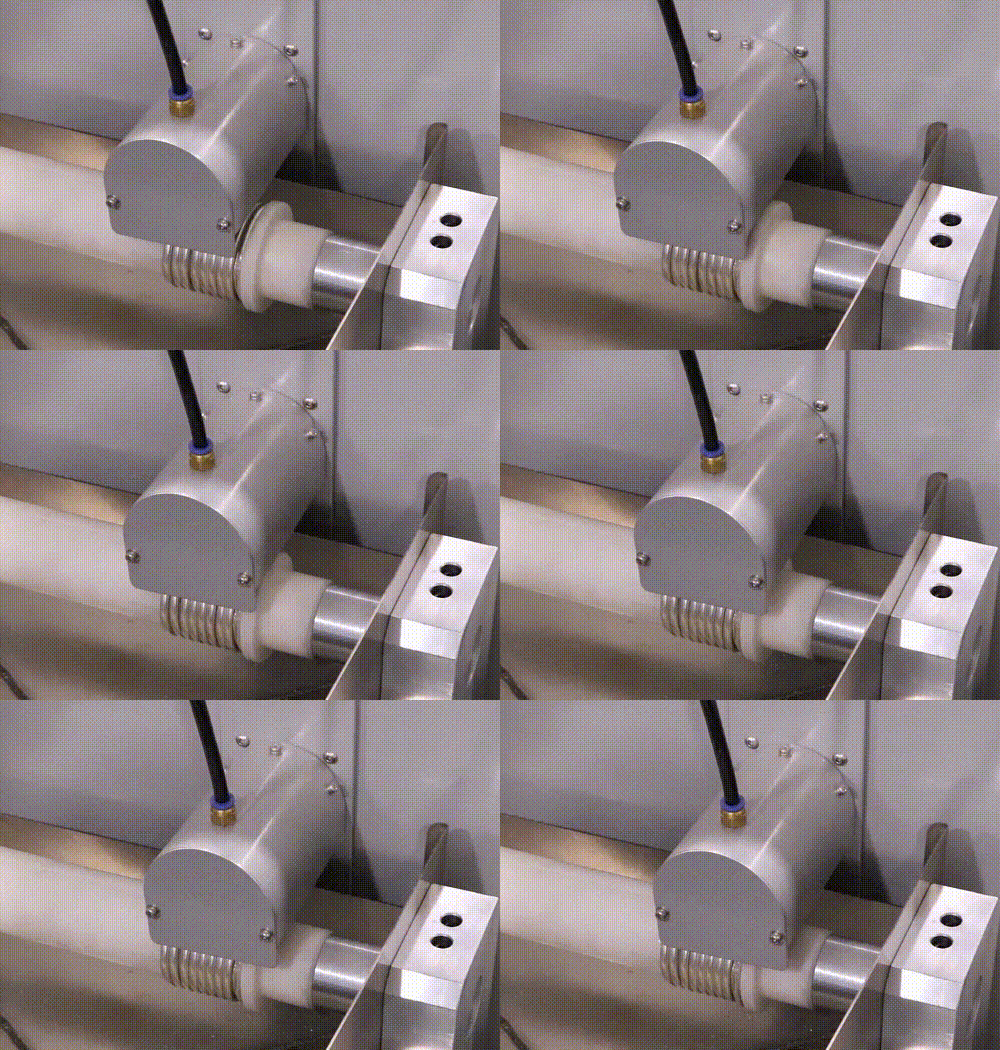
Using a roll cutting machine, the metal sheets or wires are accurately cut into uniform segments according to the design—significantly reducing the need for manual sawing. This step improves consistency and speed, especially in batch production.
Forming & Bending
The cut segments can be shaped using bending machines—such as a circular bending machine—to create curved elements like ring bands or bangles.
Welding or Soldering
The shaped components are welded or soldered to complete the piece. The precision of earlier steps reduces gaps and improves joint quality, simplifying the welding process.
Polishing & Finishing
The completed pieces go through polishing, engraving, or plating, ready for market.
2.2, How to use roll cutting with chain cutting machines, sheeting machines, etc.
1. Roll Cutting Machine + Sheeting Machine (Rolling Mill)
Process: Start by drawing or rolling metal (gold, silver, platinum) into thin sheets using a rolling mill.
Use: Feed the uniform sheet directly into the roll cutting machine.
Outcome: You get precisely cut strips ready for further shaping into ring blanks, bracelet segments, or chain links.
2. Roll Cutting Machine + Chain Cutting Machine
Process: After cutting narrow strips with the roll cutter, those strips are passed to chain-making machines (like curb chain or cable chain machines).
Use: Ensures that each chain link is made from a consistent and cleanly cut metal strip.
Benefit: Improves chain symmetry, reduces breakage rates, and boosts chain production speed.
3. Roll Cutting Machine + Wire Drawing + Welding
Step 1: Draw thick wire into finer wire with a wire drawing machine.
Step 2: Flatten or shape it with a rolling mill, then cut into uniform pieces with the roll cutter.
Step 3: Use precision welding machines (laser or arc welders) to join components into jewelry structures (e.g., closed rings, linked chains, hinge components).
Benefits of Equipment Integration:
Reduced Manual Labor: No more hand-sawing or inconsistent cutting.
Consistency in Size: Uniform parts ensure seamless assembly.
High Output: Combined use of machines creates a semi-automated production line.
Scalable: Ideal for studios and brands looking to expand production.
2.3, Cost and time savings analysis
Introducing roll cutting machines into a jewelry workshop significantly reduces production time and labor costs. Compared to manual sawing or hand-cutting methods, roll cutting machines automate the cutting process, enabling precise and consistent cuts at a much faster rate.
Time Savings:
Manual sawing of metal sheets or wires may take several minutes per piece, especially when aiming for accuracy and uniformity.
A roll cutting machine can cut dozens of identical pieces in the same time it takes to manually saw just one or two.
For example, producing 100 ring blanks manually might take 4–5 hours. With a roll cutter, this can be reduced to less than 1 hour.
Labor Cost Reduction:
Material Optimization:
ROI and Long-Term Value:



 © Copyright 2008-2026 Superb Electromachinery Co., Limited