
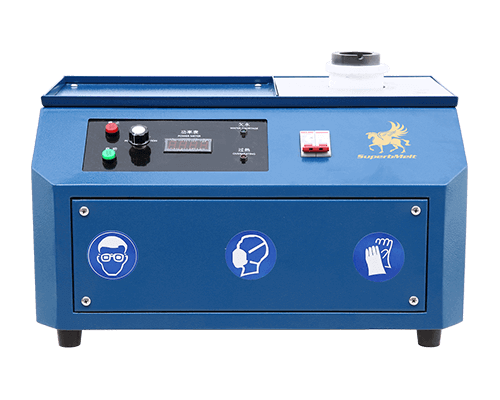
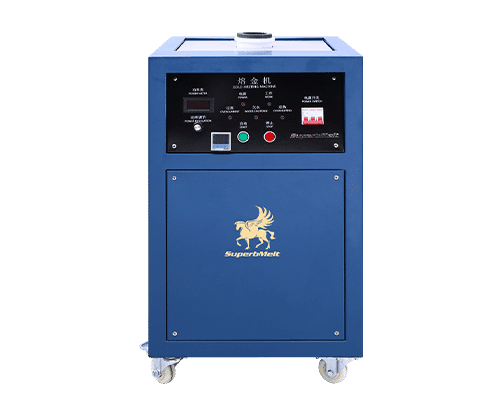
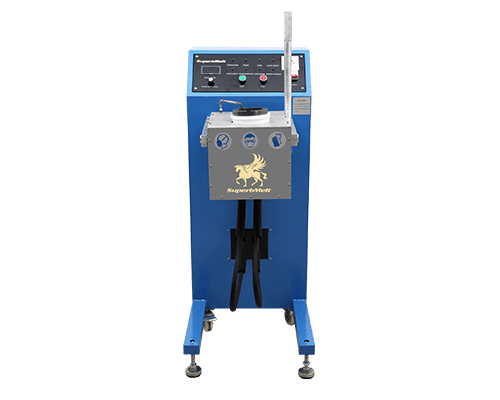
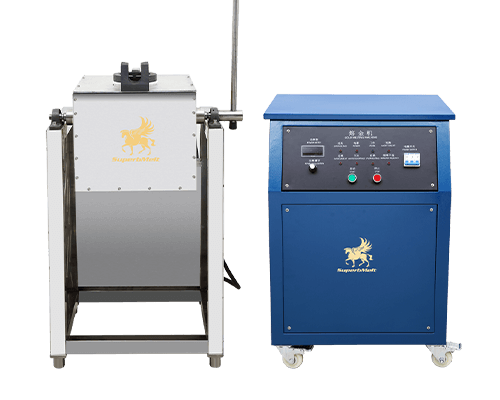

2 years warranty
The warranty for our machine is one year longer than the warranty provided by other factories.

ISO CE SGS approved
Professional certification bodies certify that the machines are of high quality.

Strong service team
We will give response within 24 hours against your problem by our professional engineer.

In the global metal processing industry, non-ferrous metals such as gold, silver, copper, platinum, and palladium are core materials driving industries like jewelry manufacturing, electronic components production, and renewable energy. The melting process is the critical first step in non-ferrous metal processing—its efficiency, precision, and cost-effectiveness directly determine product quality, operational costs, and market competitiveness. However, many businesses face pain points when selecting and using non-ferrous melting furnaces: unclear differences between non-ferrous and ferrous furnaces, mismatched capacity leading to energy waste or production bottlenecks, unstable temperature control causing high-value metal loss, and outdated heating technology resulting in high energy consumption.
This comprehensive buyer & application guide is tailored to help businesses, whether small jewelry workshops, large scrap metal recycling plants, or industrial production enterprises, fully understand non-ferrous melting furnaces. From basic definitions and core technologies to capacity selection and cross-industry applications, we will systematically sort out the key points of purchasing and using non-ferrous melting furnaces, enabling you to make informed decisions, optimize melting processes, and achieve efficient, low-cost metal processing.
What Is a Non-Ferrous Melting Furnace?
Before diving into purchasing decisions, it is essential to clarify the core definition of a non-ferrous melting furnace, its unique value in metal processing, and how it differs from traditional ferrous metal furnaces. This foundational understanding will help you accurately match your business needs.
1.1, Definition and Role in Metal Processing
A non-ferrous melting furnace is a professional thermal processing device designed specifically for melting non-ferrous metals (metals that do not contain iron as the main component, such as gold, silver, copper, aluminum, platinum, palladium) and their alloys. Its core role is to heat solid non-ferrous metal materials to their melting point, convert them into homogeneous molten metal, and provide high-quality molten materials for subsequent processes such as casting, forging, rolling, and refining.
In metal processing workflows, non-ferrous melting furnaces bear the responsibility of “material preparation”: the quality of molten metal (such as purity, uniformity, and impurity content) directly affects the performance of final products. For example, in jewelry manufacturing, uneven melting of gold can lead to surface defects in finished jewelry; in industrial copper wire production, impure molten copper can reduce the conductivity of the wire. Therefore, a high-quality non-ferrous melting furnace is the cornerstone of stable production in non-ferrous metal processing industries.
1.2, Difference Between Non-Ferrous and Ferrous Metal Furnaces
Many businesses confuse non-ferrous and ferrous metal furnaces, but the two have significant differences in design principles, heating requirements, and material compatibility—choosing the wrong type can lead to serious production problems. The key differences are as follows:
- Target Metal Properties: Ferrous metals (such as iron and steel) have high melting points (steel melts at around 1450°C) and high thermal conductivity, requiring furnaces with high heat output and large capacity. Non-ferrous metals have lower melting points (gold melts at 1064°C, silver at 961.8°C, copper at 1085°C) but are more prone to oxidation and volatilization—non-ferrous melting furnaces need precise temperature control and anti-oxidation designs to reduce metal loss.
- Heating Technology Focus: Ferrous metal furnaces often use coal-fired, gas-fired, or traditional resistance heating, prioritizing high heat output. Non-ferrous melting furnaces are increasingly adopting IGBT induction heating technology, which heats metals from the inside out, ensuring uniform melting and minimal oxidation—critical for protecting high-value non-ferrous metals.
- Furnace Material and Structure: Ferrous metal furnaces are made of high-temperature-resistant refractory materials to withstand high melting temperatures. Non-ferrous melting furnaces require crucibles (such as graphite, ceramic) that are compatible with non-ferrous metals to avoid chemical reactions between the furnace body and molten metal, which could contaminate the metal.
- Energy and Cost Control: Non-ferrous metals (especially precious metals like gold and platinum) are high-value, so non-ferrous melting furnaces focus on reducing metal loss and energy consumption. Ferrous metal furnaces prioritize production efficiency and large-scale processing, with relatively lower requirements for unit energy consumption.
1.3, Typical Industries Using Non-Ferrous Melting Furnaces
Due to their unique advantages in processing non-ferrous metals, non-ferrous melting furnaces are widely used in multiple industries that rely on non-ferrous metal processing. The typical application industries include:
- Jewelry Manufacturing and Precious Metal Processing: Small to medium-sized jewelry workshops, precious metal refineries, and custom jewelry studios—using furnaces to melt gold, silver, platinum, and palladium for casting custom jewelry, recycling old jewelry, and producing precious metal ingots.
- Scrap Metal Recycling: Scrap non-ferrous metal recycling plants—melting scrap copper, aluminum, gold, and silver from industrial waste, electronic waste, and old jewelry into reusable ingots, realizing resource recycling and cost reduction.
- Industrial Production: Electronic component manufacturers (melting copper, aluminum for wire and connector production), automotive parts manufacturers (melting aluminum alloys for lightweight parts), and new energy enterprises (melting copper, nickel for battery electrode production).
- Research and Experimentation: Universities, research institutes, and material testing centers—using small-capacity non-ferrous melting furnaces for metal alloy experimentation, new material development, and sample testing.
Metals and Melting Capacity Range
The core of selecting a non-ferrous melting furnace lies in matching the furnace’s metal compatibility and capacity with your actual production needs. Choosing the right metal support range and capacity can maximize equipment utilization, reduce energy waste, and ensure production efficiency.
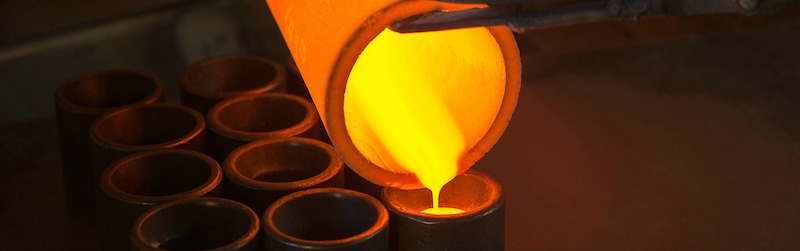
2.1, Supported Metals: Gold, Silver, Copper, Stainless Steel, Platinum, Palladium
High-quality non-ferrous melting furnaces have wide metal compatibility, covering most common non-ferrous metals and their alloys used in industrial and commercial applications. The key supported metals include:
- Precious Metals: Gold (Au), silver (Ag), platinum (Pt), palladium (Pd)—the core materials in jewelry manufacturing and precious metal trading. Non-ferrous melting furnaces for precious metals feature precise temperature control and low-loss designs to avoid volatilization and oxidation of high-value metals.
- Base Non-Ferrous Metals: Copper (Cu), aluminum (Al), brass (copper-zinc alloy), bronze (copper-tin alloy)—widely used in industrial production. The furnaces can handle large batches of these metals, ensuring uniform melting and stable output.
- Special Alloys: Stainless steel (austenitic stainless steel containing nickel, chromium), titanium alloys, and nickel-based alloys—used in high-precision industrial fields such as aerospace and medical devices. Non-ferrous melting furnaces for these alloys require high-temperature resistance (up to 2800°C) and strict impurity control.
Note: When selecting a furnace, confirm whether it supports the specific metals and alloys your business processes. For example, if your main business is gold jewelry recycling, prioritize furnaces optimized for precious metals with low loss rates; if you process stainless steel, select furnaces with a maximum temperature of over 1600°C.
2.2, Small to Large Capacity Options (1g to 250kg)
Non-ferrous melting furnaces offer a wide range of capacity options to adapt to different production scales—from small-scale DIY experiments to large-scale industrial mass production. The typical capacity range is 1g to 250kg per batch, which can be divided into three categories:
- Small-Capacity (1g–2kg): Suitable for small jewelry workshops, DIY enthusiasts, and research institutes. Ideal for small-batch production such as custom jewelry casting, precious metal sample testing, and alloy experimentation. The advantages include compact size, low energy consumption, and easy operation—no need for large-scale workshop space.
- Medium-Capacity (2kg–20kg): Suitable for medium-sized jewelry factories, small scrap metal recycling plants, and electronic component manufacturers. Can meet daily production needs such as batch jewelry casting, small-batch scrap copper/aluminum recycling, and electronic part processing. Balances efficiency and flexibility, adapting to frequent material switching.
- Large-Capacity (20kg–250kg): Suitable for large-scale industrial enterprises, large scrap metal recycling bases, and non-ferrous metal smelters. Designed for mass production such as continuous copper ingot casting, large-batch aluminum alloy processing, and industrial-grade precious metal refining. Features high power, high efficiency, and continuous operation capabilities.
2.3, Choosing Capacity Based on Production Scale
Selecting the right capacity is critical to avoiding “overcapacity waste” or “insufficient capacity bottlenecks.” Here are practical suggestions for capacity selection based on different production scales:
- Small-Scale Operations (Daily Output < 5kg): Such as individual jewelry designers, small sample testing labs—choose small-capacity furnaces (1g–2kg). Advantages: low initial investment, low energy consumption, and flexible operation, suitable for small-batch, personalized production.
- Medium-Scale Operations (Daily Output 5kg–50kg): Such as medium-sized jewelry workshops, small electronic component factories—choose medium-capacity furnaces (2kg–20kg). For example, a jewelry workshop producing 20kg of silver jewelry per day can select a 10kg/batch furnace, completing 2–3 batches per day to balance efficiency and energy consumption.
- Large-Scale Operations (Daily Output > 50kg): Such as large scrap metal recycling plants, industrial aluminum alloy manufacturers—choose large-capacity furnaces (20kg–250kg). It is recommended to match multiple furnaces for parallel operation to ensure continuous production and avoid production interruptions due to single-furnace maintenance.
Key Tip: When selecting capacity, consider not only current production needs but also future expansion plans. Choosing a furnace with 20–30% excess capacity can avoid re-purchasing equipment due to production scale expansion in the short term.
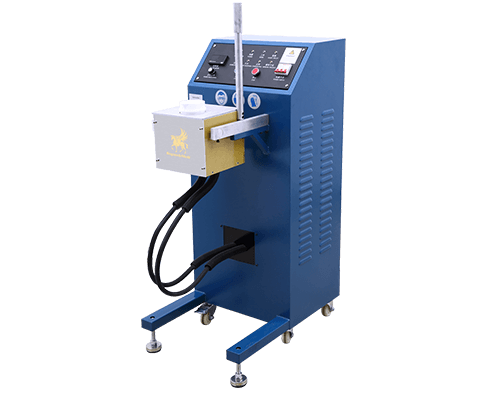
Induction Heating Technology Explained
Heating technology is the core of non-ferrous melting furnaces’ performance. Among various heating technologies, IGBT induction heating has become the mainstream choice for high-quality non-ferrous melting furnaces due to its advantages of fast melting, energy saving, and uniform heating. Understanding its working principle and advantages will help you recognize the value of high-quality furnaces.
3.1, IGBT Induction Heating Working Principle
IGBT (Insulated Gate Bipolar Transistor) induction heating technology works based on the principle of electromagnetic induction: the furnace’s induction coil generates a high-frequency alternating magnetic field when energized. When non-ferrous metal materials are placed in the magnetic field, eddy currents are induced inside the metal—these eddy currents generate heat due to the metal’s electrical resistance, heating the metal from the inside out until it melts.
Compared to traditional heating methods (such as resistance heating, gas heating), IGBT induction heating skips the “heat transfer” process (from the furnace body to the metal) and directly heats the metal itself. This fundamental difference gives it unique advantages in non-ferrous metal melting.
3.2, Benefits: Fast Melting Speed and Consistent Metal Quality
For businesses, fast melting speed means higher production efficiency, and consistent metal quality means lower defect rates. IGBT induction heating technology excels in both aspects:
- Ultra-Fast Melting Speed: Direct internal heating eliminates heat loss during transfer. For example, a 10kg IGBT induction melting furnace can melt silver in 3–5 minutes, while traditional gas furnaces take 10–15 minutes. This significantly shortens the melting cycle—for a scrap metal recycling plant processing 50kg of copper per day, IGBT induction furnaces can save 2–3 hours of production time compared to traditional furnaces.
- Consistent and High-Quality Molten Metal: Internal heating ensures uniform temperature distribution throughout the metal, avoiding local overheating or underheating. This prevents problems such as uneven alloy composition, oxide inclusions, and air bubbles in the molten metal. For example, in jewelry manufacturing, using IGBT induction furnaces to melt gold can ensure the purity of the molten gold, making the finished jewelry’s surface smooth and shiny, with no defects.
3.3, Energy Efficiency and Reduced Power Consumption
Energy costs are a major part of non-ferrous metal processing operations. IGBT induction heating technology’s energy efficiency advantage directly reduces operational costs:
- High Energy Utilization Rate: Traditional heating methods have energy utilization rates of only 40–60%, with most heat lost to the environment. IGBT induction heating’s energy utilization rate exceeds 85%—almost all electrical energy is converted into heat for melting metals, significantly reducing energy waste.
- Reduced Power Consumption: Taking a 10kg capacity furnace as an example, IGBT induction furnaces have a power consumption of 8–12kW per hour, while traditional resistance furnaces of the same capacity consume 15–20kW per hour. For a business operating 8 hours a day, this can save 56–64kW·h of electricity per day, reducing monthly energy costs by 30–40%.
- Intelligent Energy Saving: Most IGBT induction melting furnaces are equipped with intelligent control systems that automatically adjust power output according to the metal’s heating state. When the metal approaches the melting point, the system reduces power to maintain temperature, avoiding unnecessary energy consumption.
Temperature Performance and Furnace Design
Temperature performance and furnace design directly affect the furnace’s applicability, durability, and metal processing quality. For non-ferrous metals with different melting points (especially high-value and high-melting-point metals), the furnace’s temperature range, stability, and structural design are critical selection criteria.
4.1, Wide Temperature Range (1600°C–2800°C)
Different non-ferrous metals and alloys have significantly different melting points—non-ferrous melting furnaces need a wide temperature range to cover diverse processing needs. The typical temperature range of high-quality non-ferrous melting furnaces is 1600°C–2800°C, which can fully meet the melting requirements of most non-ferrous metals:
- Low-Melting-Point Metals: Silver (961.8°C), gold (1064°C), copper (1085°C)—easily melted at 1200°C–1600°C, ensuring complete melting without overheating and oxidation.
- Medium-Melting-Point Alloys: Brass (900°C–940°C), bronze (950°C–1050°C), aluminum alloys (660°C–700°C)—the furnace’s precise temperature control can maintain the optimal melting temperature, ensuring alloy composition uniformity.
- High-Melting-Point Metals/Alloys: Stainless steel (1400°C–1530°C), titanium alloys (1668°C), nickel-based alloys (1400°C–1600°C)—the furnace’s high-temperature capacity (up to 2800°C) can easily handle these materials, expanding the business’s processing scope.
Key Selection Point: When purchasing, confirm that the furnace’s maximum temperature is 200–300°C higher than the melting point of the metals you process. This ensures that the metal can be completely melted and maintains a suitable fluidity for subsequent casting processes.
4.2, Crucible Melting Furnace Structure and Durability
Most non-ferrous melting furnaces adopt a crucible-type structure—using a crucible (a container that holds molten metal) to isolate the metal from the furnace body, which is critical for protecting the furnace body and ensuring metal purity. The key points of crucible structure and durability are as follows:
- Crucible Material Selection: High-quality furnaces use graphite, ceramic, or refractory metal crucibles. Graphite crucibles are suitable for melting gold, silver, and copper—with good thermal conductivity and high-temperature resistance; ceramic crucibles are suitable for melting aluminum and its alloys—avoiding chemical reactions with aluminum; refractory metal crucibles are used for high-precision melting of titanium alloys and other special materials.
- Furnace Body Durability: The furnace body is made of high-density refractory insulation materials, which can withstand long-term high-temperature operation without deformation or heat loss. High-quality furnaces also have a sealed design to prevent air from entering the furnace, reducing metal oxidation and extending the furnace’s service life (usually 5–8 years).
- Easy Crucible Replacement: The crucible is a consumable part—high-quality furnaces are designed with easy-to-replace crucible structures, allowing users to replace crucibles in 10–15 minutes without professional tools, reducing maintenance time and production downtime.
4.3, Temperature Stability for High-Value Metals
For high-value non-ferrous metals (such as gold, platinum, and palladium), even slight temperature fluctuations can cause oxidation and volatilization, leading to significant economic losses. Therefore, temperature stability is a core requirement for non-ferrous melting furnaces:
- Precise Temperature Control: High-quality furnaces are equipped with digital temperature control systems with a temperature control accuracy of ±5°C. Users can set the exact melting temperature according to the metal type, ensuring stable temperature throughout the melting process.
- Temperature Compensation and Stabilization: The furnace’s intelligent control system can automatically compensate for temperature changes caused by external factors (such as ambient temperature, voltage fluctuations). For example, if the ambient temperature drops, the system will slightly increase power to maintain the set temperature.
- Anti-Oxidation Protection: Some high-end furnaces are equipped with inert gas (argon, nitrogen) protection systems—filling the furnace with inert gas during melting to isolate air, further reducing oxidation and volatilization of high-value metals. This is especially important for precious metal processing, where it can reduce metal loss to less than 0.5%.
Application Scenarios Across Industries
Non-ferrous melting furnaces’ wide metal compatibility, flexible capacity options, and advanced heating technology make them suitable for diverse application scenarios across industries. Understanding the application characteristics of different scenarios can help you better match your business needs.
5.1, Jewelry Manufacturing and Precious Metal Processing
In the jewelry industry, non-ferrous melting furnaces are mainly used for melting precious metals (gold, silver, platinum, palladium) for custom jewelry casting, old jewelry recycling, and precious metal ingot production. The key application requirements and furnace selection suggestions are as follows:
- Core Requirements: Low metal loss (critical for high-value precious metals), small to medium capacity (suitable for small-batch custom production), easy operation (no professional smelting experience required), and compact size (suitable for workshop counters or small studios).
- Furnace Selection: Choose small to medium-capacity (1kg–10kg) IGBT induction melting furnaces with precise temperature control and inert gas protection. For example, a jewelry workshop specializing in custom wedding rings can select a 2kg capacity furnace—melting 2kg of 18K gold in 4–5 minutes, completing 10–20 ring castings per batch, with a metal loss rate of less than 0.3%.
5.2, Scrap Metal Recycling and Metal Refining
Scrap non-ferrous metal recycling is a cost-effective way to obtain non-ferrous metals. Non-ferrous melting furnaces play a key role in melting scrap metals into reusable ingots. The application characteristics and selection suggestions are as follows:
- Core Requirements: Large capacity (suitable for batch processing of scrap metals), fast melting speed (improving recycling efficiency), strong adaptability (handling mixed scrap metals), and low energy consumption (reducing recycling costs).
- Furnace Selection: Choose medium to large-capacity (10kg–250kg) IGBT induction melting furnaces. For example, a scrap copper recycling plant processing 100kg of scrap copper per day can select two 50kg capacity furnaces for parallel operation—melting 50kg of scrap copper in 15–20 minutes per batch, completing 2 batches per furnace per day, with energy consumption 30% lower than traditional gas furnaces.
5.3, Industrial Production and Experimental Metal Melting
In industrial production and scientific research, non-ferrous melting furnaces are used for mass production of industrial non-ferrous metal parts and experimental development of new metal materials. The application characteristics and selection suggestions are as follows:
- Industrial Production Core Requirements: Large capacity, continuous operation capability, high temperature stability, and long service life. For example, an automotive aluminum alloy part manufacturer needs a 100kg–250kg capacity furnace to melt aluminum alloys continuously, ensuring stable quality of automotive parts.
- Experimental Melting Core Requirements: Small capacity, precise temperature control, wide temperature range, and easy parameter adjustment. For example, a material research institute can select a 1g–500g small-capacity furnace to test the melting performance of new nickel-based alloys, with a temperature control accuracy of ±2°C to ensure experimental data accuracy.
Conclusion: How to Choose the Right Non-Ferrous Melting Furnace
Selecting the right non-ferrous melting furnace is not just a purchase decision—it is an investment in improving production efficiency, reducing costs, and ensuring product quality. To make the right choice, you can follow the following four-step process:
- Clarify Processing Materials: First, confirm the types of non-ferrous metals and alloys you need to process (e.g., gold, silver, copper, stainless steel) and their melting points. This determines the furnace’s temperature range and crucible material selection.
- Determine Production Scale: Calculate your daily/weekly melting output to select the appropriate capacity. Avoid overcapacity (wasting energy) or insufficient capacity (causing production bottlenecks). Consider future expansion plans and reserve 20–30% excess capacity.
- Select Heating Technology: Prioritize IGBT induction heating technology—its fast melting speed, energy saving, and uniform heating advantages are far superior to traditional heating methods. For high-value metals, choose furnaces with inert gas protection to reduce metal loss.
- Evaluate Furnace Quality and After-Sales Service: Choose furnaces with high-quality crucibles and refractory materials to ensure long service life. Pay attention to after-sales service (such as installation guidance, maintenance support, and spare parts supply) to avoid production interruptions due to equipment failures.
In summary, non-ferrous melting furnaces are essential equipment for non-ferrous metal processing industries. By matching your business needs with the furnace’s metal compatibility, capacity, temperature performance, and heating technology, you can achieve efficient, precise, and cost-effective metal melting, enhancing your business’s core competitiveness.
Ready to Optimize Your Non-Ferrous Metal Melting Process?
Whether you are a small jewelry workshop, a large scrap metal recycling plant, or an industrial production enterprise, choosing the right non-ferrous melting furnace is the key to improving production efficiency and reducing costs. Our professional team can provide you with one-on-one customized solutions:
- Customized capacity and temperature parameter matching based on your processing materials and production scale;
- Energy consumption and cost-saving analysis (calculating how much you can save annually compared to traditional furnaces);
- Sharing of industry application cases and on-site operation demonstrations.
Contact us today to learn more about non-ferrous melting furnace products and solutions, and take the first step toward efficient, energy-saving, and high-quality non-ferrous metal processing!
 © Copyright 2008-2026 Superb Electromachinery Co., Limited