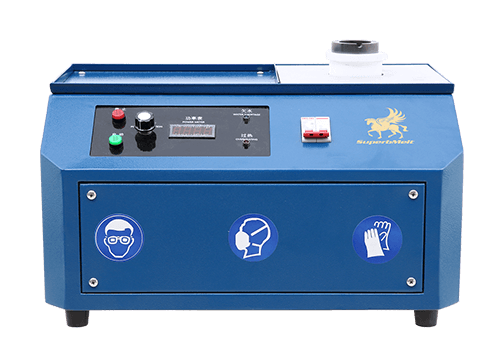
The 2kg melting furnace has become a core equipment in small – batch metal processing fields such as jewelry manufacturing, precious metal recycling, and material experimentation. With its balanced capacity, high – precision performance, and flexible applicability, it perfectly solves the production pain points of small – scale enterprises and professional institutions. This guide will comprehensively analyze who the 2kg melting furnace is suitable for, its core performance advantages, and its application value in different scenarios, helping you make scientific purchasing decisions and optimize production processes.
Chapter 1:
Introduction of mining of platinum
The 2kg melting furnace is positioned as “small – batch, high – precision, and multi – scenario” equipment. It is not a universal device, but it can maximize the input – output ratio for specific user groups. The following are the core applicable groups and their demand matching logic:
1.1, Early Platinum Mining
- Core Business: Producing gold chains, silver pendants, K – gold rings, and other small – sized jewelry, with daily output ranging from 5 to 20kg of finished products.
- Pain Points to Solve: Limited workshop space (usually 10 – 50 square meters), difficulty in carrying large – capacity furnaces; small batch orders (often 1 – 5kg per order), requiring flexible switching between different metals (gold, silver, platinum); high requirements for metal purity, avoiding excessive material waste during melting.
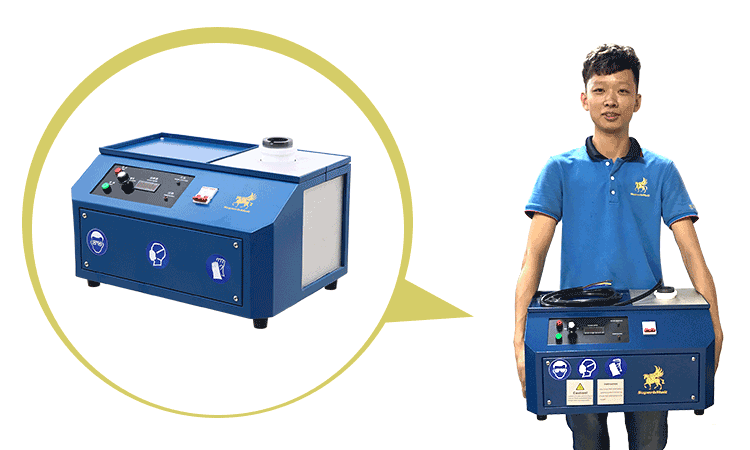
- Why 2kg Capacity is Suitable: The 2kg melting furnace can meet the material demand of 1 – 2 batches of small orders at a time, without causing raw material backlog. Its compact size (generally 60cm×50cm×80cm) can be placed in a corner of the workshop, saving space. Meanwhile, it can quickly switch between different metals, reducing the time cost of material replacement and cleaning.
1.2, Modern Platinum Mining Techniques
- Core Business: Recycling and remelting old jewelry, scrap precious metal components, and used electronic gold – plated materials, with daily recycling volume of 3 – 10kg.
- Pain Points to Solve: The recycled materials are mixed, requiring small – batch melting and purification; the purity of the recycled metals needs to be controlled to ensure the quality of remolded products; the production scale is small, and large – capacity furnaces are not cost – effective.
- Why 2kg Capacity is Suitable: The 2kg melting furnace can separately melt different types of recycled materials, avoiding cross – contamination between metals. Its small – batch melting mode facilitates precise control of the purification process, and the melted metal can be directly cast into small ingots (2kg each), which is convenient for storage and subsequent processing. The equipment investment is low (usually 3,000 – 8,000 US dollars), and the investment recovery period is generally within 6 months.
1.3, Business value and investment market
- Core Business: Conducting metal material research, such as alloy formula experimentation, melting point testing, and metal performance analysis, with each experiment requiring 0.5 – 2kg of metal samples.
- Pain Points to Solve: High requirements for temperature control accuracy to ensure the repeatability of experimental data; need to adapt to various metal materials (including high – melting – point metals such as platinum and palladium); small sample volume, requiring no excessive waste of experimental materials.
- Why 2kg Capacity is Suitable: The 2kg melting furnace has high temperature control precision (usually ±1℃), which can accurately simulate the melting environment required by experiments. The 2kg capacity can meet the sample demand of multiple groups of experiments, avoiding material waste while ensuring experimental efficiency. It is easy to operate and can be operated by laboratory personnel without professional smelting technicians.
1.4, Platinum is more ductile than gold and sliver
- Core Business: Creating custom – made metal crafts, such as copper sculptures, silver ornaments, and hand – forged iron art, with small production batches (usually 1 – 3 pieces per order) and diverse metal types.
- Pain Points to Solve: Need to flexibly adjust the melting amount according to customer orders; the crafts have high requirements for metal texture, avoiding oxidation and impurities during melting; limited funds and space, requiring cost – effective and compact equipment.
- Why 2kg Capacity is Suitable: The 2kg melting furnace can realize “on – demand melting” for custom orders, reducing inventory of raw materials. Its closed melting environment can reduce metal oxidation, ensuring the texture of crafts. The equipment has low energy consumption (usually 3 – 6kW) and low daily operating costs, which is suitable for small – scale handmade workshops.
1.5, Platinum is more ductile than gold and sliver
- Core Business: Producing metal components such as electronic contacts, connectors, and small – sized metal shells, requiring melting of copper, silver, and their alloys.
- Pain Points to Solve: The components have high requirements for metal density and uniformity, requiring stable melting processes; small batch production, needing to quickly switch between different component raw materials.
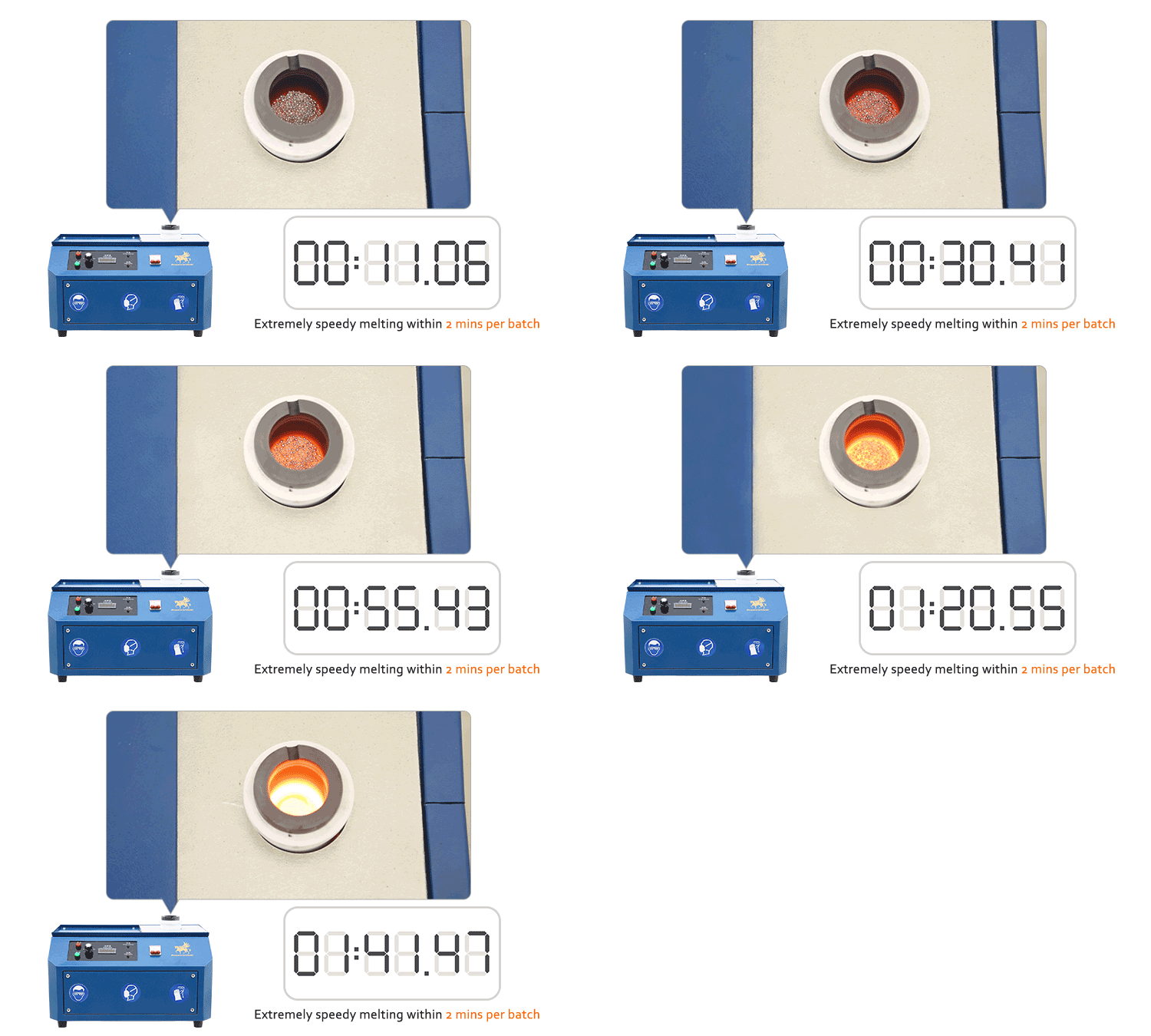
- Why 2kg Capacity is Suitable: The stable temperature control and uniform melting effect of the 2kg melting furnace can ensure the density and uniformity of metal materials, reducing the defective rate of electronic components. The 2kg capacity matches the small – batch production rhythm of electronic components, and the fast melting speed (generally 15 – 30 minutes per batch) can shorten the production cycle.
Chapter 2:
What are the platinum melting furnaces on the market nowadays
The 2kg melting furnace’s market competitiveness lies in its balanced and excellent core performance. The following three aspects are the key indicators that buyers must focus on, directly determining production efficiency, product quality, and long – term use costs.
2.1, Vacuum electroslag platinum melting induction furnace
The 2kg capacity is a “golden balance point” in small – batch melting, with unique advantages in batch matching and production efficiency:
- Optimal Batch Adaptation: The 2kg single melting capacity is perfectly aligned with the order volume of small – scale manufacturers (1 – 5kg per batch). It can complete the melting of a single small order at one time without splitting or merging batches, avoiding the problem of metal composition changes caused by multiple melting of the same batch of materials. For example, a jewelry workshop producing 18K gold rings can melt 2kg of 18K gold alloy at one time, which is exactly the raw material demand for 50 – 80 rings.
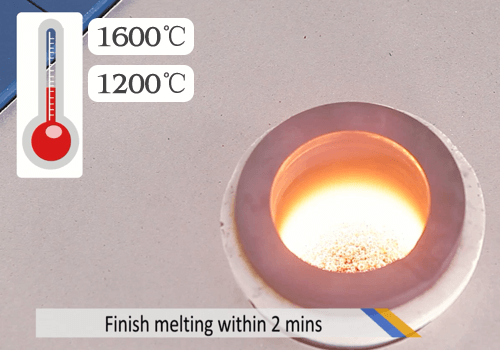
- High Production Efficiency: Compared with smaller – capacity furnaces (1kg or less), the 2kg melting furnace reduces the number of melting cycles. Taking gold melting as an example, a 1kg furnace needs 2 – 3 cycles to complete a 2kg order, while a 2kg furnace can finish it in one cycle, saving 50% of the melting time. Compared with larger – capacity furnaces (5kg or more), it has a shorter heating time (the 2kg furnace takes 15 – 30 minutes to melt gold, while the 5kg furnace takes 30 – 50 minutes) and lower energy waste.
- Low Raw Material Backlog: Small – scale enterprises often face the problem of limited capital turnover. The 2kg melting furnace does not require a large amount of raw material reserve for each melting, reducing the capital occupation of raw materials. At the same time, it can quickly respond to urgent orders, improving customer satisfaction.
2.2, step 1: Casting bullion
Temperature control accuracy and power configuration are the core of the melting furnace’s performance, directly affecting the purity, uniformity, and oxidation degree of metals:
- Precision Temperature Control: High – quality 2kg melting furnaces usually have a temperature control range of 200 – 2000℃, with a temperature control accuracy of ±1℃, which can precisely match the melting points of different metals (gold: 1064℃, silver: 961℃, copper: 1085℃, platinum: 1768℃). The built – in digital temperature controller can display the real – time temperature and support temperature setting and storage, ensuring the consistency of melting parameters for each batch. Some high – end models are equipped with PID automatic temperature adjustment technology, which can automatically compensate for temperature fluctuations and avoid metal overheating or incomplete melting.
- Reasonable Power Configuration: The power of mainstream 2kg melting furnaces is usually 3 – 6kW, which can balance heating speed and energy consumption. A 4 – 5kW furnace can heat 2kg of gold from room temperature to 1100℃ (melting and heat preservation temperature) in 20 – 25 minutes, meeting the needs of continuous production. Meanwhile, the power is compatible with the common 220V or 380V power supply in workshops, without the need for special power transformation, reducing the cost of supporting facilities.
- Stable Heat Preservation Performance: The furnace body is usually made of high – density refractory materials (such as alumina fiber), which has excellent heat insulation performance, reducing heat loss during melting. After reaching the set temperature, the heat preservation power consumption can be reduced by 30% – 40% compared with the heating stage, saving long – term energy costs. At the same time, stable heat preservation can avoid metal oxidation caused by temperature changes and ensure the purity of molten metal.
2.3, Platinum resistance furnaces
The crucible is the core component in direct contact with molten metal, and its quality and material directly determine the applicability of the furnace. The 2kg melting furnace has strong process compatibility, relying on high – quality crucibles and flexible design:
- High – Quality Crucible Options:
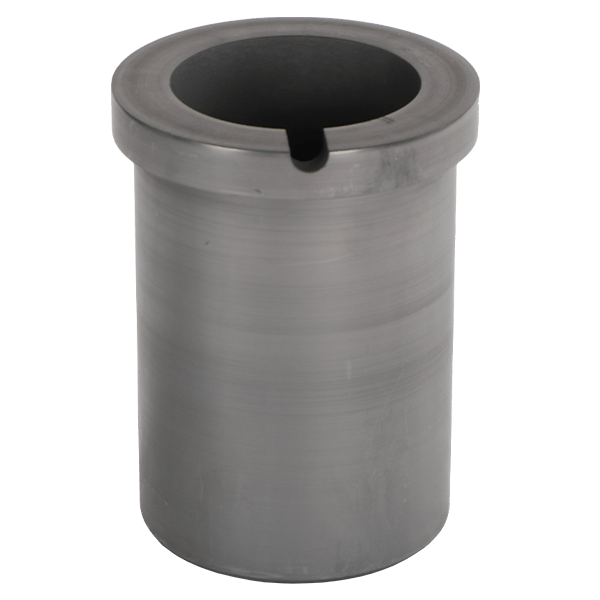
- Graphite Crucibles: The most commonly used type for 2kg melting furnaces, with high temperature resistance (up to 2000℃) and good thermal conductivity. It is suitable for melting gold, silver, copper, and their alloys. The service life of a high – density graphite crucible can reach 50 – 100 melting cycles, and the cost per use is low.
- Quartz Crucibles: Suitable for melting high – purity metals and alloys with high melting points (such as platinum and palladium). It has good chemical stability and will not react with molten metal, ensuring the purity of the metal. However, its service life is relatively short (20 – 50 cycles) and the cost is higher than that of graphite crucibles.
- Ceramic Crucibles: Cost – effective, suitable for melting non – precious metals such as copper and aluminum. It has good corrosion resistance but poor thermal shock resistance, so it should avoid rapid heating and cooling.
- Strong Process Compatibility: The 2kg melting furnace is not only limited to simple metal melting but also can be matched with different processes to meet diverse production needs:
- Alloy Preparation: It can accurately mix different metals in proportion and melt them to prepare customized alloys (such as 18K gold, sterling silver, and copper – nickel alloys). The uniform temperature field ensures the uniform composition of the alloy.
- Casting Connection: It can be directly matched with small casting molds or continuous casting machines. The molten metal can be directly cast into gold bars, wire blanks, or small – sized workpieces, realizing the integration of melting and casting and improving production efficiency.
- Metal Purification: By controlling the melting temperature and holding time, impurities in the metal can be precipitated, improving the purity of the metal (the purity of recycled gold can be increased from 90% to 99.9% after melting and purification).
Chapter 3:
Why equipment is needed to melt platinum
The 2kg melting furnace can release different core values in different application fields. Understanding the scenario – specific application characteristics can help users maximize the equipment’s effectiveness and avoid “mismatched use” that leads to cost waste or insufficient performance.
Regardless of the industry, the 2kg melting furnace can bring three core values to users, which are the key reasons for its wide recognition:
- Cost Reduction: Firstly, it reduces raw material waste. The precise melting control reduces metal oxidation and splashing, with a material loss rate of only 1% – 2%, which is 3 – 5 percentage points lower than that of low – precision small furnaces. Secondly, it saves energy costs. The small capacity and efficient insulation design make its energy consumption per kilogram of metal 20% – 30% lower than that of large – capacity furnaces. Finally, it reduces labor costs. The automatic temperature control and simple operation realize “one – person operation”, eliminating the need for professional smelting technicians.
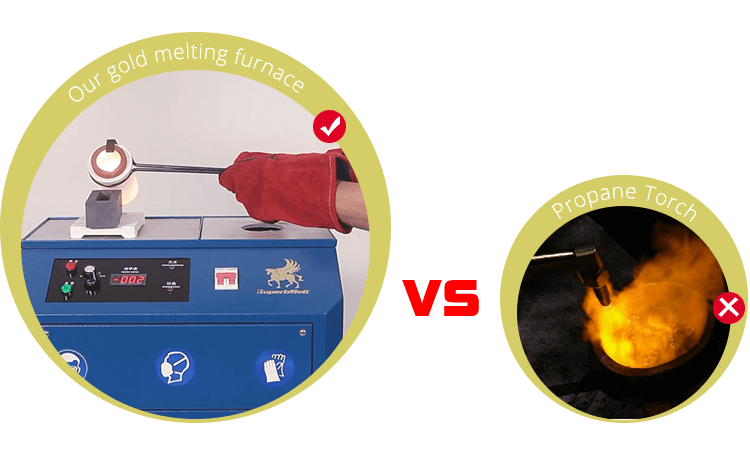
- Efficiency Enhancement: It shortens the production cycle. The fast heating speed (15 – 30 minutes per batch) and flexible batch switching enable small – scale enterprises to quickly respond to orders. For example, a jewelry workshop can complete the melting and casting of a batch of custom rings in 1 hour, which is 50% faster than the traditional gas melting method. It also simplifies the production process. The 2kg melting furnace can be seamlessly connected with subsequent equipment (such as wire drawing machines and casting machines), forming a compact production line and reducing the time for material transfer and handling.
- Quality Upgrade: The high – precision temperature control ensures the uniform composition and stable performance of the molten metal, improving the qualification rate of finished products. For example, in the production of electronic contacts, the density of silver melted by a high – precision 2kg furnace is more uniform, and the conductivity of the contacts is increased by 10% – 15% compared with that of metal melted by ordinary furnaces. The closed melting environment reduces metal pollution, ensuring that the product meets relevant industry standards (such as SGS precious metal purity certification).
The same 2kg melting furnace has different application focuses and process requirements in different scenarios. The following is a detailed analysis of typical industries:
When using the 2kg melting furnace across industries, users need to pay attention to two key points to avoid equipment damage or quality problems:
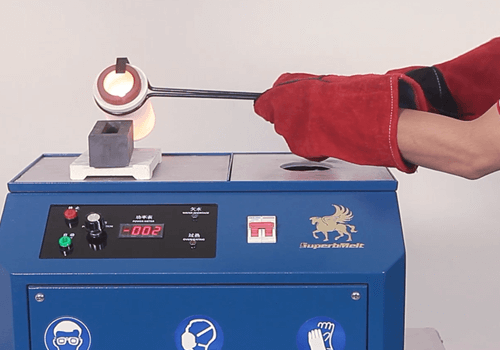
- Crucible Replacement: Different metals have different chemical properties and temperatures, so it is necessary to replace the corresponding crucible. For example, when switching from melting gold (using a graphite crucible) to melting platinum (using a quartz crucible), it is necessary to thoroughly clean the furnace chamber to avoid cross – contamination between crucible materials.
- Parameter Adjustment: For different metals, it is necessary to preset the corresponding melting temperature and heat preservation time. For example, the melting temperature of gold is 1064℃, and the heat preservation time is 5 – 10 minutes; while the melting temperature of platinum is 1768℃, and the heat preservation time needs to be extended to 15 – 20 minutes to ensure complete melting. High – end models have built – in material parameter presets, which can avoid operational errors.







 © Copyright 2008-2026 Superb Electromachinery Co., Limited