





Preface: The Rise of Decentralized Refining
Instead of discussing silver ore mining, let’s get straight to the point: Why are more and more jewelry studios and medium-sized recyclers choosing “in-house refining” today?
Core Logic: Reduce reliance on large-scale refineries, shorten cash flow recovery cycles, and gain 100% control over raw material purity. For small and medium-sized operators, in-house refining is no longer an optional upgrade—it has become a core strategy to improve profit margins and operational flexibility, allowing businesses to capture more value from every batch of silver scrap.
Feedstock Management (Raw Material Preparation & Classification)
1.1, Identifying High-Value Sources
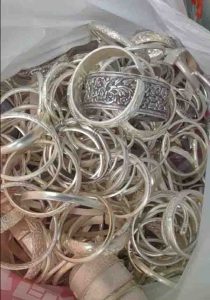
For 5kg-50kg refining equipment, the most ideal raw materials (feedstock) include the following high-value, easy-to-process materials, which maximize efficiency and minimize waste:
- Jewelry Scrap: Including worn silver jewelry, casting sprues, trimmings, and defective pieces from jewelry production—these materials have high initial silver content (usually 80%+) and require minimal preprocessing.
- Electronic Contacts: Silver-plated contacts from switches, connectors, and circuit boards—these are high-purity sources, though they may require light cleaning to remove non-metallic contaminants.
- Recycled Silver from Medical X-Ray Films: Silver is a key component in medical imaging films; recycling this silver not only reduces environmental waste but also provides a steady, low-cost feedstock for small-scale operations.
- High-Purity Silver Solder: Scrap solder from jewelry repair or manufacturing, which typically has a silver content of 60%-95% and can be directly processed without complex separation.
1.2, Preprocessing (Distinct from Industrial Crushing)
Small-scale refining does not require large-scale crushing or grinding equipment; preprocessing focuses on improving reaction efficiency and ensuring accurate purity testing, with two key steps:
Assaying (Sampling & Analysis)
Before feeding raw materials into the small-scale refining machine, it is critical to determine the initial silver purity—this directly affects process parameters and final yield. For 5kg-50kg batches, two practical methods are recommended:
- Touchstone Test: A cost-effective, quick method for preliminary purity testing. Rub the silver scrap against a touchstone, then apply nitric acid; the color change (from pale blue to dark green) indicates the approximate purity, suitable for on-site rapid screening.
- XRF Fluorescence Analyzer: A more precise option (ideal for operators seeking 99.99% final purity). This portable device can non-destructively measure the silver content of raw materials within minutes, providing accurate data to adjust refining parameters.
Shotting (Melting & Granulation)
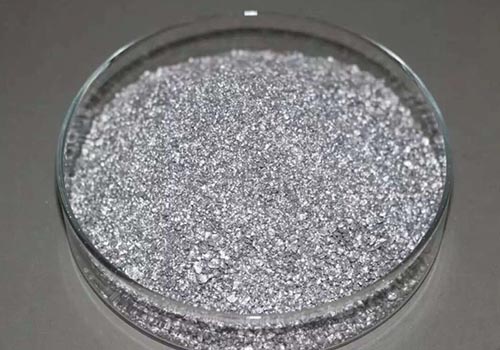
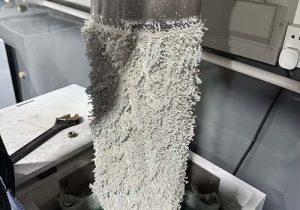
Melting silver scrap into small, uniform particles (silver grain/shot) is a critical preprocessing step for 5kg-50kg refining machines—and the reason is simple: it significantly increases the electrolytic surface area. Larger surface area allows for faster, more uniform reaction with the electrolyte, reducing processing time by 30%-40% compared to processing bulk scrap. To achieve optimal results, melt the silver scrap in a small crucible at 961°C (the melting point of silver), then pour the molten silver through a fine sieve into a container of cold water—this creates small, spherical grains that are easy to load into the electrolytic cell.
Lab Setup & Safety (Small-Scale Refining Laboratory Layout & Safety)
2.1, Space Optimization
A 5kg-50kg refining setup does not require a large industrial space—10-20 square meters is sufficient to accommodate all necessary equipment, with a rational layout that maximizes safety and efficiency. Here’s a step-by-step layout guide:
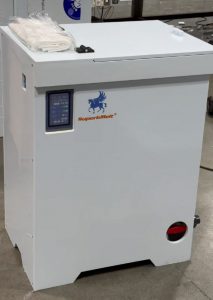
- Work Area Allocation: Dedicate 4-6 square meters to the electrolytic cell and rectifier (the core of the refining process), placing them on a non-conductive, acid-resistant workbench (preferably made of PP or PVC material) to prevent corrosion and electrical hazards.
- Ventilation System: Install an exhaust fan (with a minimum airflow of 100 cubic meters per hour) above the electrolytic cell to direct acid fumes away from the operator. Position the fan at a 45° angle to the cell to ensure maximum fume capture.
- Storage & Auxiliary Area: Allocate 3-4 square meters for storing raw materials, finished silver, and chemicals (e.g., nitric acid, electrolyte). Use sealed, acid-resistant containers for chemicals, and store them in a cool, dry corner away from heat sources and electrical equipment.
- Safety Zone: Reserve 2-3 square meters near the exit as a safety zone, with a first-aid kit (including neutralizing agents for acid burns), eye wash station, and fire extinguisher (Class B, for chemical fires) readily accessible.
2.2, Fume Management (Acid Mist Treatment)
While small-scale refining produces less acid mist than industrial operations, it still poses health risks and may violate urban environmental regulations if not properly managed. Two practical, cost-effective solutions are recommended for small operators:
- Small-Scale Scrubber Tower: A compact, tabletop scrubber tower (with a capacity of 50-100 cubic meters per hour) that uses a sodium hydroxide (NaOH) solution to neutralize acid mist. The mist is drawn into the tower, where it reacts with the solution to form harmless salts, which can be safely disposed of. This option is ideal for operators in urban areas with strict environmental requirements.
- Activated Carbon Filtration System: A simpler, lower-cost alternative for operators with smaller batches (5-10kg). Attach an activated carbon filter to the exhaust fan— the carbon adsorbs acid mist particles, reducing odors and harmful emissions. Replace the filter every 2-3 months (or more frequently for larger batches) to maintain effectiveness.
Regardless of the system chosen, regular maintenance (e.g., cleaning the scrubber solution, replacing carbon filters) is essential to ensure compliance and operator safety.
Precision Process Control (Refining Process Precision Control)
3.1, Electrode Management
Proper electrode management is critical to preventing contamination and ensuring consistent 99.99% purity—especially for small batches, where even minor contamination can ruin the entire batch.
Using Anode Bags
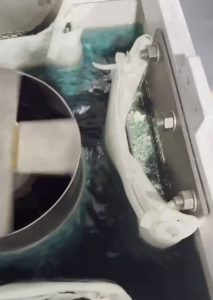
Anode bags are essential for preventing anode slime (impurities such as copper, lead, and nickel that separate from the silver anode during electrolysis) from contaminating the electrolyte. For 5kg-50kg batches, use a high-quality polypropylene anode bag with a 100-150 mesh size—this allows the electrolyte to flow freely while trapping anode slime. To use correctly:
- Place the silver anode (made from preprocessed silver shot) inside the anode bag, ensuring the bag is tightly sealed at the top to prevent slime from escaping.
- Replace the anode bag after every 2-3 batches, or sooner if it becomes clogged with slime—clogged bags reduce electrolyte flow and slow down the refining process.
Cathode Scraping Frequency
In 10kg-level small batches, the growth rate of silver crystals on the cathode is faster than in larger industrial batches—monitoring and adjusting the scraping frequency is key to maintaining purity and efficiency. Here’s how to do it:
- Check the cathode every 4-6 hours during the electrolysis process. Look for uneven crystal growth (e.g., jagged edges or clumps), which can trap impurities.
- Use a plastic scraper (avoid metal scrapers, which can scratch the cathode and introduce contaminants) to gently remove excess silver crystals, keeping the cathode surface smooth and uniform.
- For 5kg batches, scraping once every 6 hours is sufficient; for 50kg batches, increase frequency to once every 4 hours to prevent crystal buildup
3.2, Electrolyte Maintenance (Electrolyte Chemistry)
The electrolyte (usually a nitric acid-silver nitrate solution) is the lifeblood of the refining process—proper maintenance extends its service life, reduces operational costs, and ensures consistent purity for 50kg or smaller production scales. Two key maintenance steps:
- pH and Concentration Monitoring: Test the electrolyte’s pH value (target range: 1.5-2.5) and silver concentration (target range: 60-80 g/L) daily using a portable pH meter and silver concentration test kit. If the pH is too high (above 2.5), add a small amount of nitric acid to lower it; if the silver concentration drops below 60 g/L, add silver nitrate to replenish it.
- Filtering and Purification: Every 5-7 batches, filter the electrolyte through a fine filter (0.22μm) to remove suspended impurities and anode slime. This prevents contamination and extends the electrolyte’s service life by 2-3 times, significantly reducing chemical costs for small operators.
Quality Control & 99.99% Purity Verification
4.1, Silver Powder Washing Process
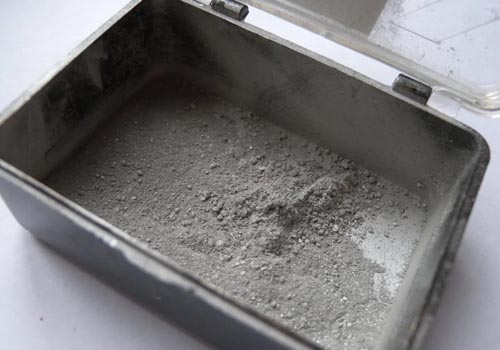
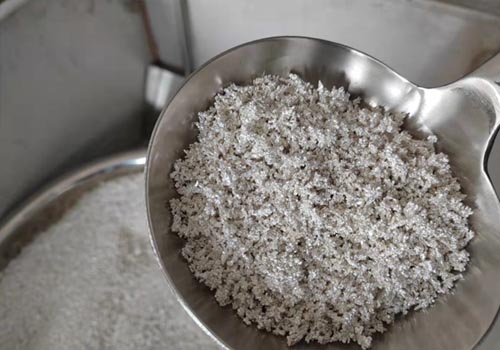
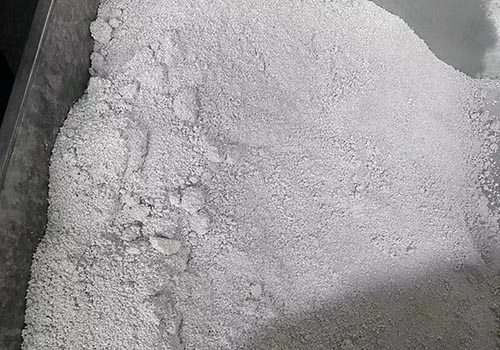
After electrolysis, the silver crystals (silver powder) will contain residual copper, lead, or other metal ions—thorough酸洗 and water washing are essential to remove these impurities and achieve 99.99% purity. Follow this step-by-step process:
- Acid Washing: Transfer the silver powder to a acid-resistant container, add a dilute nitric acid solution (5%-10% concentration), and stir gently for 15-20 minutes. This dissolves residual base metals (e.g., copper, lead) without affecting the silver.
- Rinsing: Drain the nitric acid solution, then rinse the silver powder with deionized water 3-4 times. After each rinse, test the rinse water with a pH meter—stop rinsing when the pH reaches 7 (neutral), indicating all acid and impurities have been removed.
- Drying: Spread the washed silver powder on a clean, dry tray and dry it in an oven at 100-120°C for 2-3 hours. Ensure the powder is completely dry to prevent oxidation during melting.
4.2, Final Ingoting
Once the silver powder is pure (99.99%), the final step is to melt it into investment-grade bullion (international standard gold bars), with careful control of surface gloss to meet market requirements. Here’s how:
- Melting: Place the dried silver powder in a graphite crucible, heat it to 961°C (melting point of silver) using a small induction furnace. Add a small amount of borax (0.5%-1% of the silver weight) to remove any remaining oxides and improve fluidity.
- Casting: Pour the molten silver into a preheated (200-300°C) mold (usually made of graphite or steel) to prevent rapid cooling, which can cause cracks or uneven surfaces. Tilt the mold slightly while pouring to avoid air bubbles.
- Surface Gloss Control: After casting, allow the bullion to cool naturally to room temperature (avoid quenching, which can dull the surface). Once cooled, use a soft polishing cloth to gently buff the surface—this creates a smooth, shiny finish that meets investment-grade standards.
ROI for Small Operators (Investment Return Analysis)
Cost Accounting
The core advantage of in-house refining is cost savings—below is a direct comparison between “outsourced refining + transportation costs” and “in-house refining using a Small Silver Refining Machine” for 5kg-50kg batches (based on average market prices):
- Outsourced Refining: On average, large-scale refineries charge $15-$25 per kilogram of silver scrap, plus transportation costs ($5-$10 per batch, depending on distance). For a 10kg batch, total costs are $200-$350, with a processing time of 7-14 days (delaying cash flow).
- In-House Refining: The initial investment in a 5kg-50kg refining machine is $5,000-$15,000, but operational costs are only $3-$5 per kilogram (including chemicals, electricity, and labor). For a 10kg batch, total operational costs are $30-$50—saving $170-$300 per batch. The investment is typically recouped within 6-12 months for operators processing 2-3 batches per month.
Flexibility Advantage
For small operators (e.g., jewelry studios, medium-sized recyclers), the flexibility of 5kg-50kg refining machines is a game-changer—especially when handling customized orders. Unlike large refineries, which require minimum batch sizes (often 100kg+) and have long lead times, small-scale equipment allows operators to:
- Process small, customized batches (5kg-50kg) on demand, responding to customer requests within 1-2 days.
- Adjust refining parameters quickly for different raw material types (e.g., jewelry scrap vs. electronic contacts), ensuring optimal yield and purity for each batch.
- Avoid tying up cash in large raw material inventories—process scrap as it is collected, improving cash flow turnover.
Conclusion
Small-scale silver refining equipment is more than just a tool—it is a core asset for jewelry studios and recyclers looking to improve profit margins, gain control over their supply chain, and build brand trust. By reducing reliance on large refineries, shortening cash flow cycles, and ensuring 99.99% purity, in-house refining transforms a cost center into a revenue-generating opportunity.
For small operators, the key to success is not just investing in equipment, but mastering the practical skills outlined in this guide—from feedstock management and lab safety to precision process control and quality verification. With the right knowledge and tools, small-scale silver refining can become a sustainable, profitable part of your business, setting you apart from competitors and unlocking new growth opportunities.
 © Copyright 2008-2026 Superb Electromachinery Co., Limited