Jewelry Electroforming

High-Efficiency Electroforming Solutions for Large-Scale 14K & 18K Jewelry Manufacturing

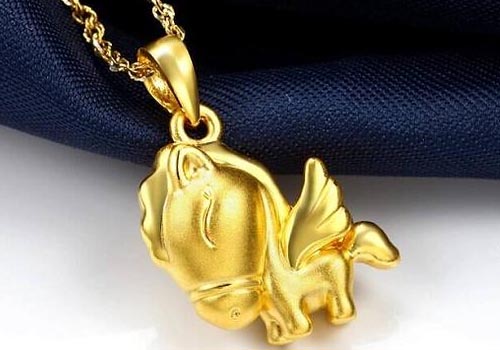
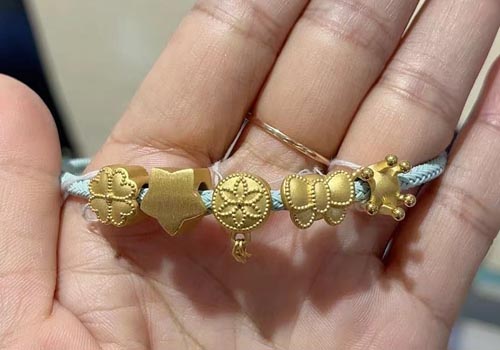
Jewelry electroforming has become a highly efficient manufacturing solution for producing large volumes of 14K and 18K gold jewelry with consistent quality and precise color control. Unlike pure gold electroforming, which focuses on ultra-high purity and asset value, K gold electroforming is designed for scalable production, enabling manufacturers to create complex and lightweight designs while maintaining strict control over K-value and color consistency across batches.

By optimizing current density and bath composition, this process ensures stable alloy ratios and uniform color tones, which are critical for commercial jewelry lines. At the same time, advanced electroforming techniques help address common challenges such as brittleness and insufficient hardness, delivering products that achieve the ideal balance between durability and lightweight structure.

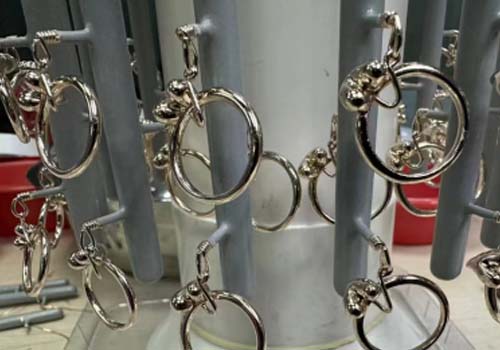
As a result, jewelry electroforming is widely used in the production of rings, earrings, and fashion jewelry, where design flexibility, production efficiency, and repeatable quality are essential for meeting market demand.If you would like to learn more about jewelry electroforming, please contact me for a solution.
Electroforming Jewelry Process

The electroforming jewelry process consists of two critical stages: gold solution preparation and electroforming production. Each step is precisely controlled to ensure stable composition, consistent color, and reliable structural performance. From preparing a balanced electroforming solution to building up metal layers through controlled deposition, this process enables manufacturers to achieve high efficiency, repeatable quality, and excellent surface finish in large-scale jewelry production.

Process 1: Gold Solution Preparation

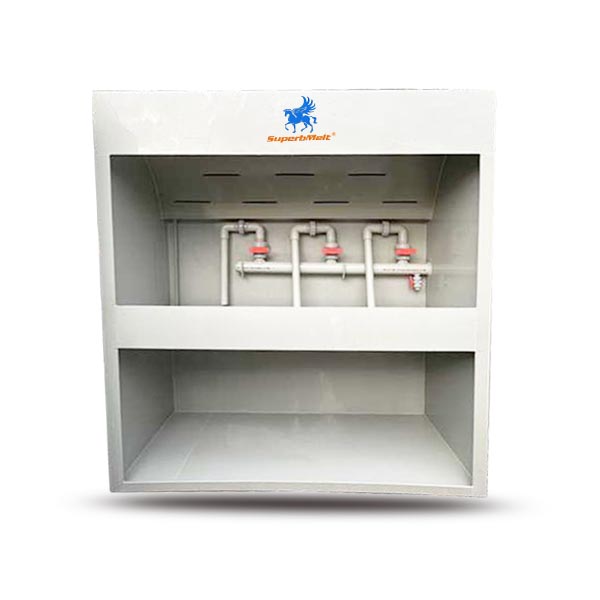
1stAcid Cabinet

The acid recovery system ensures safe gold dissolution, captures harmful fumes, and< minimizes precious metal loss during the aqua regia process.
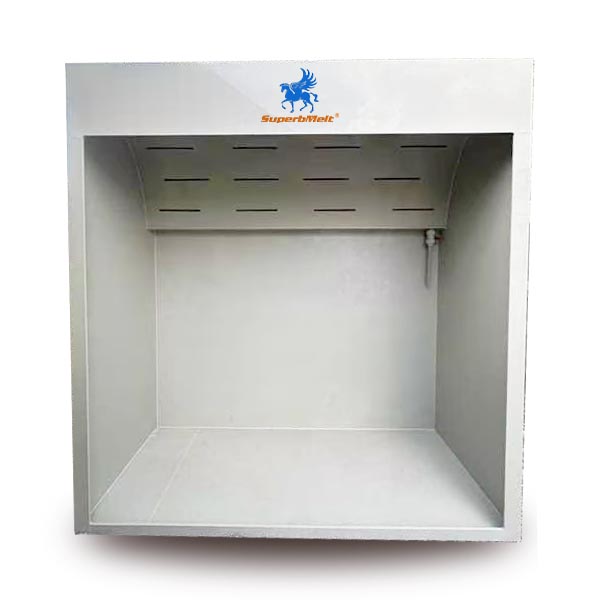
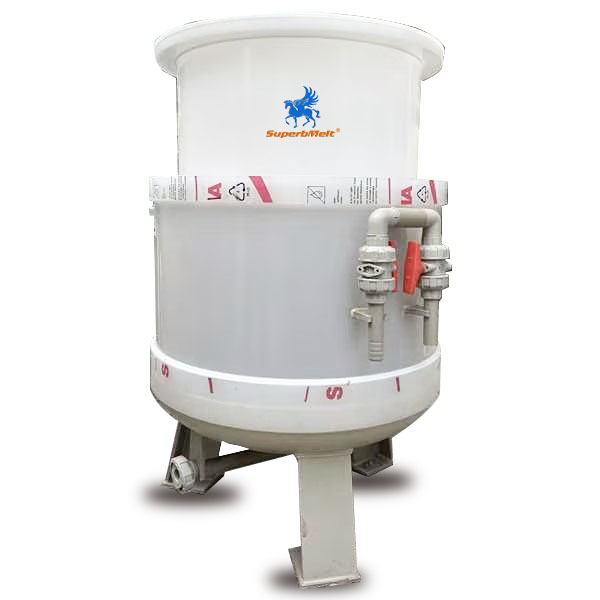
2st Alkali Cabinet

The alkaline recovery system ensures efficient gold reduction, captures harmful ammonia fumes, and maximizes gold recovery during the precipitation process.
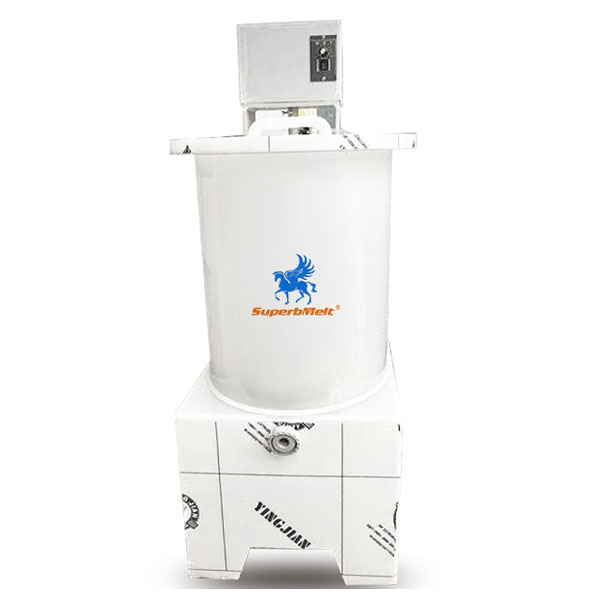
3st Gold Powder bucket

Gold powder washing ensures the removal of chemical residues and impurities, providing a clean and stable raw material for subsequent electroforming processes.
4st Complexation Tank

The complexation process converts the purified gold slime into a stable electroforming solution, thereby ensuring the stability of ionic activity.

Aqua Regia Dissolves Gold

Reduction of Sponge Gold with Aqueous Ammonia

Wash and filter sponge gold.

Preparation of Complexing Agents

Add sponge gold to the complexing agent.

Gold and Water Production Complete

Process 2: Electroformed Jewelry

1st Making Mold

3d printing machine is used for making molds, which can directly print the design drawings.[Learn More>>]

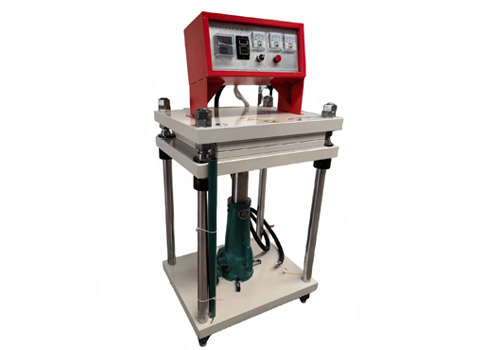
3rd Molding Machine: Molding Die

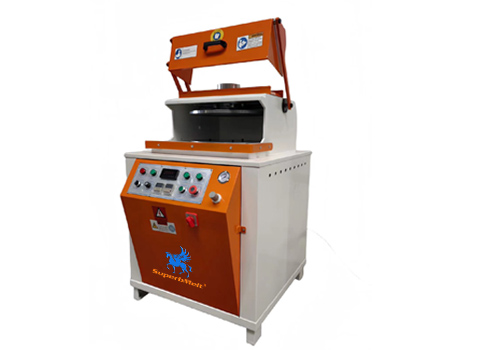
The molding press enables high-efficiency replication of jewelry cores by pressing molten alloy into silicone molds, ensuring consistent shapes, scalable production, and cost-effective manufacturing.

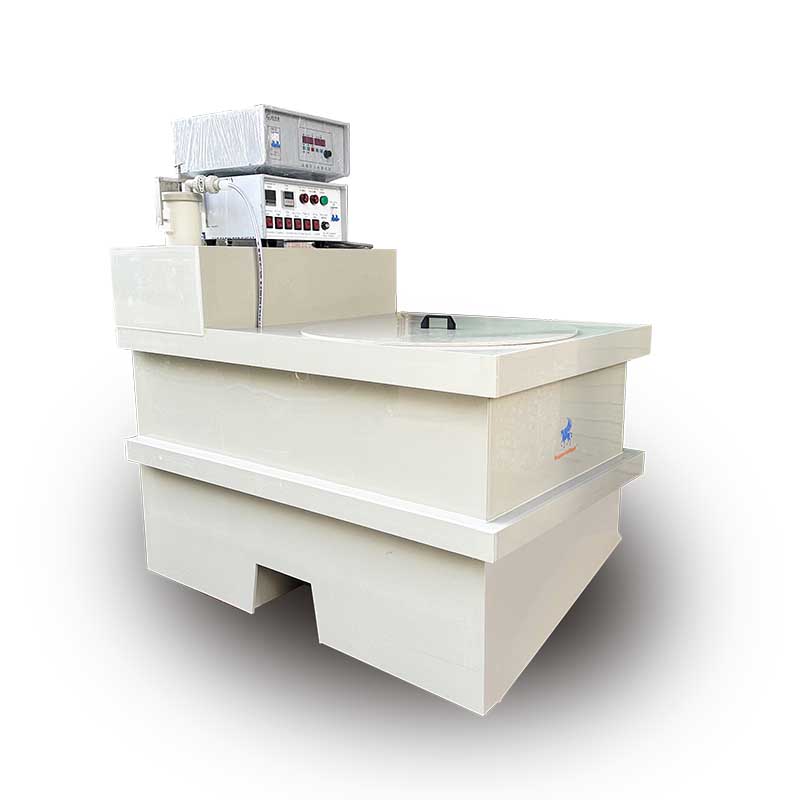
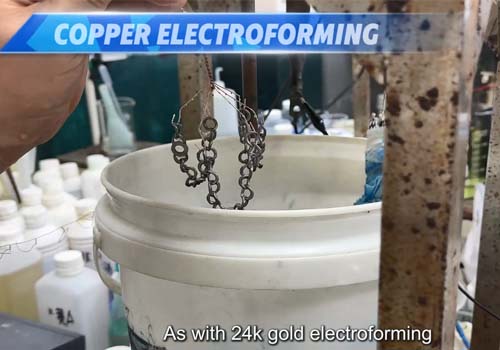
5th Bright Copper Plating Tank

To smooth the surface of the tin-bismuth alloy, the resulting finish will be slightly smoother than that of a wax mold coated with silver oil. Typically, approximately 500 pieces can be processed in about one hour.

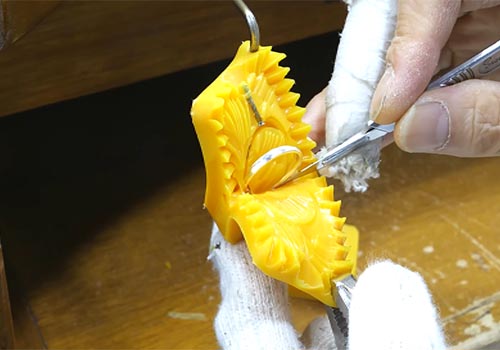
Glue Mold

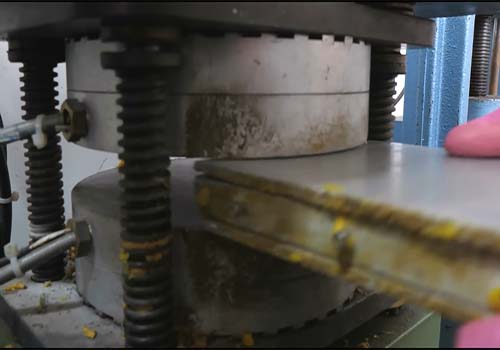
Stamping Die

Gate Cutting

Bright Copper Plating Solution

Making Gold Solution

Finished K-Gold Liquid Product

2nd Melting Tin-Bismuth Alloy

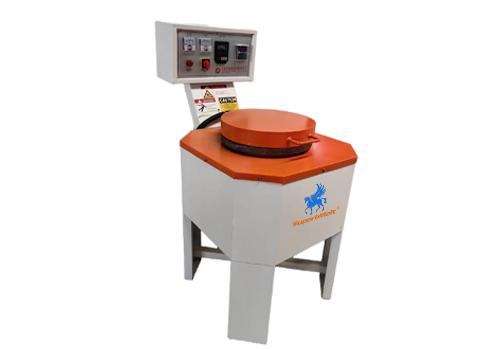
The melting furnace produces a low-melting alloy core that serves as a temporary structural base for electroforming, enabling precise shaping, high production efficiency, and the creation of lightweight hollow jewelry.

4th Tin-Bismuth Alloy Centrifuge

The centrifugal casting machine forces molten alloy into molds using high-speed rotation, ensuring complete filling, reduced porosity, and high-precision replication of complex jewelry structures.

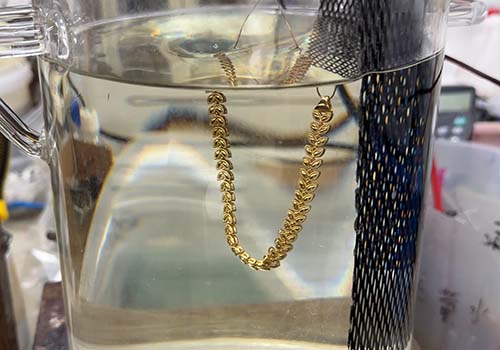
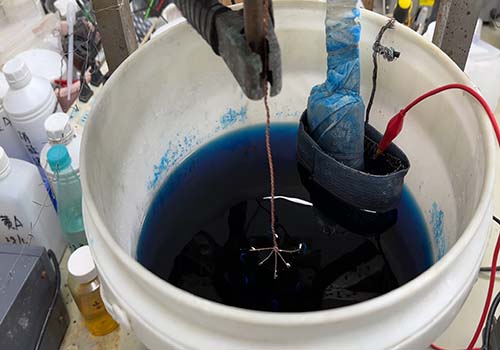
6th Cyanide-Free 14K/18K Electroforming Gold Bath
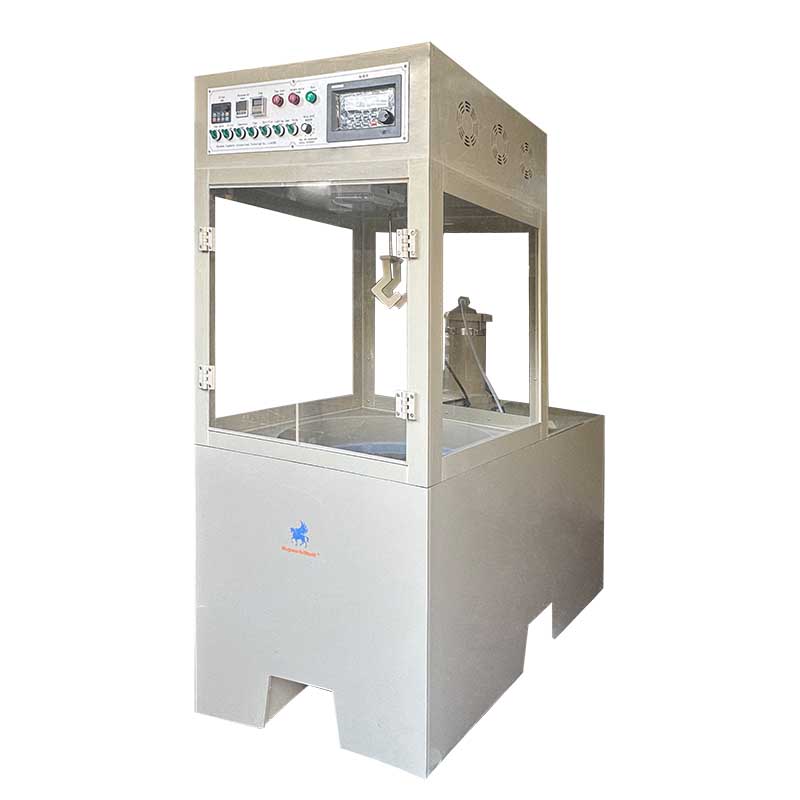
The Cyanide-Free 14K/18K Gold Electroforming Bath achieves control over the K-value (fineness) by adjusting the current intensity; typically, the 18K gold fineness fluctuates within the range of 74–76. After annealing, the K-value becomes uniform; however, during the electroforming process itself, it is necessary to independently measure the purity every hour.

1st Making Wax Mold

3d printing machine is used for making wax molds, which can directly print the design drawings.[Learn More>>]

2nd Glue Mold

The master mold is made for subsequent production of adhesive film.

3rd Melting Tin-Bismuth Alloy

The melting furnace produces a low-melting alloy core that serves as a temporary structural base for electroforming, enabling precise shaping, high production efficiency, and the creation of lightweight hollow jewelry.

4th Molding Machine: Molding Die

The molding press enables high-efficiency replication of jewelry cores by pressing molten alloy into silicone molds, ensuring consistent shapes, scalable production, and cost-effective manufacturing.

5th Tin-Bismuth Alloy Centrifuge

The centrifugal casting machine forces molten alloy into molds using high-speed rotation, ensuring complete filling, reduced porosity, and high-precision replication of complex jewelry structures.

6th Bright Copper Plating Tank

To smooth the surface of the tin-bismuth alloy, the resulting finish will be slightly smoother than that of a wax mold coated with silver oil. Typically, approximately 500 pieces can be processed in about one hour.

7th Cyanide-Free 14K/18K Electroforming Gold Bath
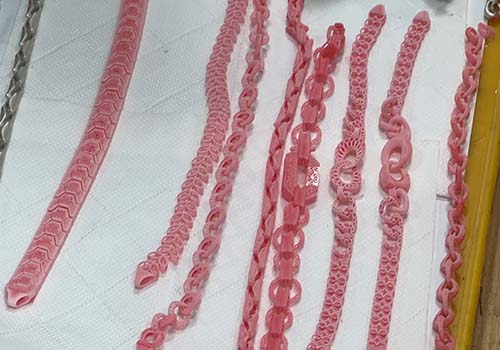
Use an electric drill to bore holes in the recessed areas of the electroformed jewelry; this allows for the removal of the internal wax and bismuth-tin alloy, rendering the 24K jewelry hollow.

8th Plate another layer of copper

To protect the surface of the karat gold from scratching during the drilling process, and to prevent the outflowing tin-bismuth alloy from corroding the gold surface.

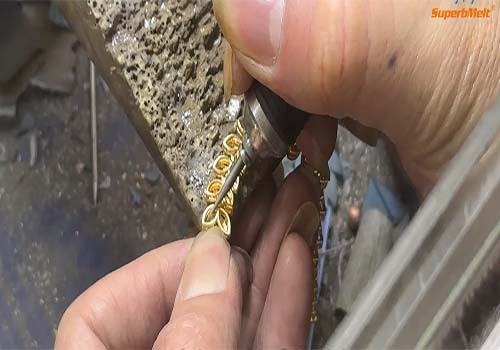
9th Drilling

Use an electric drill to bore holes in the recessed areas of the electroformed jewelry; this allows for the removal of the internal wax and bismuth-tin alloy, rendering the 24K jewelry hollow.

10th Dealloying Machine

The tin-bismuth alloy is melted at high temperature and then caused to flow out through vibration.

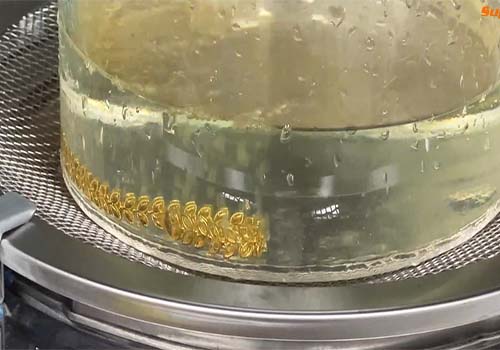
11st Tin-Bismuth Alloy

remove the jewelry and place it in a separate container; add nitric acid once again and apply heat to dissolve and extract the tin-bismuth alloy contained within the jewelry.

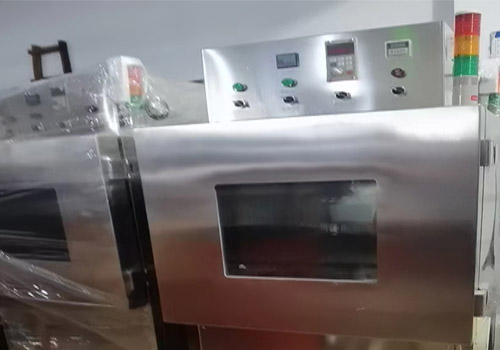
12st Annealing

Annealing homogenizes its K-value and enhances the toughness of the finished product.

1st Polishing

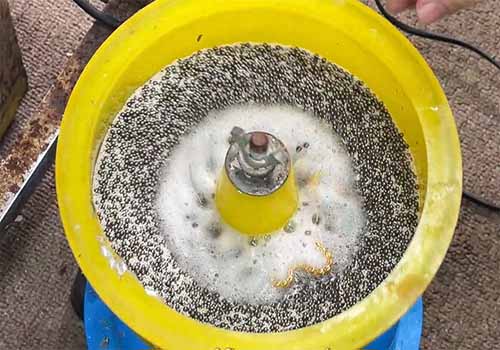
Finally, it is placed in a barrel polisher for surface treatment to achieve a mirror-like finish.

7st Plate another layer of copper

To protect the surface of the karat gold from scratching during the drilling process, and to prevent the outflowing tin-bismuth alloy from corroding the gold surface.

8st Drilling

Use an electric drill to bore holes in the recessed areas of the electroformed jewelry; this allows for the removal of the internal wax and bismuth-tin alloy, rendering the 24K jewelry hollow.

9st Dealloying Machine

The tin-bismuth alloy is melted at high temperature and then caused to flow out through vibration.

10st Tin-Bismuth Alloy

remove the jewelry and place it in a separate container; add nitric acid once again and apply heat to dissolve and extract the tin-bismuth alloy contained within the jewelry.

11st Annealing

Annealing homogenizes its K-value and enhances the toughness of the finished product.

12st Polishing

Finally, it is placed in a barrel polisher for surface treatment to achieve a mirror-like finish.

K gold electroforming (14K / 18K) is a highly controlled jewelry manufacturing process designed for consistent color (K-value), high production efficiency, and reliable structural quality. The process is divided into two main stages: gold solution preparation and electroforming production.

 1. Gold Solution Preparation

This stage ensures that the electroforming solution is stable, pure, and able to produce consistent K-values.

  • Gold Dissolving (Aqua Regia / Acid Recovery System): Gold is safely dissolved into a liquid form. The controlled system reduces gold loss and ensures environmental compliance.
  • Ammonia Reduction (Alkaline Recovery System): Gold ions are converted into solid gold mud for further processing. This step stabilizes the chemical properties for electroforming.
  • Washing & Filtration: The gold mud is cleaned in filtration tanks to remove residual acid and impurities, ensuring high purity.
  • Complexing (Complexing Tank): Gold mud is mixed with cyanide-free complexing agents and brighteners to form a stable K gold solution, ready for controlled electroforming.
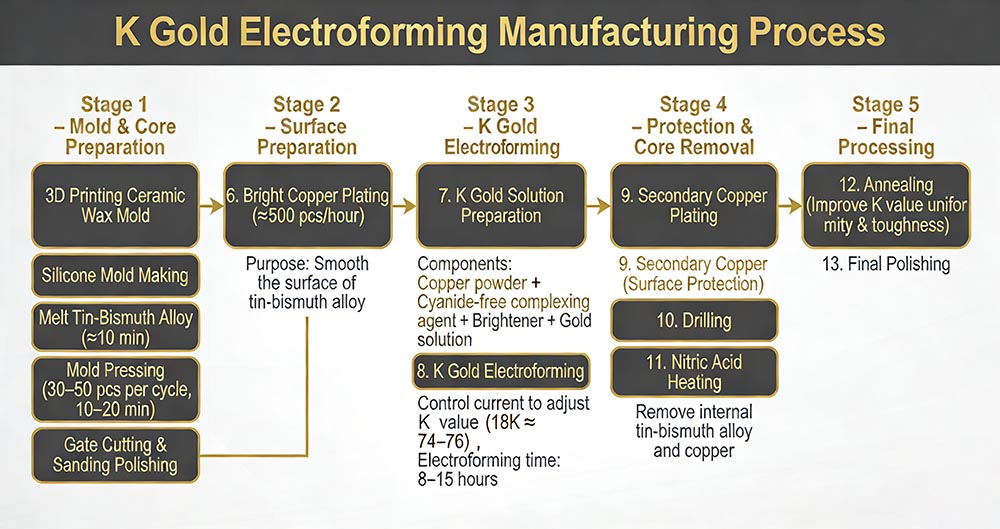
 2. Electroforming Production

This stage builds the jewelry pieces, combining precision, repeatability, and structural strength.

  • 3D Wax Model & Silicone Mold Making: High-precision wax models are 3D printed, and silicone molds are prepared for batch replication.
  • Tin-Bismuth Alloy Melting: Alloy is melted (~10 minutes) to form cores for casting.
  • Molding & Centrifugal Casting: Molten alloy is pressed and spun into molds using a centrifugal casting machine, ensuring complete filling of intricate designs. Each cycle can produce 30–50 pieces.
  • Gate Cutting & Pre-Polishing: Excess material is trimmed and surfaces smoothed for optimal plating.
  • Bright Copper Plating: A copper layer with brighteners (A, B, C) is applied to smooth the alloy surface and improve conductivity for electroforming.
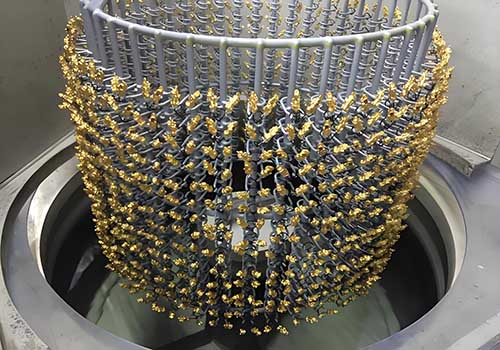
  • K Gold Electroforming: The jewelry is plated in K gold solution. Current and plating time are controlled to achieve the desired K-value (e.g., 18K) and thickness. Regular sampling ensures color and weight consistency.
  • Secondary Copper Plating & Drilling: An additional copper layer protects surfaces, and small holes are drilled for later core removal.
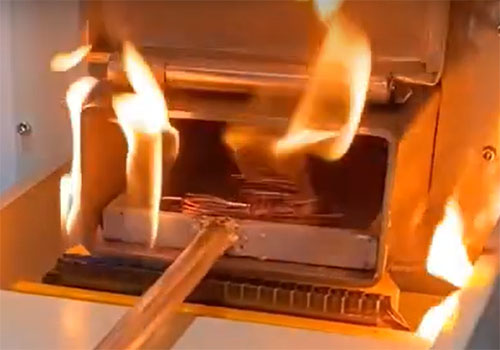
  • Core Removal (De-Alloying Machine): The internal tin-bismuth alloy is melted (~138°C) and removed via vibration.
  • Nitric Acid Cleaning: Residual alloy and copper are dissolved, leaving a hollow, precise K gold structure.
  • Annealing & Final Polishing: Heat treatment stabilizes the K-value and improves hardness, while polishing ensures a bright, smooth finish.

2 years warranty

The warranty for our machine is one year longer than the warranty provided by other factories.

Strong service team

We will give response within 24 hours against your problem by our professional engineer.
Facebook
Reddit
LinkedIn
WhatsApp

1. Can karat gold be used for wax-model electroforming, just like pure gold?

No, that is not possible. If electroforming is to be performed using a wax medium, a wax mold with a very high wax content is required. When electroforming K-gold, the temperature of the plating bath must be maintained at 70°C; if a standard wax mold were used under these conditions, the wax would melt very easily. However, pure gold electroforming requires a temperature of only 38–40°C. If a client insists on using a wax mold, a resin-wax mold can be utilized; however, this necessitates a subsequent process involving concentrated sulfuric acid to dissolve away the alloy and the resin-wax. Furthermore, such molds are prone to expansion. This entire process carries a significant risk of product defects; therefore, we do not recommend that clients use resin-wax molds for K-gold electroforming.

2. How to Control the Weight of Electroformed Jewelry

Weigh the item before electroforming begins. During the electroforming process, the final weight of the product is controlled by regulating the current intensity and the duration of the plating; consequently, it is necessary to periodically remove the item to weigh it manually.

3. How to Control the K-Value

Control is achieved by adjusting the current magnitude. During the electroforming process, you must periodically remove the workpiece yourself to test its purity; once it approaches the target purity level, you can reduce the current and continue electroforming for a short while longer.

4. Is the purity of the finished product uniform?

The final step is annealing, which ensures uniform surface purity in the finished product.

5. What is the loss rate in electroforming?

The recovery rate is approximately 1–3%, depending on the specific operational techniques employed. Gold residues accumulate in various areas—such as the gold-melting apparatus, floor mats, the piping used for boiling the gold solution, and the negative-pressure extraction system—and a portion of this can be recovered. Additionally, the electroforming tank is equipped with a recovery chamber; the vapors generated during the electroforming process pass through this chamber, which contains absorbent surfaces or activated carbon capable of capturing and recovering a portion of the gold.

6. Can electroforming equipment also produce 21K and 22K products?

Yes, that is possible; however, since the mixing ratios for plating solutions with different K-values ​​vary, it is recommended to use a separate electroforming tank for each specific K-value.

7. Can 24K gold be used for tin-bismuth alloy electroforming?

Yes, it is possible; using a tin-bismuth alloy would result in a smoother finish. The difference compared to using wax is that it is not suitable for creating overly complex or intricate designs. This is because, prior to the 24K gold electroforming process, a conductive silver paste must be applied; consequently, the surface remains somewhat rough after the silver paste has been applied.

8. Can tin-bismuth alloys be cast using a casting machine?

No, that is not possible. Tin-bismuth alloy is a low-melting-point metal; if you attempt to cast it using standard gravity pouring, the casting blank is prone to shrinkage and collapse. It can only be produced using centrifugal casting.

9. What is the gold concentration in the electroforming solution?

The gold concentration in the electroforming solution needs to be maintained at 10–15 grams per liter. For instance, in a 150-liter tank: 13 g/L × 150 L = 1,950 grams. When preparing the concentrated gold stock solution, it should be formulated to a concentration of 40 g/L; this allows the concentration of the solution within the electroforming tank itself to be consistently maintained within the 10–15 g/L range.

10. What is an electroform ring?

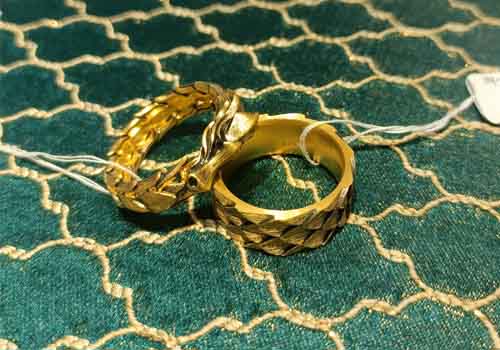
An electroform ring is a type of jewelry created using electroforming technology, a process that builds up metal layer by layer onto a conductive mold (often a wax or 3D-printed model) through electrochemical deposition.

Unlike traditional casting, where molten metal is poured into a mold, electroforming allows the ring to be made hollow or lightweight while maintaining precise shape, high detail, and excellent surface finish.

Key Features of an Electroform Ring:

  • Lightweight yet durable – the ring can be hollow but still strong due to controlled metal thickness.
  • High precision detail – intricate patterns or textures are preserved from the original mold.
  • Customizable metal composition – can be made in gold, silver, or K gold alloys.
  • Cost-effective for larger designs – uses less metal than solid casting.

In short, an electroform ring combines precision, durability, and lightweight design, making it ideal for modern jewelry that emphasizes both aesthetics and wearability.

11. What is 14k gold electroform?

14K gold electroforming refers to the creation of jewelry or metal objects using electroforming technology, wherein the primary metal deposited is 14K gold.

The process involves the following steps:

  • First, a ceramic or wax mold is created,
  • and a conductive layer is applied to its surface.
  • Subsequently, the mold is immersed in an electroforming bath containing a 14K gold solution.
  • Through electrochemical deposition, gold ions accumulate layer by layer onto the surface of the mold, gradually forming a solid outer shell of gold.
  • Once the desired thickness is achieved, the mold is removed (if a wax mold was used, it is eliminated by melting or dissolving), ultimately leaving behind a hollow or lightweight 14K gold structure.
  • Key Features of 14K Gold Electroforming:
  • Precision and Rich Detail—Capable of perfectly replicating the intricate patterns and fine details present on the original mold.
  • Hollow yet Durable—Features a lightweight design while ensuring product durability through precise thickness control.
  • Uniform Coloration—The entire piece exhibits a consistent 14K gold hue (typically containing 58.5% pure gold).
  • High Production Efficiency—Compared to solid casting methods, this technique requires less metal material, making it highly suitable for the mass production of jewelry.

In essence, the 14K gold electroforming process enables manufacturers to create gold jewelry that is affordable, lightweight, and exquisitely detailed, while fully preserving the distinctive aesthetic appeal and intrinsic value inherent to 14K gold.

12. How does electroforming work?

Electroforming is a metal fabrication process that builds metal layer by layer on a conductive surface using an electrochemical deposition method. It’s like “growing” a metal object rather than casting it.

Here’s how it works step by step:

  1. Create a model or mold – Usually a wax, resin, or 3D-printed model. This is the shape of the final piece.
  2. Make it conductive – Since metals can only deposit on conductive surfaces, the model is coated with a thin layer of conductive material (like silver paint).
  3. Submerge in an electroforming bath – The bath contains a metal solution (gold, silver, copper, etc.) and acts as the source of metal ions.
  4. Apply electrical current – The model is connected to the cathode, and a metal anode is placed in the solution. When current flows, metal ions in the solution deposit onto the model’s surface.
  5. Layer buildup – Over time, a solid metal layer grows, and the thickness can be controlled by adjusting current and deposition time.
  6. Remove the mold – If the mold is wax or resin, it is melted or dissolved, leaving a hollow metal piece.

Key Advantages of Electroforming:

  • Precision – Preserves fine details from the original model.
  • Lightweight – Can create hollow structures without losing strength.
  • Material efficiency – Uses less metal than solid casting.
  • Design freedom – Complex shapes are easier to achieve than with traditional casting.

In essence, electroforming allows manufacturers to create highly detailed, lightweight, and durable metal objects with controlled thickness and finish.

13. Is electroform jewelry hollow?

Electroformed jewelry features a hollow structure; its production principle involves depositing metal onto a mold and subsequently removing the internal core, thereby creating a structure that is both lightweight and durable.

14. Does electroform jewelry last?

Electroform jewelry is durable and suitable for long-term wear, while lost wax casting produces solid structures that offer higher resistance to impact and deformation.

Apply Our Best Quotation


    Scroll to Top