
Jewellery Liquid Polish Machine
SuperbMelt is a top-tier manufacturer of jewelry equipment in China.
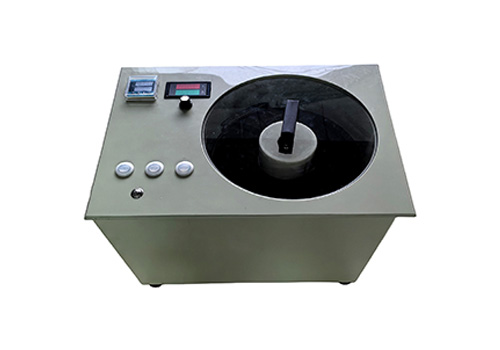
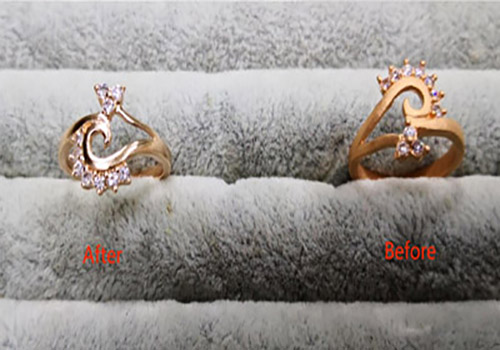
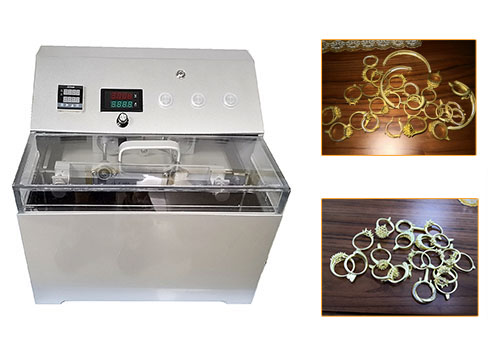
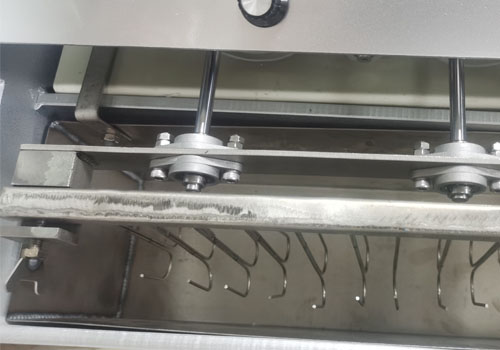
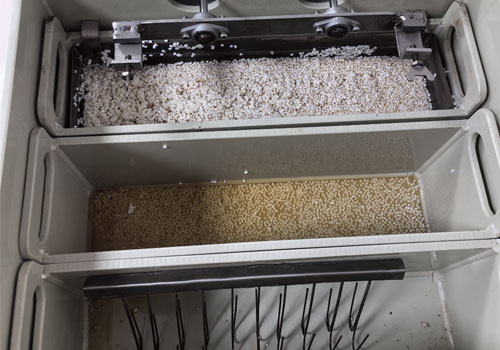
The SuperbMelt Jewellery Liquid Polish Machine can polish three different types of metal jewelry (K gold, silver, and copper), with a maximum capacity of 20 pieces for each type of metal. This significantly improves the jewelry processing speed, meeting your production demands.
This machine is commonly used in jewelry manufacturing, repair shops, and retail stores to enhance the appearance of rings, bracelets, necklaces, earrings, and other types of jewelry, making them look clean, bright, and rejuvenated.
The 3-in-1 polishing machine features three electrolytic tanks, allowing the use of three different electrolytic solutions at the same time. Each batch can polish up to 20 pieces, including rings, necklaces, bracelets, and other jewelry made from gold, silver, copper, K gold, and other metals. Compared to traditional mechanical polishing, this equipment offers significant advantages such as no blind spots in polishing, high batch yield, and lower polishing costs.
If you need more information about jewelry processing or polishing, please contact SuperbMelt, and we will tailor a solution for you!
| Model number | SPB-GRF3-1 (three-in-one) |
| Power source | AC 220V/DC 0-15V |
| Power | 1kw Max 50A |
| Machine hook | 20*3pcs |
| Sheet Thickness | 5-0.2cm |
| Batch production capacity | Silver: 5.2kg Copper:5.2kg K gold:4kg |
| Electrolyte capacity | 4L |
| Metal electrolyte ratio | Copper: 1.3L electrolyte/2.6L water Silver: 1.3L electrolyte/ 2.6L water K gold: 4L electrolyte / no water |
| Dimension | 420mm*310mm*36mm 18kg |
| Weight | 1.5kg |
| Applicable metal | copper , silver, K gold, (No pure gold, platinum) |
- Jewelry Manufacturing: This machine’s main application is in the polishing of gold, silver, copper, and K-gold jewelry. It is perfect for creating finely polished, retail-ready products of superior quality.
- Manufacturing of Dental and Medical equipment: When it comes to making dental and medical equipment, accuracy is essential. These tools can be checked for flaws that could harbor bacteria or result in harm using the polishing machine.
- Watchmaking: Each component’s aesthetic polish is crucial in the watch industry. With this equipment, you may get a high-end quality while polishing watch casings and other metallic components.
- Automobile and Aerospace Components: The machine can be utilized, albeit on a smaller scale, to polish precision parts in the automobile and aerospace sectors, where faultless surfaces are essential for both functionality and appearance.
- Art & Sculpture: The accurate polishing capabilities of this machine are especially beneficial to artists and sculptors who work with metal, since it enables them to obtain the necessary finish on small metal sculptures and installations.
- Experts in the field of antique restoration may preserve and improve the appearance of small metal objects without causing harm to the original material by using this machine to gently polish and repair them.
- Precision engineering and electronics: This machine can also assist sectors that need highly polished metal parts for machinery and electronics, enhancing the performance and dependability of these parts.
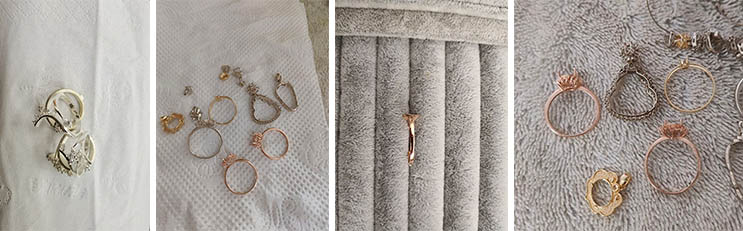
- Multi-Metal Capability: It is adaptable for working with gold, silver, copper, and K-gold jewelry since it has the ability to polish three distinct metals at once. This simplifies the polishing procedure and eliminates the need for several machines.
- High Capacity: The device has the capacity to process up to 20 pieces of each type of metal at once, greatly increasing productivity and enabling large-scale batch processing that is perfect for raising production rates.
- Efficiency: By guaranteeing that every piece of jewelry achieves the appropriate degree of smoothness and shine at the same time without creating dead angles, it improves the overall quality of the final items.
- Cost-Effective: It is a cost-effective solution for jewelry polishing because of its high throughput and excellent polishing capability, which lower labor expenses and consumable usage.
- tiny form: The machine’s tiny form makes it ideal for small workshops or businesses with limited space, even with its great capacity and versatility.
- Simple Controls and Mechanisms Make It Easy to Operate: The machine’s user-friendliness minimizes the amount of time and expertise needed for professional results in training.
- Durability: This machine delivers long-term durability and performance, minimizing maintenance expenses. It is made of high-quality components and is built to endure the demands of jewelry polishing.
Why SuperbMelt Jewellery Liquid Polish Machine


Any Question About SuperbMelt Jewellery Liquid Polish Machine
Efficient Electrolytic Polishing for Modern Jewelry Processing Guide
In modern jewelry manufacturing, the final polishing process directly determines the product’s visual appeal, texture, and market competitiveness. Fine and complex jewelry pieces (such as hollow chains, inlaid rings, and delicate earrings) often face polishing challenges with traditional methods—blind spots that are hard to reach, uneven brightness, high material loss, and low batch processing efficiency. These pain points not only increase production costs but also affect the consistency of finished products, becoming a bottleneck for jewelry manufacturers to improve quality and expand production.
SuperbMelt Jewellery Liquid Polish Machine, based on advanced electrolytic polishing technology, provides a professional solution to these industry challenges. As a 3-in-1 multi-functional polishing equipment, it can simultaneously polish three types of precious metals (K gold, silver, copper, etc.), with a maximum capacity of 20 pieces per metal type per batch. It efficiently solves the problems of blind spots, low efficiency, and high loss in traditional polishing, and is widely used in jewelry manufacturing, repair shops, retail stores, and even cross-industry fields such as dental equipment and watchmaking. This comprehensive guide will take you through every key link of jewelry liquid polishing—from the basic principle of the equipment and the difference from traditional polishing to material adaptation, application scenarios, and selection criteria—helping you master efficient and high-quality polishing solutions and enhance the core competitiveness of your products.
What Is a Jewellery Liquid Polish Machine?
Jewellery liquid polish machine, also known as electrolytic polishing machine, is a revolutionary polishing equipment that uses electrolytic chemical reactions to achieve surface brightening and smoothing of metal jewelry. Compared with traditional mechanical polishing, it has subversive advantages in polishing effect, efficiency, and applicability, especially suitable for the polishing needs of fine and complex jewelry.
1.1, Electrolytic Polishing vs. Mechanical Polishing
The core difference between electrolytic polishing (liquid polishing) and traditional mechanical polishing lies in the polishing principle and implementation method, which leads to significant differences in effect and efficiency:
Comparison Dimension | Electrolytic Polishing (SuperbMelt Liquid Polish Machine) | Mechanical Polishing |
Polishing Principle | Uses electrolytic reaction to dissolve the uneven protrusions on the metal surface, making the surface smooth and bright (non-abrasive polishing) | Uses abrasive materials (such as sandpaper, polishing paste) to physically grind the metal surface to achieve smoothness |
Polishing Blind Spots | No blind spots—electrolyte can fully cover complex structures such as hollow chains, inlaid claws, and internal holes, achieving uniform polishing | Large number of blind spots—difficult to reach the inner side of hollow structures, gaps between chain links, and small inlaid claws, leading to uneven brightness |
Material Loss | Low loss—only dissolves the micro-protrusions on the surface, material loss rate ≤ 0.1%, effectively saving precious metals | High loss—physical grinding removes a certain thickness of metal, loss rate 1-3%, increasing raw material costs for precious metals |
Batch Processing Capacity | High efficiency—supports batch processing (SuperbMelt machine can process 20 pieces per metal type at a time), consistent effect between batches | Low efficiency—mostly manual or semi-automatic operation, limited by the skill of operators, large differences between batches |
Applicability to Complex Jewelry | Strong—especially suitable for hollow, inlaid, and finely structured jewelry (such as filigree work, hollow beads) | Weak—easy to damage delicate structures (such as bending inlaid claws, deforming hollow chains) during grinding |
1.2, How Liquid Polishing Works on Precious Metals
The working principle of SuperbMelt Jewellery Liquid Polish Machine is based on the “electrolytic dissolution” effect, which achieves precise polishing of precious metals through a scientific combination of electrical energy and chemical agents. The specific process is as follows:
- Pre-treatment of Jewelry: Before polishing, the jewelry to be processed is cleaned to remove surface oil, dust, and oxide layers (usually using ultrasonic cleaning). This ensures that the electrolytic reaction can proceed evenly and avoids uneven polishing caused by surface contaminants.
- Electrolyte Configuration: According to the type of metal (K gold, silver, copper), different professional electrolytes are configured in the three electrolytic tanks of the SuperbMelt machine. The electrolyte is a specially formulated non-toxic and environmentally friendly solution that can target the dissolution of specific metals without damaging the metal structure.
- Electrolytic Reaction Process: The cleaned jewelry is hung on the cathode of the machine and immersed in the corresponding electrolyte tank. When the machine is started, a stable DC electric field is formed between the cathode (jewelry) and the anode (tank inner wall). Under the action of the electric field, the micro-protrusions on the jewelry surface are preferentially dissolved into the electrolyte, while the concave parts are not easily dissolved. Over time, the jewelry surface becomes smooth and flat.
- Post-treatment: After the electrolytic reaction is completed, the jewelry is taken out, rinsed with clean water to remove residual electrolyte, and then dried. The entire process takes only a few minutes, and the jewelry surface can achieve a mirror-like bright effect without additional grinding.
Key advantage: The electrolytic polishing process is controlled by the machine’s intelligent system, with adjustable current and time parameters. It can accurately control the polishing degree according to the material and surface requirements of the jewelry, ensuring consistent effect of each batch of products.
1.3, Why It Is Ideal for Fine & Complex Jewelry
Fine and complex jewelry (such as hollow chains, inlaid rings, delicate earrings, and filigree works) has high requirements for polishing—both to ensure bright and smooth surface and to avoid damaging the fragile structure. SuperbMelt Jewellery Liquid Polish Machine is particularly suitable for such products due to its unique advantages:
- No Damage to Delicate Structures: Unlike mechanical polishing which relies on physical grinding, electrolytic polishing uses chemical dissolution without applying external force to the jewelry. It can polish the gaps of inlaid claws, the inner walls of hollow beads, and the links of fine chains without causing deformation or damage to these delicate structures.
- Uniform Polishing Without Dead Angles: The electrolyte can flow freely in all parts of the jewelry, including the smallest gaps and internal holes. Under the action of the electric field, every part of the jewelry surface undergoes the same electrolytic reaction, achieving uniform brightness. This solves the problem that mechanical polishing cannot reach blind spots, which often leads to “bright in some places and dark in others.”
- Gentle Polishing to Protect Precious Metals: The low material loss rate (≤0.1%) of electrolytic polishing is crucial for precious metals such as gold and K gold. For fine jewelry with thin walls (such as 0.2mm thick hollow chains), mechanical polishing may grind through the walls due to excessive force, while electrolytic polishing only removes the micro-protrusions on the surface, ensuring the structural integrity of the jewelry.
Suitable Jewelry Materials & Products
SuperbMelt Jewellery Liquid Polish Machine has strong material compatibility and wide applicability to products, covering most mainstream precious metals and jewelry types in the market, and can achieve multiple surface effects to meet diverse design needs.
2.1, Supported Metals: Gold, K Gold, Silver, Copper
The machine is equipped with three independent electrolytic tanks, which can be filled with different electrolytes at the same time to adapt to the polishing needs of different metals. The supported mainstream jewelry metals include:
- Gold & K Gold: Suitable for pure gold (24K) and various K gold (14K, 18K, etc.). K gold contains alloying elements (copper, silver, palladium) which may affect the polishing effect. SuperbMelt’s specially formulated electrolyte can accurately match the composition of K gold, ensuring that the polished surface is bright and uniform without affecting the color of K gold.
- Silver & Sterling Silver: Silver has good electrical conductivity, which is very suitable for electrolytic polishing. The machine can quickly remove the oxide layer on the silver surface, restoring its natural bright luster. For 925 sterling silver (alloyed with 7.5% copper), it can also achieve uniform polishing, solving the problem that mechanical polishing easily leaves scratches on the silver surface.
- Copper: Copper is often used as the base metal of fashion jewelry or gold-plated jewelry. The machine can polish copper jewelry to a smooth and bright surface, improving the adhesion of the subsequent plating layer and extending the service life of the plated jewelry.
Key advantage: The three electrolytic tanks can work simultaneously, allowing manufacturers to polish gold, silver, and copper jewelry at the same time without replacing the electrolyte or equipment, greatly improving production efficiency.
2.2, Applicable Jewelry Types: Rings, Chains, Bracelets, Earrings
Whether it is mass-produced standard jewelry or custom-made fine jewelry, the machine can meet the polishing needs. The main applicable types include:
- Rings: Including inlaid rings (diamond inlay, gem inlay), hollow rings, and plain rings. It can polish the inner wall of the ring, the gap between the inlaid claws, and the outer surface uniformly, ensuring that every detail is bright and smooth.
- Chains: Especially suitable for hollow chains, rope chains, box chains, and other chain types with complex link structures. The electrolyte can fully penetrate the gaps between the chain links, solving the problem that mechanical polishing cannot polish the inner side of the chain links, making the entire chain bright and consistent.
- Bracelets & Bangles: Suitable for beaded bracelets, hollow bangles, and inlaid bracelets. It can polish the surface of each bead and the inner wall of the bangle uniformly, and does not damage the delicate structure of the bracelet (such as the elastic part of the bangle).
- Earrings: Including drop earrings, stud earrings, and hoop earrings. For earrings with small inlaid claws and complex hollow designs, the machine can achieve precise polishing without bending or damaging the claws, ensuring the safety of inlaid gemstones.
2.3, Surface Effects Achieved: Brightening, Smoothing, Renewal
SuperbMelt Jewellery Liquid Polish Machine can achieve three core surface effects, meeting different production and maintenance needs:
- Brightening: It can quickly remove the oxide layer and micro-scratches on the metal surface, making the jewelry surface show a mirror-like bright effect. This is the most common demand in jewelry manufacturing, which can significantly improve the visual appeal of the product.
- Smoothing: By dissolving the micro-protrusions on the surface, the roughness of the jewelry surface is reduced to Ra ≤ 0.05μm, making the touch smooth and delicate. For jewelry that is in direct contact with the skin (such as bracelets, necklaces), a smooth surface can improve wearing comfort.
- Renewal: For old or damaged jewelry (such as silver jewelry with oxidation spots, gold jewelry with scratches), the machine can restore its original bright appearance through polishing, which is widely used in jewelry repair and refurbishment. Compared with re-plating, polishing renewal is more cost-effective and does not change the original material composition of the jewelry.
Key Advantages in Jewelry Manufacturing
Compared with traditional polishing methods, SuperbMelt Jewellery Liquid Polish Machine has significant advantages in efficiency, cost, and quality, bringing substantial value improvement to jewelry manufacturers.
3.1, No Blind Spots for Complex or Hollow Structures
As mentioned earlier, complex and hollow jewelry is the biggest pain point of traditional mechanical polishing. SuperbMelt’s liquid polishing technology solves this problem fundamentally: the electrolyte can flow freely in all parts of the jewelry, including the inner wall of hollow beads, the gap between chain links, and the small inlaid claws. Under the action of the electric field, every part of the jewelry undergoes uniform electrolytic reaction, ensuring that there are no polishing blind spots. For example, for a 0.3mm thick hollow rope chain, mechanical polishing can only brighten the outer surface of the chain links, while the inner side remains dark; the liquid polishing machine can make the inner and outer surfaces of the chain links equally bright, greatly improving the product quality.
3.2, Batch Processing for Higher Efficiency
The machine’s batch processing capability is a game-changer for jewelry manufacturers with large production volumes. It has three electrolytic tanks, each of which can process up to 20 pieces of jewelry at a time. That is to say, it can process 60 pieces of jewelry (20 pieces of gold, 20 pieces of silver, 20 pieces of copper) at the same time. The polishing time for each batch is only 3-5 minutes, and the daily output can reach thousands of pieces. Compared with manual mechanical polishing (each operator can only polish 50-100 pieces per day), the efficiency is increased by more than 10 times. In addition, the machine adopts one-click operation, and the operator only needs to set parameters and hang the jewelry, without professional polishing skills, which further reduces the labor threshold and improves production efficiency.
3.3, Reduced Material Loss Compared to Abrasive Polishing
For precious metals such as gold and K gold, material loss directly affects production costs. Traditional mechanical polishing relies on physical grinding, with a material loss rate of 1-3%. Taking 18K gold as an example, polishing 1,000 pieces of 10g 18K gold rings will lose 100-300g of gold, resulting in a cost loss of thousands of dollars. In contrast, the material loss rate of SuperbMelt’s liquid polishing machine is ≤0.1%, and the loss of 1,000 pieces of the same rings is only 1-3g of gold, which can save tens of thousands of dollars in raw material costs every year. This low-loss advantage is particularly important in the context of rising precious metal prices, helping manufacturers significantly improve profit margins.
Typical Application Scenarios
SuperbMelt Jewellery Liquid Polish Machine is not only limited to jewelry manufacturing but also has a wide range of applications in repair, retail, and even cross-industry fields, thanks to its advantages of high efficiency, no blind spots, and multi-metal compatibility.
4.1, Jewelry Manufacturing & Post-Processing Lines
This is the main application scenario of the machine. In large-scale jewelry manufacturing factories, the machine is usually integrated into the post-processing line, connecting the casting/forming process and the plating/packaging process. It can efficiently polish a large number of jewelry pieces in batches, ensuring consistent quality and meeting the needs of mass production. For example, in the production line of silver bracelets, the machine can polish 20 silver bracelets at a time, with a polishing time of 3 minutes per batch, which perfectly matches the production rhythm of the front-end forming process. In addition, for custom jewelry studios that focus on fine craftsmanship, the machine can polish complex custom pieces (such as filigree pendants) without damaging their unique structures, improving the quality of custom products.
4.2, Jewelry Repair, Refurbishment & Recycling
In jewelry repair shops and recycling centers, the machine is an essential tool for jewelry renewal. For old jewelry with oxidation, scratches, or darkening (such as silver jewelry with black oxide spots, gold necklaces with wear scratches), the machine can quickly restore their bright appearance through polishing. Compared with traditional repair methods (such as re-plating), polishing with the liquid polish machine is faster (only a few minutes per piece) and more cost-effective (no need to consume plating materials). For example, a silver ring with severe oxidation can be restored to its original luster in 3 minutes with the machine, and the repair cost is only 1/5 of re-plating. In addition, for recycled precious metal jewelry, the machine can polish the surface to remove impurities and oxide layers, facilitating subsequent melting and reuse.
4.3, Retail Stores & Custom Jewelry Studios
In high-end jewelry retail stores, the machine can be used for on-site polishing and maintenance services for customers. For example, when a customer brings a purchased gold necklace to the store for maintenance due to scratches, the store staff can use the machine to polish it on-site, completing the maintenance in 5 minutes and improving customer satisfaction. For custom jewelry studios, the machine can polish the finished custom jewelry (such as custom inlaid rings, personalized bracelets) to ensure that every detail is bright and smooth, enhancing the professionalism and competitiveness of the studio. The machine’s compact size (suitable for small spaces) and simple operation make it very suitable for retail stores and small studios.
4.4, Cross-Industry Applications
In addition to the jewelry industry, the machine also has excellent performance in fields that require precise polishing of small metal parts:
- Dental and Medical Equipment: Dental implants, braces, and other medical devices require a smooth surface to avoid bacterial growth and damage to human tissues. The machine can polish these small precision parts with high accuracy, ensuring surface smoothness and biocompatibility.
- Watchmaking: Watch casings, dials, and movement parts require a high-end bright finish. The machine can polish these small and complex parts without damaging their precise structures, improving the overall quality of watches.
- Antique Restoration: For small metal antiques (such as ancient silver coins, bronze ornaments), the machine can gently polish the surface to remove rust and oxide layers without damaging the original material and historical traces, helping to preserve and restore antiques.
- Precision Engineering and Electronics: Small metal parts in machinery and electronic products (such as connectors, sensors) require a smooth surface to improve performance and reliability. The machine can meet the high-precision polishing needs of these parts.
How to Choose the Right Liquid Polish Machine
Choosing a suitable jewelry liquid polish machine requires comprehensive consideration of multiple factors such as production needs, material types, and operational convenience. The following are the key selection criteria, and SuperbMelt’s products are designed to meet these core needs:
5.1, Number of Electrolytic Tanks & Material Compatibility
The number of electrolytic tanks determines the machine’s ability to process multiple metals simultaneously. For manufacturers who need to polish gold, silver, and copper jewelry at the same time, a 3-tank machine (like SuperbMelt’s product) is the best choice—it can avoid the trouble of frequent replacement of electrolytes and improve production efficiency. In addition, it is necessary to confirm whether the machine’s electrolyte is compatible with the target metals. SuperbMelt provides specially formulated electrolytes for different metals (gold, K gold, silver, copper), ensuring polishing effect and metal safety.
5.2, Batch Capacity, Power Consumption & Space Requirements
Batch capacity should be matched with production volume. For large-scale manufacturing factories, it is necessary to choose a machine with a large batch capacity (such as SuperbMelt’s 20 pieces per tank) to meet mass production needs; for small studios and retail stores, a machine with appropriate capacity and compact size is more suitable. In addition, power consumption is an important factor affecting long-term operating costs. SuperbMelt’s machine adopts energy-saving technology, with low power consumption while ensuring high efficiency. Its compact size (suitable for small workshops and retail store counters) also solves the problem of limited space for many users.
5.3, Safety, Ease of Operation & Maintenance Considerations
Safety is the top priority for industrial equipment. The machine should be equipped with complete safety protection mechanisms (such as overcurrent protection, leakage protection, and tank cover safety switches). SuperbMelt’s machine has passed multiple safety certifications, and the electrolyte is non-toxic and environmentally friendly, ensuring the safety of operators and the environment. Ease of operation is also crucial—simple control panels and one-click operation can reduce training costs. The machine’s parts are easy to disassemble and clean, and the maintenance cycle is long (thanks to high-quality components), reducing maintenance costs and downtime.
Conclusion: Why Liquid Polishing Is the Future of Jewelry Finishing
With the development of the jewelry industry towards refinement, personalization, and mass production, traditional mechanical polishing methods can no longer meet the needs of high quality, high efficiency, and low cost. Jewelry liquid polish machine, represented by SuperbMelt’s products, has become the future trend of jewelry finishing with its unique advantages:
It solves the core pain points of complex and hollow jewelry polishing (no blind spots, no damage to structures); improves production efficiency by more than 10 times through batch processing; reduces material loss to ≤0.1% to save precious metal costs; and has a wide range of applications covering manufacturing, repair, retail, and cross-industry fields. In addition, its simple operation, compact size, and safety and environmental protection features make it suitable for users of different scales, from large factories to small studios.
SuperbMelt Jewellery Liquid Polish Machine is not just a polishing tool—it is a strategic equipment that helps jewelry manufacturers improve quality, reduce costs, and expand production. It enables every piece of jewelry to show perfect brightness and texture, enhancing market competitiveness.
Ready to Upgrade Your Jewelry Polishing Process?
SuperbMelt Jewellery Liquid Polish Machine is designed to meet the diverse polishing needs of the modern jewelry industry. With its 3-in-1 multi-tank design, 20 pieces per batch capacity, multi-metal compatibility, and compact and safe structure, it is the ideal choice for jewelry manufacturers, repair shops, retail stores, and cross-industry users.
Want to know how to match the most suitable polishing parameters for your jewelry products? Need to calculate the ROI of upgrading to a liquid polish machine (how much cost can be saved per year)? Contact SuperbMelt experts today! We will provide one-on-one professional consulting services, share product samples and application cases, and help you take the first step towards efficient, high-quality, and low-cost jewelry polishing.
FAQ Guide of Small Jewellery Polishing Machine
- 1. What is a jewellery polisher?
- 2. How do I choose a polishing machine?
- 3. What are the different types of small jewelry polishing machines?
- 4. What is a small electropolishing machine?
- 5. What are the cost benefits of using a small electropolishing machine?
- 6. Can electropolishing improve the corrosion resistance of jewelry?
- 7. How long does the electropolishing process take?
1. What is a jewellery polisher?
A jewelry polisher is a device or instrument that polishes, refines, and improves the surface of jewelry items to give them the appropriate sheen. By bringing out the sheen and shine that define jewelry’s appeal and eliminating tarnish, scratches, and other imperfections from precious metals and other materials, this equipment is essential to the creation and maintenance of jewelry. Here’s a closer look at the duties of a jewelry polisher:
Jewelry Polisher Types
Buffing machines: These are powered devices that polish jewelry by holding buffs and brushes coated in various compounds on spindles. Because of their versatility, buffing machines can be used for everything from preliminary rough polishing to high-shine finishing.
Tumbler polishers: Frequently utilized for large-scale finishing, tumbler polishers revolve jewelry within a barrel filled with abrasive materials like steel pins or ceramic bits for polishing. Over time, this action polishes the surfaces and gradually dulls sharp edges.
Ultrasonic Polishers: These devices use ultrasonic waves to stir up a liquid solution that the jewelry is submerged in, giving it a clean and polished appearance. This method works great for accessing the nooks and crannies of intricate parts.
Pen platers are used for more intricate plating or polishing tasks when accuracy is crucial. These are tools that resemble pens and are used to apply plating solution to particular parts of jewelry.
Electropolishers: These devices remove tiny amounts of metal off an item by using an electrochemical technique to smooth and polish the metal surface. Getting a clean, glossy surface and increasing corrosion resistance are two main benefits of electropolishing.
What a Jewelry Polisher Does
Smoothing Surfaces: Jewelry polishers smooth out ridges and get the metal ready for direct sale or additional polishing.
Improving Appearance: These machines use a variety of polishing methods to increase the brilliance and sheen of jewelry, which draws in more buyers.
Cleaning: A lot of polishers also clean the jewelry by eliminating oxidation, grease, and debris. This is especially true with ultrasonic and electropolishing systems.
Enhancing Durability: Polishing can make jewelry more durable by minimizing areas where corrosion or wear might start by eliminating surface flaws and producing a smooth, even surface.
Repairing Damage: Polishers are able to eliminate small dents and scratches from worn or outdated jewelry, improving its overall quality.
Uses
Jewelers, metal smiths, and production environments that make jewelry and fine metal goods use jewelry polishers widely. They are also used to preserve and bring back the beauty of jewelry pieces in retail environments and repair shops.
In summary, a jewelry polisher is an essential instrument for the jewelry business, serving both functional and aesthetic functions by guaranteeing the beauty and durability of jewelry pieces.
2. How do I choose a polishing machine?
1. Polishing Type Required
Comparing Fine and Rough Polishing Ascertain if you require a machine for fine, detailed polishing or for heavy-duty rough polishing. While some machines are meant to provide a clean, glossy finish, others are better suited to remove big burrs and flaws.
Individual vs. Batch Polishing: Think about whether you will be polishing each item separately or if you need to polish a large number of things at once (batch processing). Buffing machines are usually used for single objects, however tumbler polishers work well for large batches.
2. Harmony of Materials
Certain materials are better suited for certain types of polishing machines. As an illustration:
Metals The majority of polishers can handle common metals, however for harder metals, you might require a more powerful machine.
Precious stones and delicate fabrics: Thought should be given to polishers with a softer, less abrasive technique for readily damaged materials.
Make sure the machine is capable of handling the materials you use most regularly.
3. Dimensions and Range of Activities
Available Space: Take into account the machine’s size as well as the amount of space in your workplace.
Work Volume: Larger, more industrial devices that can process more components at once could be advantageous for high-volume applications.
4. Simplicity of Use and Upkeep
Seek for equipment that is simple to use and maintain. Verify whether the manufacturer offers access to replacement parts and reliable customer service.
Think about how difficult it will be to operate the machine at first and if there are sufficient instructions or training materials included.
5. Cost Establish your spending plan. Though more expensive, more sophisticated devices like electropolishers may produce better results.
Take into account the overall cost of ownership, which includes upkeep, replacement parts, and consumables like buffs and polishing compounds.
6. Safety Elements
When using abrasives and high-speed machinery, safety is essential. To avoid mishaps, look for equipment with integrated safety features including sturdy construction, emergency stops, and shields or guards.
7. Choices for Power and Speed
More control over the polishing process is provided by machines with variable speed settings, which can be very helpful when working with a variety of materials and finishes.
8. Brand Reputation and Reviews
Examine consumer feedback and the manufacturer’s standing. This can reveal information about the polishing equipment’ dependability and effectiveness.
Verify any warranties and service contracts that may come with the purchase.
In summary
By taking these things into account, you may select a polishing machine that meets the unique needs of your metalworking or jewelry-making operations and guarantee effective, superior results.
3. What are the different types of small jewelry polishing machines?
Common types include rotary tumblers, vibratory tumblers, magnetic polishers, and benchtop buffing machines.
4. What is a small electropolishing machine?
A small electropolishing machine is a device that uses an electrochemical process to smooth, polish, and deburr metal jewelry. It enhances the surface finish by removing microscopic layers of metal from the piece being polished.
5. What are the cost benefits of using a small electropolishing machine?
Although the initial setup cost might be higher than traditional polishing methods, electropolishing is faster and requires less manual labor, which can reduce long-term costs and increase productivity.
6. Can electropolishing improve the corrosion resistance of jewelry?
Yes, electropolishing can improve corrosion resistance by removing surface imperfections where corrosion could initiate, and by enhancing the metal’s passive layer.
 © Copyright 2008-2026 Superb Electromachinery Co., Limited