

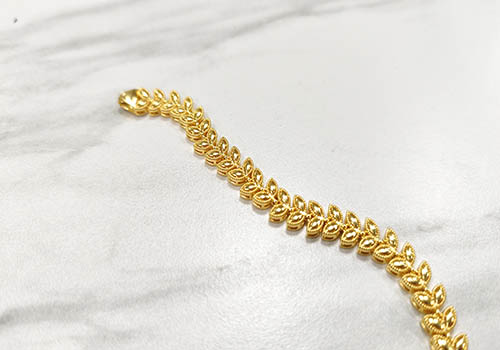
Gold electroforming technology represents a high-end manufacturing solution focused on ultra-high purity, asset value preservation, and exceptional craftsmanship. Distinct from conventional jewelry processing methods such as lost wax casting, this technology not only enables the production of gold structures with a purity of up to 99.9%, but also significantly enhances mechanical strength through the proprietary “5D hard gold electroforming” process.
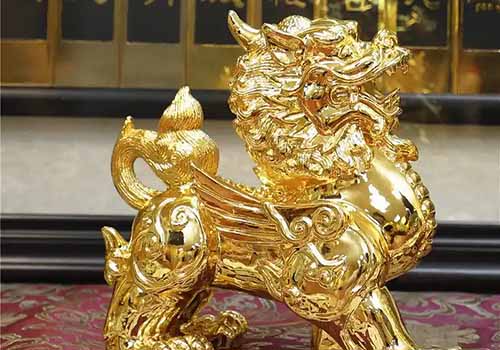
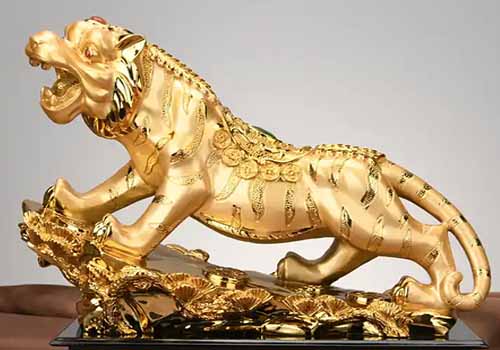
By adopting a cyanide-free electroplating approach, our solution ensures compliance with environmental regulations while maintaining long-term production stability. This makes it an ideal choice for high-value applications such as large hollow gold sculptures, investment-grade decorative gold products, and premium 24K hard gold jewelry.
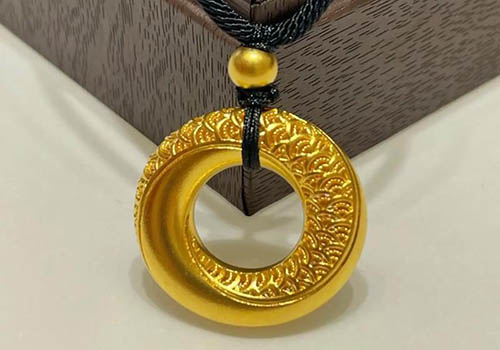
Although pure gold is naturally soft, our electroforming technology dramatically improves its hardness by precisely controlling the crystal structure during the electrochemical deposition process. This allows the final products to achieve optimized Vickers hardness levels without compromising purity. As a result, manufacturers can now create gold pieces that were previously difficult to achieve with traditional methods—combining “large yet lightweight” structures with “pure yet durable” performance.
With precise control over purity, thickness, and final weight, our gold electroforming solution provides manufacturers and brands with a reliable pathway to produce high-end 24K gold products that integrate striking visual appeal, superior structural performance, and intrinsic asset value—making it the perfect choice for premium markets that demand both craftsmanship and material excellence.


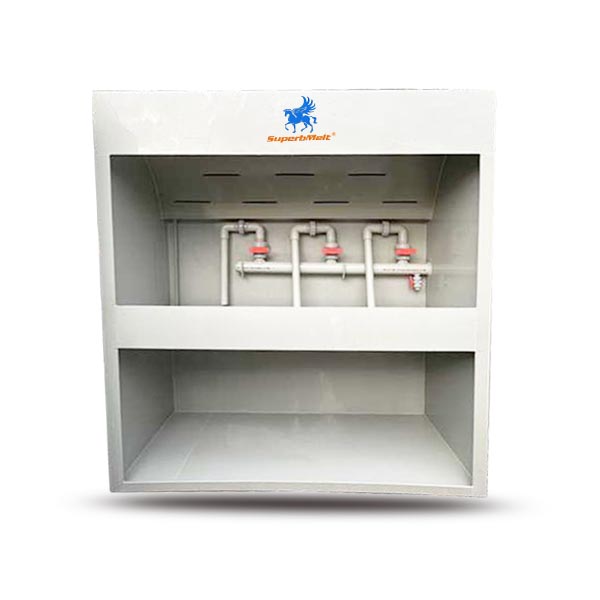
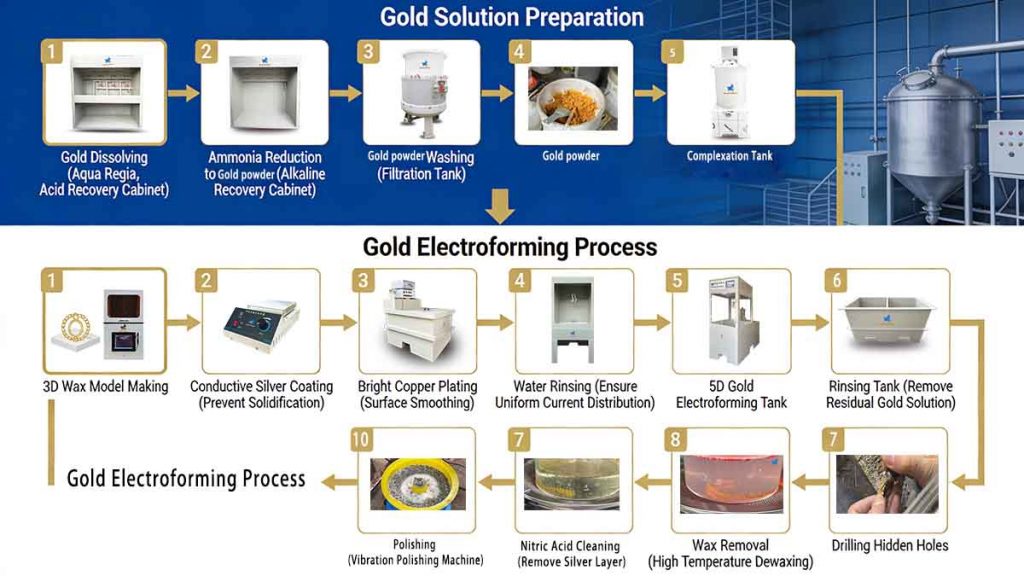
1stAcid Cabinet
The acid recovery system ensures safe gold dissolution, captures harmful fumes, and< minimizes precious metal loss during the aqua regia process.
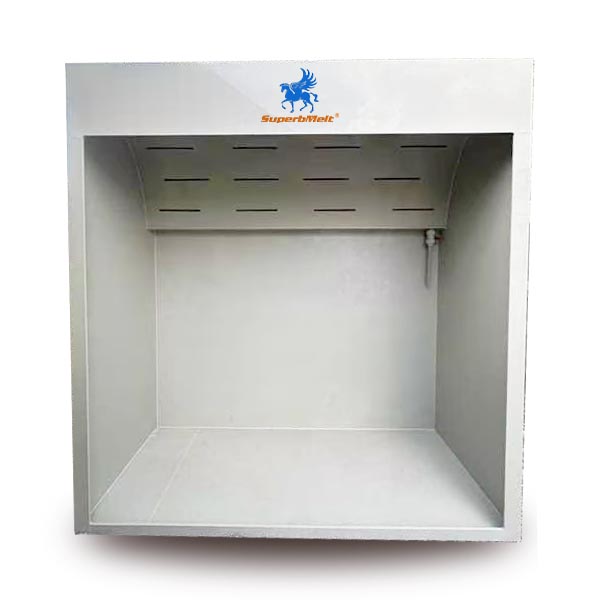
2st Alkali Cabinet
The alkaline recovery system ensures efficient gold reduction, captures harmful ammonia fumes, and maximizes gold recovery during the precipitation process.
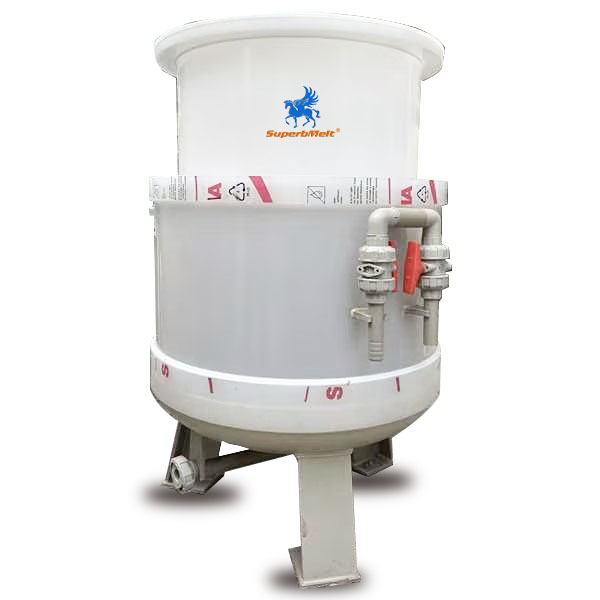
3st Gold Powder bucket
Gold powder washing ensures the removal of chemical residues and impurities, providing a clean and stable raw material for subsequent electroforming processes.
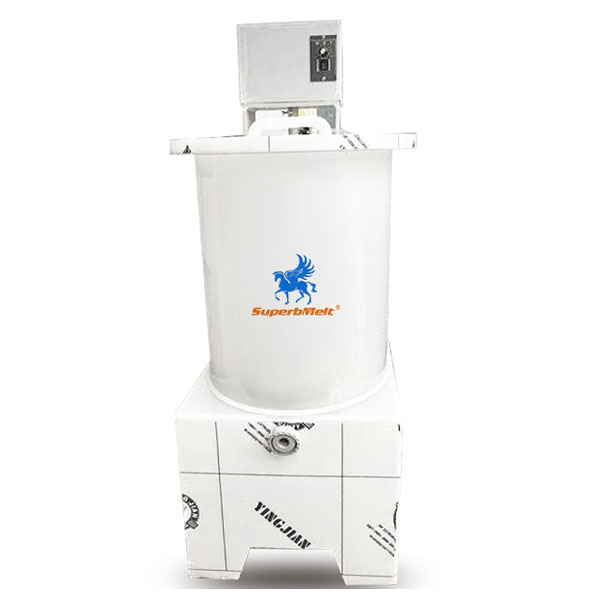
4st Complexation Tank
The complexation process converts the purified gold slime into a stable electroforming solution, thereby ensuring the stability of ionic activity.


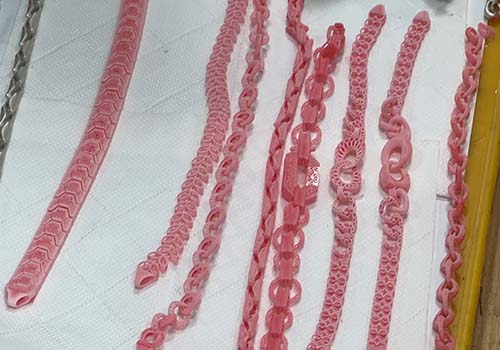
1ndMaking Wax Mold

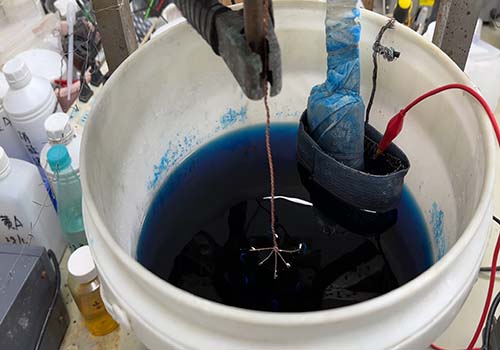
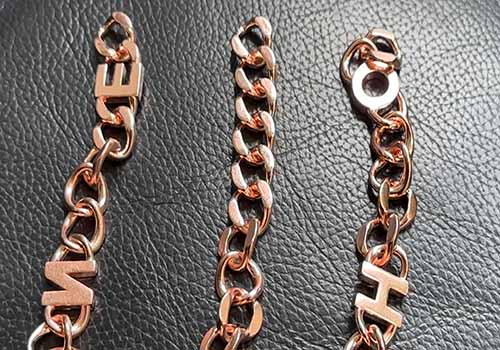
3thBright Copper Plating Tank
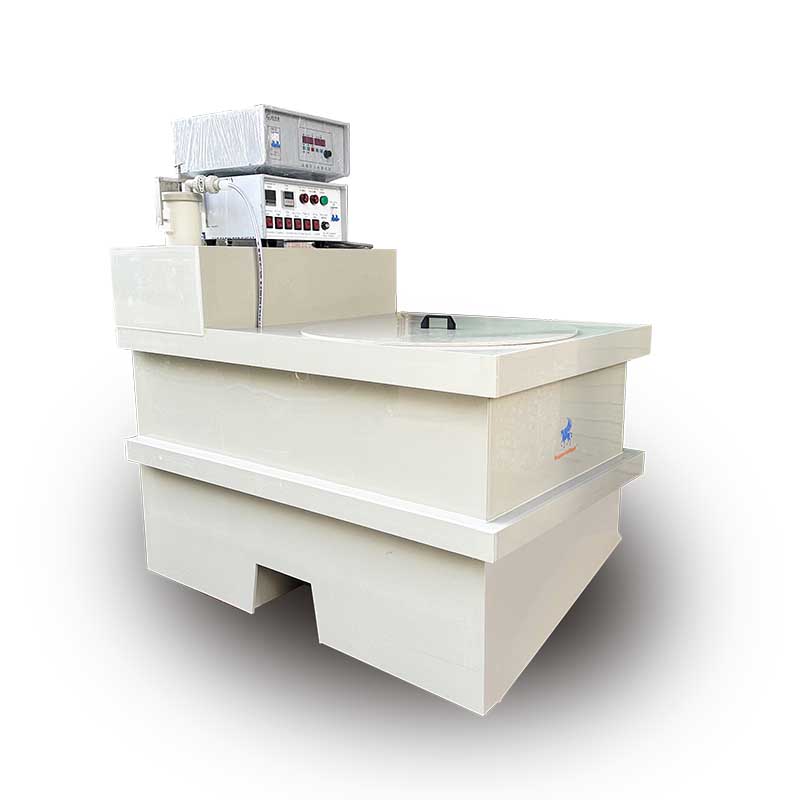
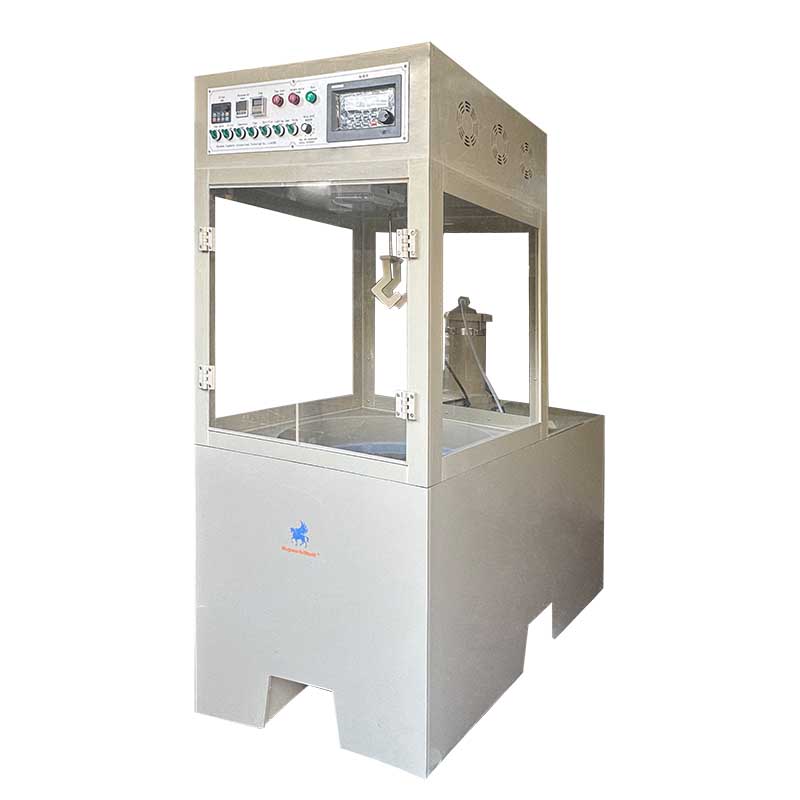
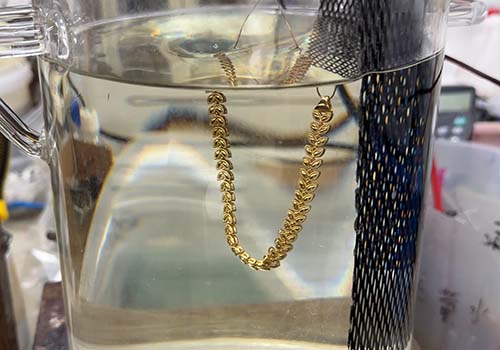
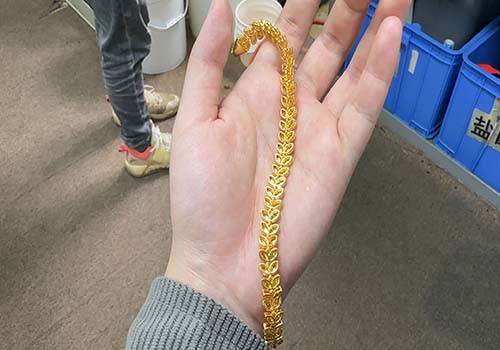
5th5D Gold Electroforming Tank
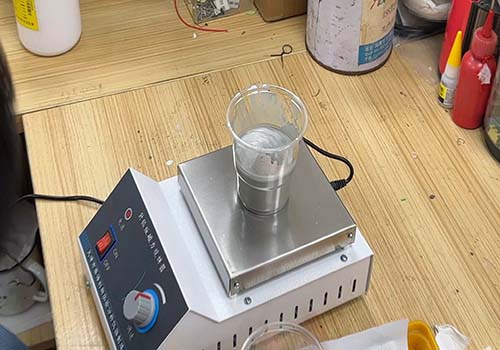
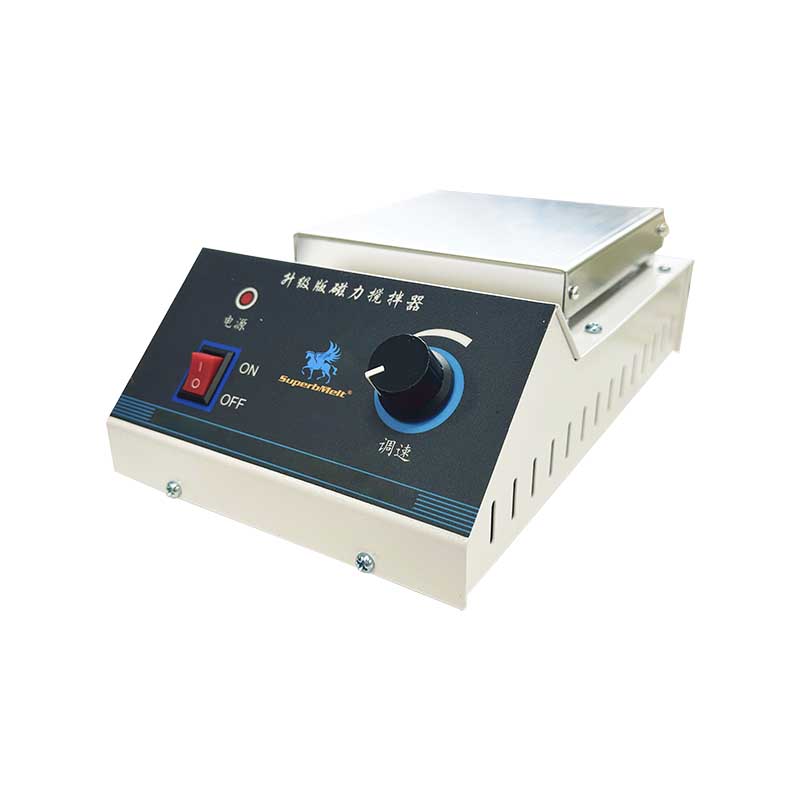
2ndMagnetic Stirrer
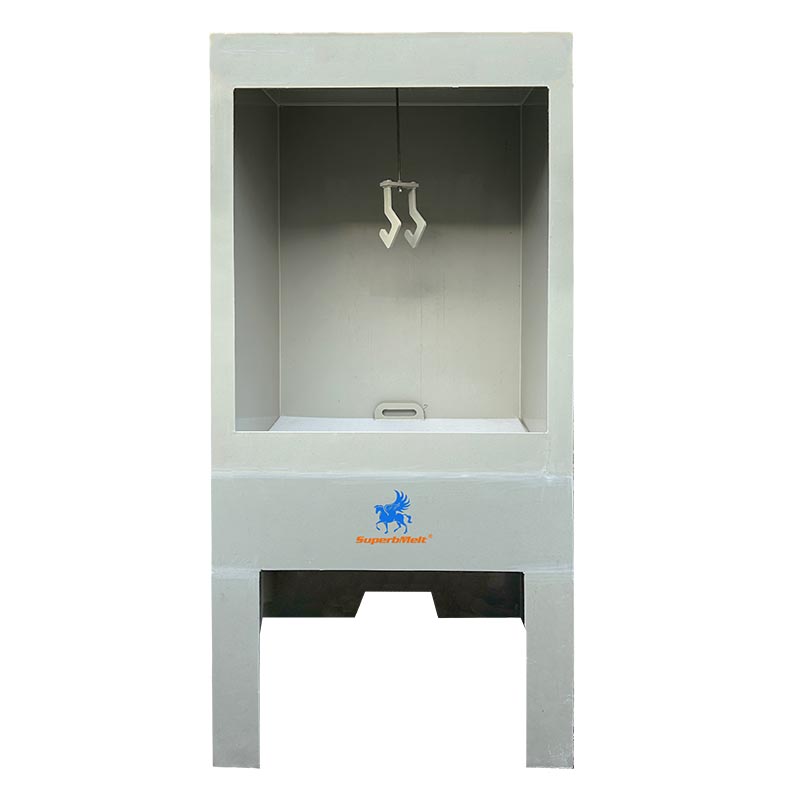
4thFlushing Cabinet
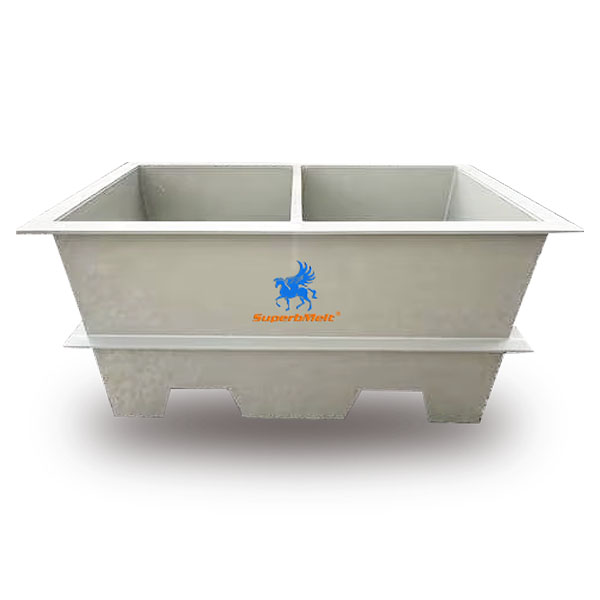
6th Water Tank

1st Making Wax Mold

2nd Magnetic Stirrer

3rdBright Copper Plating Tank

4thFlushing Cabinet

5th5D Gold Electroforming Tank

6thWater Tank
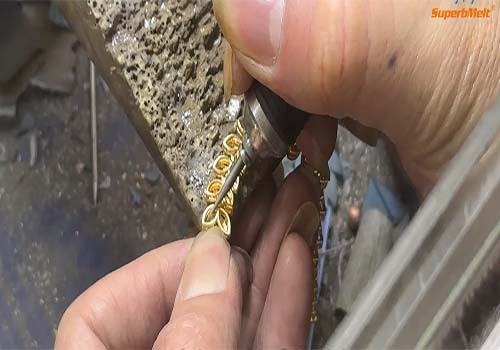
7thDrilling
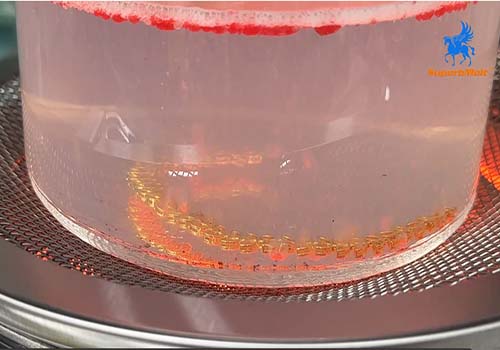
8thWax Melting
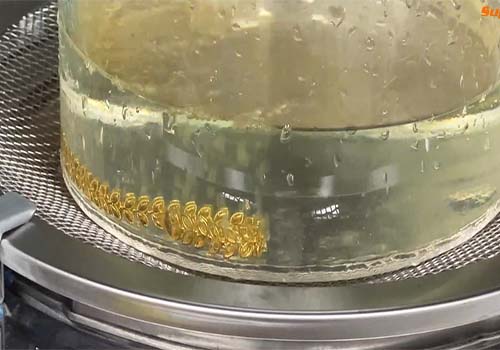
9thTin-Bismuth Alloy
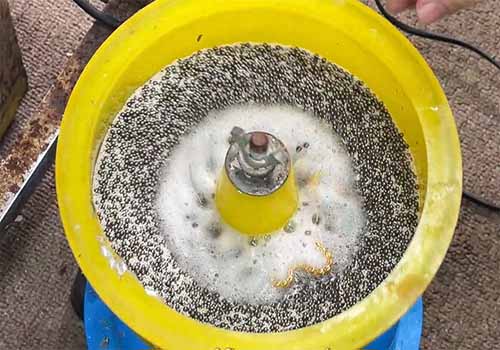
10thPolishing





2 years warranty
The warranty for our machine is one year longer than the warranty provided by other factories.

Strong service team
We will give response within 24 hours against your problem by our professional engineer.

In the realm of modern high-end jewelry and fine craftsmanship, the ideal of creating pure gold pieces that are “substantial yet lightweight, pure yet durable” has become a coveted objective. Electroforming technology has garnered significant attention for its ability to produce hollow objects crafted from 99.9% high-purity gold, whereas traditional Lost Wax Casting stands as a time-honored metal-forming technique. The choice between these two processes directly impacts a product’s purity, hardness, aesthetic appeal, and cost-effectiveness. This guide offers an in-depth analysis of the distinctions between electroforming and lost wax casting—covering aspects such as purity, hardness, structural integrity, gold consumption, design complexity, surface finish, and application scenarios.
Furthermore, it highlights the critical importance of “Hard Gold” electroforming, the advantages of eco-friendly, cyanide-free technologies, and the reasons why an increasing number of high-end brands are gravitating toward electroforming. By examining technical details and market comparisons, this guide aims to empower you to make strategic product decisions that result in high-margin, premium-quality, and highly competitive offerings.
Introduction of Electroformed Gold
24K Gold Electroforming is a process that involves electrochemically depositing—or “growing”—layers of pure gold onto the surface of a model, which can be either conductive or non-conductive. This technique allows for the creation of hollow gold jewelry structures, significantly reducing overall weight and conserving gold material. The typical workflow encompasses steps such as dissolving gold in an aqueous solution, chemical reduction using ammonia, forming a gold plating bath complex, applying a conductive silver coating to a wax model, copper plating, rinsing, gold electroforming, wax removal, and final polishing.
Lost Wax Casting, conversely, begins with the creation of a wax model, followed by the melting and pouring of metal into a mold to form a solid structure. It is a mature technique well-suited for traditional jewelry manufacturing; however, it typically entails a high consumption of gold and results in heavier pieces. Lost wax casting faces limitations in producing ultra-thin or large-scale hollow components, and the process generally requires more extensive post-casting polishing and finishing work.
In a nutshell: Electroforming builds, while casting pours. (Electroforming “grows” the gold, whereas casting “pours” the gold.)
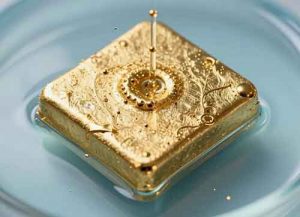
What is Gold Electroforming vs Lost Wax Casting
2.1, Electroforming
Gold electroforming is a high-precision manufacturing process based on the principle of electrochemical deposition. It works by “growing” pure gold layer by layer on a pre-made, dissolvable mold through controlled electrolysis, and after the mold is completely removed through chemical or physical methods, a complete, integral gold product is formed. The biggest advantage of this advanced process is that it can easily create complex hollow structures, which breaks the inherent limitations of traditional gold manufacturing processes and realizes more flexible, diverse, and innovative design possibilities for gold products.
2.2, Lost Wax Casting
Lost wax casting is a traditional metal casting process with a history of thousands of years, widely used in the production of gold jewelry and small artifacts. Its specific process involves first making a detailed wax mold that is identical to the desired final product, then repeatedly coating the wax mold with a high-temperature resistant refractory material to form a solid shell. Next, the wax inside the shell is melted and drained (hence the name “lost wax”), and finally, molten 24K gold is poured into the hollow shell at extremely high temperatures. After the gold cools and solidifies completely, the refractory shell is broken to obtain a solid gold product. This process is characterized by one-time casting molding, and the finished product is mostly a dense solid structure.
A concise and easy-to-remember comparison sums up the core difference between the two processes: Electroforming builds, casting pours.
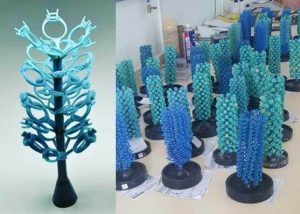
2.3, Core Comparison
Dimension | 24K Gold Electroforming | Lost Wax Casting |
Purity | Up to 99.9%, stable control, not easily affected by external factors during the process | Prone to alloy/impurity influence, purity fluctuates slightly due to casting temperature and raw material mixing |
Structure | Hollow (lightweight) – Large but lightweight, pure yet durable, with better structural flexibility | Solid (heavy), dense structure, but poor structural flexibility and high weight |
Gold Usage | Low (cost-saving), only needs to form a uniform gold layer, greatly reducing raw material waste | High, requires filling the entire mold cavity with molten gold, resulting in higher raw material consumption |
Hardness | Can be improved through hard gold technology, meeting the wear resistance requirements of various application scenarios | Naturally soft, easy to scratch and deform during wearing or use, with limited wear resistance |
Complex Structure | Extremely strong adaptability, capable of realizing ultra-complex hollow structures and delicate details | Has limitations, difficult to produce complex hollow structures, and details are easily blurred during casting |
Surface Quality | High-gloss, delicate, with a smooth surface that requires little post-processing and polishing | Requires extensive polishing to remove surface blemishes and unevenness caused by casting |
Suitable Products | High-end products, ornaments, hard gold – Large but lightweight, pure yet durable, suitable for high-end customization | Traditional jewelry, small standard parts, suitable for mass production of simple styles |
Features of SuperbMelt Gold Electroforming Solutions
3.1, 5D Hard Gold Technology
24K gold itself is very soft due to its pure composition, which greatly limits its application in many practical scenarios—it is easy to scratch, deform, and wear during daily wearing or use, directly affecting the service life and appearance integrity of the product. However, gold electroforming perfectly solves this industry pain point through advanced crystal control technology: by precisely adjusting the electrochemical parameters during the electroforming process, the crystal structure of the gold layer is optimized to be denser and more uniform, thereby significantly improving the hardness and wear resistance of the 24K gold product. This important technological breakthrough allows us to firmly emphasize: Pure gold no longer means soft gold.
On the premise of keeping the purity of 24K gold unchanged, we improve the Vickers hardness of the product through two core technical means to meet the needs of different application scenarios: first, optimizing the crystal nucleation and growth process during electroforming by adjusting the electroplating solution formula and current parameters, forming a dense and uniform crystal structure that enhances the overall hardness; second, adding trace beneficial elements that do not affect the gold purity to the gold plating solution, which can effectively enhance the bonding force between crystal grains without reducing the product purity. This dual technical optimization makes the electroformed 24K gold products have both ultra-high purity and excellent wear resistance and impact resistance.
Gold electroforming has unparalleled advantages in the precise control of product thickness and weight compared with traditional lost wax casting. By accurately adjusting the electroforming time and current density according to the product design requirements, we can precisely control the thickness of the gold layer on the product surface, thereby realizing the precise control of the product’s gram weight. This precise control not only helps brands optimize the cost structure—greatly reducing gold usage while ensuring the product’s appearance and performance—but also meets the personalized needs of different customers for product weight, size, and cost budget.
3.2, Cyanide-Free Technology
We exclusively adopt environmentally friendly cyanide-free electroplating technology in the gold electroforming process, which is not only in line with global environmental protection and safety standards but also achieves long-term sustainable production. This advanced technology is an important EEAT bonus point for our services: it is completely safe for production operators and the surrounding environment, avoids the environmental pollution and safety hazards caused by traditional cyanide electroplating, can be stably scaled up for large-scale mass production, and fully complies with international environmental protection and safety regulations, helping brands establish a responsible, environmentally friendly, and high-end corporate image in the market.
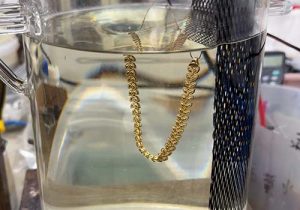
3.3, Purity Control (≥99.9%)
The key to ensuring the ultra-high purity of 24K gold electroforming products lies in the precise control of the gold plating solution system and the stable control of the entire electroforming process. We use 99.99% high-purity gold raw materials to configure the professional gold plating solution, strictly control the content of impurities in the solution through multiple filtration and purification processes, and maintain stable current, temperature, and pH value throughout the electroforming process with intelligent monitoring equipment. These strict technical controls ensure that the purity of the final electroformed product can stably reach more than 99.9%, fully meeting the highest quality standards of high-end 24K gold products in the global market.
Application Scenarios
Electroforming is more suitable for scenarios that pursue high-end, personalization, and cost optimization, including: Large hollow gold ornaments (Electroformed Statues) that require large volume but low weight, investment-oriented decorative gold that focuses on purity and asset value, and high-end 24K hard gold jewelry that requires both purity and wear resistance. Its core selling point is: “Large but lightweight, pure yet durable”—it can create large-sized, visually striking gold products without excessively increasing the weight and production cost, while ensuring ultra-high purity and long-term durability, which is deeply favored by high-end consumers and collectors in the market.
Casting is more suitable for traditional, mass-produced gold products, including: Traditional solid gold jewelry with simple styles, such as gold rings, necklaces, and bracelets, and small standard gold parts. It has mature production technology and a low entry threshold for manufacturers, but due to its high gold usage and limited structural design, it is more suitable for products with simple styles, no special requirements for weight and purity, and oriented to the mid-to-low-end market.
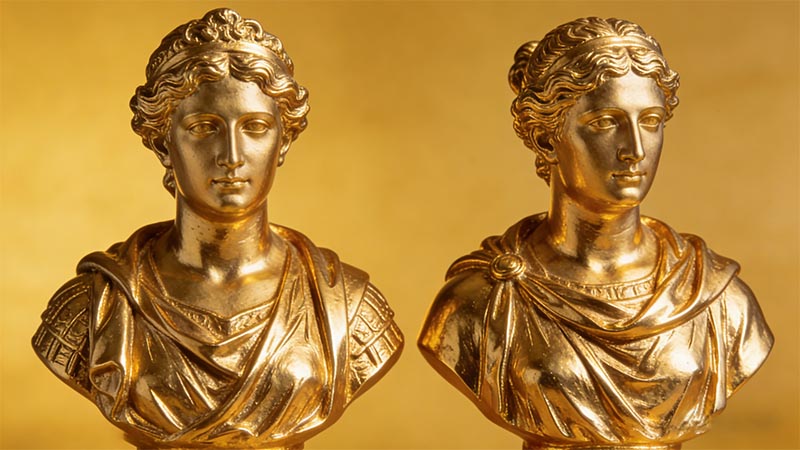
From the perspective of “money” and “value” that customers care most about, the advantages of electroforming are more prominent, which can directly help customers improve profit space and enhance product market competitiveness, and even gain an advantage in the high-end market:
Electroforming: Lower gold usage = higher profit margin—reducing raw material costs while ensuring product quality, directly increasing the profit space of each product; Larger volume = higher premium space—large-sized hollow products have stronger visual appeal and can be priced with a higher premium; Higher purity = stronger asset attribute—ultra-high purity makes the product have better collection value and appreciation potential. For brands, this means that under the same cost input, electroformed products can have a more attractive appearance and higher added value, and the ultra-high purity also makes the products easier to be recognized and favored by high-end consumers, further expanding the market share.
Casting: High gold usage leads to high production costs; although the product is heavy, it does not necessarily bring a higher sense of value. Although solid casting products have a certain sense of weight, the high gold usage directly increases the production cost, and the purity is difficult to reach the level of electroforming due to the limitations of the process. This makes the product’s profit space and market competitiveness relatively limited, and with the upgrading of consumer demand, it is gradually being replaced by electroforming technology in the high-end gold market.
 © Copyright 2008-2026 Superb Electromachinery Co., Limited