








2 years warranty
The warranty for our machine is one year longer than the warranty provided by other factories.

ISO CE SGS approved
Professional certification bodies certify that the machines are of high quality.

Strong service team
We will give response within 24 hours against your problem by our professional engineer.



In the competitive gold jewelry industry, efficiency, product consistency, and production scalability are the core keys to standing out. Traditional manual jewelry making relies heavily on skilled craftsmen, leading to pain points such as low production efficiency, uneven product quality, high labor costs, and difficulty in mass production. With the development of industrial technology, gold jewelry making machines have become a game-changer in modern jewelry manufacturing. They not only solve the pain points of manual production but also help businesses achieve standardized, automated, and large-scale operations.
This guide is tailored for jewelry workshop owners, small and medium-sized jewelry factories, and entrepreneurs entering the gold jewelry industry. It systematically sorts out the core knowledge of gold jewelry making machines—from basic understanding and core equipment classification to auxiliary facilities, automation solutions, and selection criteria. At the same time, it integrates SuperbMelt’s one-stop jewelry processing solutions, helping you clarify equipment needs, optimize production lines, and achieve sustainable development in the industry.
Understanding Gold Jewelry Making Machines
Before investing in gold jewelry making equipment, it is essential to have a clear understanding of its definition, core value, and application scenarios. This foundational knowledge will help you accurately match your business scale and production needs.
1.1, What Is a Gold Jewelry Making Machine
Gold jewelry making machines refer to a series of professional equipment designed for processing gold and other precious metals into finished jewelry. These machines cover the entire production process from raw material preparation, melting, casting, forming, engraving, to polishing and quality inspection. Unlike traditional manual tools, modern gold jewelry making machines rely on advanced technologies such as induction heating, CNC precision control, and automation integration to ensure the efficiency and stability of each production link.
SuperbMelt’s gold jewelry making machines focus on three core advantages: advanced equipment technology, user-friendly operation process, and full-process compatibility. Whether it is small-batch custom production or large-scale mass manufacturing, they can provide precise and efficient processing support, and form a one-stop solution with supporting auxiliary equipment to fully meet users’ jewelry processing needs.
1.2, Types of Gold Jewelry Making Machines
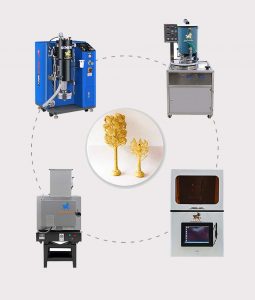
According to the production process, gold jewelry making machines can be divided into core processing equipment and auxiliary supporting equipment. The main types are as follows, covering the entire gold jewelry production chain:
- Melting & Casting Equipment: The core of raw material processing, such as induction melting furnaces, vacuum casting machines, etc., which are used to melt gold ingots or scrap gold into molten metal and cast them into blanks of various shapes (such as ring blanks, pendant blanks).
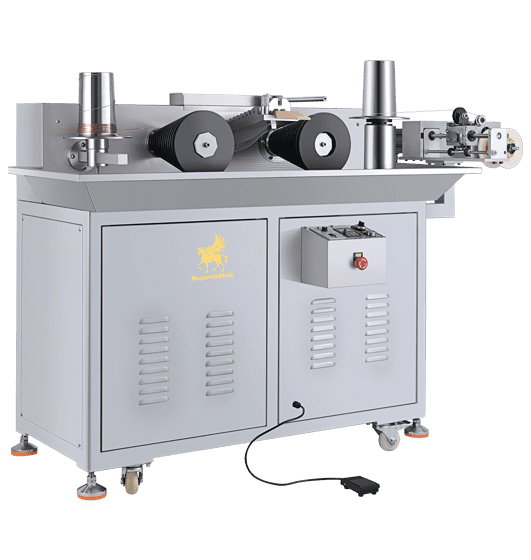
- Forming & Shaping Equipment: Including stamping machines, wire drawing machines, rolling machines, etc., which process gold blanks into basic shapes required for jewelry (such as gold wires, gold sheets, or preliminary shaped jewelry parts).
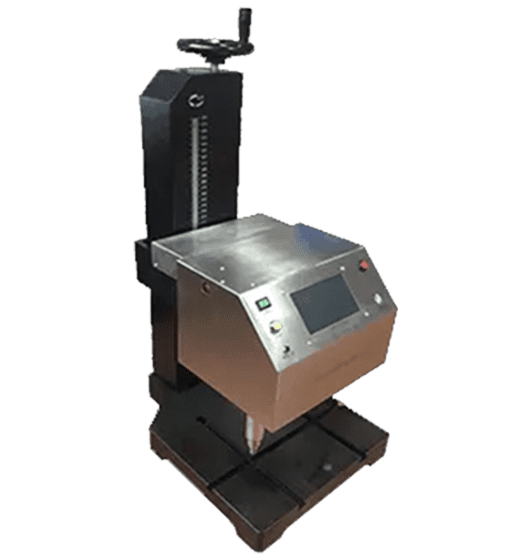
- Engraving & Decoration Equipment: Such as CNC engraving machines, laser engraving machines, inlay machines, etc., which are used to add detailed decorations to jewelry (such as patterns, characters, inlaid gemstones) to improve the aesthetic value of products.
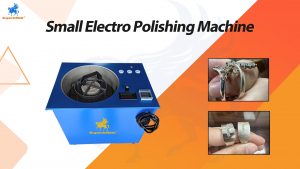
- Polishing & Finishing Equipment: Including ultrasonic polishing machines, magnetic polishing machines, and manual auxiliary polishing tools, which are used to polish the surface of jewelry to achieve a smooth, shiny finish and remove burrs or defects in the processing process.
- Auxiliary Equipment: Covering material handling, quality inspection, waste recovery and other links, such as gold weight sorting machines, purity testing equipment, and scrap gold recycling systems.
1.3, Applications in Jewelry Workshops and Factories
Gold jewelry making machines are widely applicable to jewelry processing scenarios of different scales, and their configuration plans vary according to production needs:
- Small Jewelry Workshops/Custom Studios: Focus on small-batch, personalized customization. They usually configure small-scale melting furnaces, desktop CNC engraving machines, and manual auxiliary polishing equipment. SuperbMelt’s small-capacity melting furnaces and easy-to-operate engraving machines are very suitable for such scenarios—no professional operation experience is required, and they can quickly respond to custom needs.
- Medium-Sized Jewelry Factories: Need to balance customization and batch production. The configuration usually includes automatic melting casting lines, semi-automatic engraving and inlay equipment, and centralized polishing workshops. SuperbMelt can provide customized equipment combinations, and integrate multiple processes to improve production efficiency while ensuring product diversity.
- Large-Scale Jewelry Manufacturing Bases: Focus on mass production of standardized products (such as gold rings, bracelets). They need fully automated production lines, including automatic feeding, continuous melting, precision casting, and automatic polishing. SuperbMelt’s fully automated gold jewelry making machines can realize unmanned operation in the whole process, greatly reducing labor costs and improving production capacity.
Core Equipment Used in Gold Jewelry Manufacturing
Core equipment is the core of gold jewelry production, directly determining the quality, efficiency, and processing capacity of products. The following focuses on the three most critical types of core equipment, and explains their functions and SuperbMelt’s technical advantages.
2.1, Casting, Melting, and Forming Machines
Casting, melting, and forming are the first steps in gold jewelry production. The quality of these links directly affects the purity and structural stability of subsequent jewelry products.
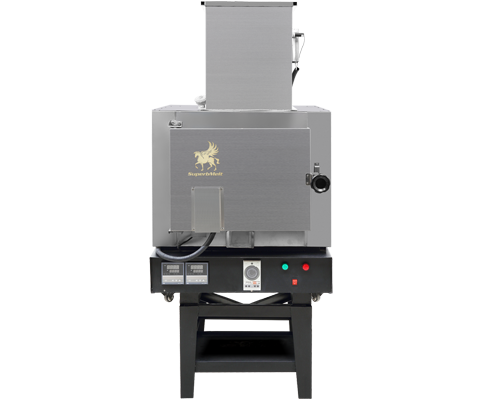
- Induction Melting Furnaces: As the core equipment for melting gold, they replace traditional gas torches and solve the problems of slow melting speed, uneven heating, and high gold loss. SuperbMelt’s induction melting furnaces adopt advanced IGBT induction heating technology, which can melt 1-5kg of gold in 2-5 minutes, with a temperature control accuracy of ±5°C. They effectively reduce gold volatilization loss (loss rate ≤0.5%) and are equipped with a user-friendly digital control panel—even new operators can master the operation in 10 minutes.
- Vacuum Casting Machines: Used to cast molten gold into pre-designed molds. The vacuum environment avoids air bubbles and impurities in the casting blanks, ensuring the density and surface smoothness of the blanks. SuperbMelt’s vacuum casting machines are compatible with various mold types (such as silicone molds, metal molds) and can be seamlessly connected with melting furnaces to form a continuous casting process, improving production efficiency.
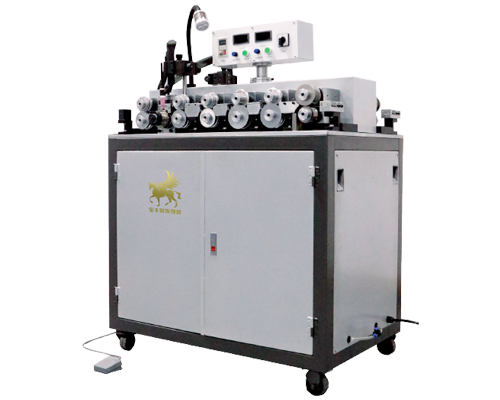
- Forming Machines (Stamping/Rolling): Process casting blanks into gold wires, gold sheets, or preliminary shaped parts. SuperbMelt’s precision stamping machines adopt CNC control, with a stamping accuracy of 0.01mm, which can ensure the consistency of product dimensions in batch production. The rolling machines are equipped with pressure adjustment systems, suitable for processing gold materials of different thicknesses, and have the characteristics of low noise and stable operation.
2.2, Engraving, Pressing, and Shaping Equipment
These equipment are responsible for adding decorative details and shaping the final appearance of jewelry, which is the key to improving the added value of products.
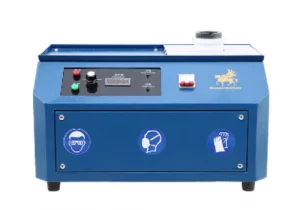
- CNC Laser Engraving Machines: Suitable for fine pattern and text engraving on gold jewelry (such as wedding ring inscriptions, hollow patterns). SuperbMelt’s laser engraving machines have a positioning accuracy of 0.001mm, which can restore complex design patterns. They support offline programming and pattern import, and are equipped with a visual operation interface—users can preview the engraving effect in advance, reducing the error rate of manual operation.
- Pressing Machines: Used for batch production of jewelry with fixed shapes (such as simple gold rings, earrings). They use prefabricated molds to press gold blanks into finished products at one time, with high production efficiency (up to 500 pieces per hour). SuperbMelt’s pressing machines are equipped with pressure protection systems to avoid damage to gold materials due to excessive pressure, and the mold replacement is simple and fast, supporting the switching of multiple product types.
- Inlay Machines: For setting gemstones (such as diamonds, rubies) into gold jewelry. SuperbMelt’s precision inlay machines adopt hydraulic control, with stable pressure output, ensuring that the gemstones are firmly inlaid without damaging the gemstone surface. They are suitable for various inlay methods (such as claw setting, bezel setting) and are equipped with auxiliary lighting and magnification systems to improve the accuracy of inlay operations.
2.3, Polishing and Finishing Machines
Polishing is the last process of gold jewelry production, which determines the surface gloss and touch of the product. It is crucial to improving the product’s market competitiveness.
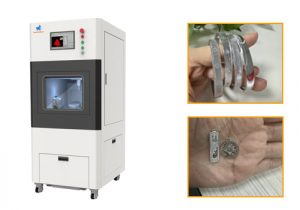
- Ultrasonic Polishing Machines: Use high-frequency ultrasonic vibration to remove burrs and oxides on the surface of jewelry. They are suitable for polishing small and complex parts (such as hollow pendants, chain links) that are difficult to reach by manual polishing. SuperbMelt’s ultrasonic polishing machines have adjustable frequency (20-80kHz) and can be customized according to the size and shape of jewelry. The polishing process is fully automatic, and one machine can replace 3-5 manual polishers.
- Magnetic Polishing Machines: Suitable for batch polishing of small gold jewelry (such as earrings, small pendants). They use magnetic steel to drive polishing media to rub against the surface of jewelry, with high polishing efficiency and uniform effect. SuperbMelt’s magnetic polishing machines have a closed design, which avoids the splashing of polishing liquid and the loss of gold dust. The polishing time can be set automatically, and the operation is simple and safe.
- Manual Auxiliary Polishing Tools: For fine polishing of high-end custom jewelry (such as high-purity gold necklaces). SuperbMelt provides a full set of manual polishing tools (such as polishing wheels, polishing pastes) that match the core equipment. The tools are made of high-quality materials, which can avoid scratches on the surface of gold jewelry and ensure the final polishing effect.
Auxiliary Equipment for Gold Jewelry Processing
Auxiliary equipment is an important guarantee for the smooth operation of the gold jewelry production line. It covers material preparation, quality control, and waste recovery, and is an indispensable part of SuperbMelt’s one-stop jewelry processing solution.
3.1, Material Preparation and Handling Equipment
These equipment are used for the pretreatment and handling of gold raw materials, ensuring the stability of the production process and the safety of materials.
- Gold Weight Sorting Machines: Used to sort gold raw materials or semi-finished products by weight. They have a weighing accuracy of 0.001g, which can ensure that the weight of each jewelry product meets the standard. SuperbMelt’s sorting machines support automatic counting and data recording, which is convenient for businesses to manage production data.
- Material Storage and Transportation Equipment: Including sealed gold storage boxes, anti-static conveying belts, etc. The storage boxes are made of anti-theft and anti-oxidation materials to ensure the safety of gold materials. The conveying belts are designed with soft materials to avoid scratches on the surface of gold blanks during transportation. They can be seamlessly connected with core equipment to realize automatic material transportation.
3.2, Quality Inspection and Testing Machines
Quality inspection is the key to ensuring the quality of gold jewelry products and maintaining the brand reputation of businesses. SuperbMelt provides a full set of quality inspection equipment to help businesses achieve strict quality control.
- Gold Purity Testing Machines: Adopt X-ray fluorescence technology to quickly detect the purity of gold (such as 24K, 18K, 14K) without damaging the product. The detection time is only 3-5 seconds, and the accuracy is as high as 0.01%. SuperbMelt’s testing machines are small in size, easy to place in the production line, and support the storage and export of detection data, which is convenient for traceability of product quality.
- Surface Defect Detection Equipment: Use machine vision technology to automatically detect surface defects of jewelry (such as scratches, air bubbles, uneven polishing). It can replace manual inspection, improve inspection efficiency and accuracy, and avoid missed inspection or misinspection caused by human factors. The equipment can be connected with the production line to realize real-time sorting of qualified and unqualified products.

3.3, Waste Recovery and Recycling Systems
Gold waste (such as gold dust, scrap wire) generated in the production process has high recycling value. SuperbMelt’s waste recovery and recycling systems help businesses maximize resource utilization and reduce production costs.
- Gold Dust Recovery Machines: Installed in polishing, engraving and other links, they collect gold dust generated during processing through negative pressure adsorption. The recovery rate is as high as 99%, which effectively avoids the loss of gold resources. The collected gold dust can be directly used for melting and recycling after simple treatment.
- Scrap Gold Melting Recycling Furnaces: Specialized for melting and recycling scrap gold (such as defective products, scrap blanks). They adopt the same IGBT induction heating technology as the core melting furnaces, with low energy consumption and low loss. The recycled gold can be directly used as raw materials for production, realizing the recycling of resources and reducing the cost of raw materials for businesses.
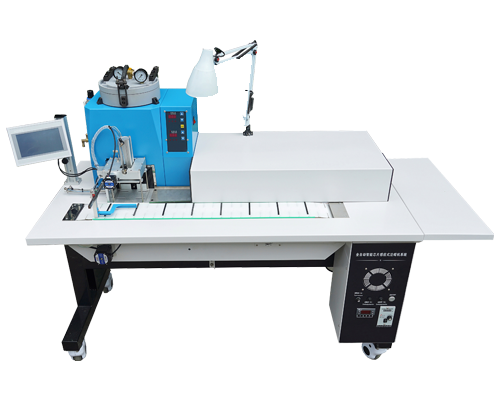
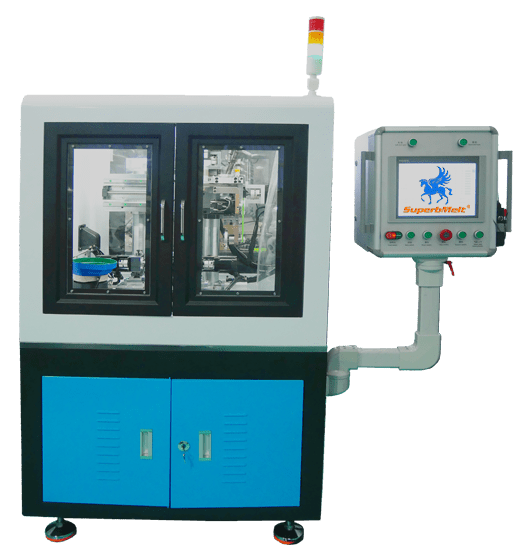
To better manage the core business of precious metal jewelry manufacturing, SuperbMelt offers fully automated Gold Jewelry Making Machines that enable the mass production of complex jewelry, thereby improving production line efficiency. We have established extensive collaborations with multiple domestic and international technology institutions. SuperbMelt’s technical team will carefully configure efficient and comprehensive system equipment for your jewelry store or jewelry manufacturing plant. If you have additional requirements for your factory, please feel free to contact us at any time.
Automation and Production Line Efficiency
With the continuous rise of labor costs and the increasing demand for mass production, automation has become the development trend of the gold jewelry industry. SuperbMelt’s automated gold jewelry making solutions help businesses improve production efficiency, reduce costs, and enhance market competitiveness.
4.1, Fully Automated Jewelry Production Lines
SuperbMelt’s fully automated jewelry production lines integrate melting, casting, forming, engraving, polishing, and quality inspection into one. They realize unmanned operation from raw material input to finished product output. The production line adopts intelligent PLC control, which can automatically adjust process parameters according to different product types. For example, when switching from gold ring production to gold pendant production, the system can automatically adjust the melting temperature, casting time, and engraving patterns—no manual reconfiguration is required.
The fully automated production line has the advantages of high production efficiency (up to 1000 pieces per hour for standardized products), stable product quality (consistency rate ≥99.5%), and small floor space. It is very suitable for large-scale jewelry manufacturing bases and businesses that need to expand production scale.
4.2, Reducing Labor Costs and Human Error
Traditional manual jewelry making requires a large number of skilled craftsmen, and the labor cost accounts for 30-40% of the total production cost. At the same time, manual operation is prone to errors (such as uneven polishing, inaccurate inlay), leading to defective products and resource waste.
SuperbMelt’s automated equipment and production lines can significantly reduce labor costs—a fully automated production line can replace 10-15 manual workers. At the same time, the intelligent control system avoids human errors in the production process, reduces the defective product rate to less than 0.3%, and greatly improves the utilization rate of gold materials and production efficiency.
4.3, Scaling Production for Mass Manufacturing
For businesses that need to expand production scale, the scalability of equipment is crucial. SuperbMelt’s gold jewelry making equipment adopts a modular design—businesses can first configure basic core equipment according to their current production needs, and then gradually add auxiliary equipment and expand the production line as the business grows.
In addition, SuperbMelt’s technical team can provide customized production line expansion solutions, including equipment upgrade, process optimization, and system integration. Whether it is expanding from small-batch custom production to medium-batch production, or from medium-batch production to large-scale mass production, the equipment can be seamlessly upgraded to ensure the continuity and stability of the production process.
How to Choose the Right Gold Jewelry Making Machine
Choosing the right gold jewelry making machine is the key to ensuring production efficiency and product quality. It is necessary to comprehensively consider factors such as production capacity, business scale, customization needs, and supplier services. The following are practical selection suggestions provided by SuperbMelt’s technical team.
5.1, Production Capacity and Business Scale
The first step in selecting equipment is to clarify your own production capacity and business scale, and avoid mismatched equipment that leads to waste of resources or insufficient production capacity:
- Small-Scale Operations (Daily Output < 500 Pieces): Such as small custom studios, individual craftsmen—choose small-capacity, easy-to-operate core equipment (such as 1-2kg melting furnaces, desktop laser engraving machines) and simple auxiliary equipment. SuperbMelt’s small-scale equipment has the advantages of low investment, small floor space, and quick return on investment, which is very suitable for starting a business.
- Medium-Scale Operations (Daily Output 500-5000 Pieces): Such as medium-sized jewelry factories—choose semi-automatic production lines, including automatic melting casting equipment, batch polishing machines, and quality inspection equipment. SuperbMelt can configure equipment combinations according to the main products (such as focusing on ring production or pendant production), balancing production efficiency and product diversity.
- Large-Scale Operations (Daily Output > 5000 Pieces): Such as large-scale jewelry manufacturing bases—choose fully automated production lines, including automatic feeding, continuous melting, precision casting, and automatic sorting. SuperbMelt’s fully automated production lines can realize 24-hour continuous operation, greatly improving production capacity and reducing unit production costs.
5.2, Customization and System Integration
Different jewelry businesses have different product positioning and process requirements. Choosing equipment with customization capabilities and system integration capabilities can better meet personalized production needs:
- Customization of Equipment Parameters: SuperbMelt’s core equipment supports parameter customization, such as adjusting the melting temperature range of the melting furnace, the engraving speed of the engraving machine, and the polishing time of the polishing machine, to adapt to different gold materials (such as 24K gold, 18K gold) and product types (such as hollow jewelry, solid jewelry).
- System Integration Capability: The equipment should be able to be seamlessly connected with other links (such as material transportation, quality inspection, data management). SuperbMelt’s equipment adopts standard communication interfaces, which can be integrated with enterprise ERP systems to realize real-time monitoring and management of production data, improving the informatization level of the production process.
5.3, Supplier Support, Training, and After-Sales Service
Gold jewelry making machines are professional equipment, and the support and after-sales service of suppliers directly affect the use effect and maintenance cost of the equipment. When choosing a supplier, focus on the following points:
- Technical Training: SuperbMelt provides free on-site technical training for users, including equipment operation, parameter adjustment, and daily maintenance. The training team is composed of professional technicians with more than 5 years of industry experience, ensuring that users can master the use of equipment quickly.
- After-Sales Service: SuperbMelt provides 24-hour after-sales service—users can contact the after-sales team through phone, email, or online customer service at any time for equipment failure problems. The after-sales team promises to respond within 2 hours and provide remote guidance or on-site maintenance services (on-site service is available in major cities at home and abroad).
- Spare Parts Supply: SuperbMelt has established a global spare parts supply system, which can quickly provide original spare parts for users, avoiding production interruptions caused by lack of spare parts. At the same time, the company provides a one-year free warranty for equipment and lifelong maintenance services.
Conclusion
Gold jewelry making machines play a crucial role in modern jewelry manufacturing by improving efficiency, consistency, and production scalability. With the continuous development of automation and intelligent technology, choosing the right combination of core and auxiliary equipment has become the key to the success of jewelry businesses.
SuperbMelt, with its advanced equipment technology, user-friendly operation process, and one-stop jewelry processing solutions, provides comprehensive equipment and technical support for jewelry workshops and factories of different scales. From core processing equipment such as melting, casting, and engraving to auxiliary facilities such as quality inspection and waste recovery, SuperbMelt can customize efficient and comprehensive system equipment according to users’ actual needs.
In addition, SuperbMelt’s 24-hour after-sales service, professional technical training, and global spare parts supply system ensure that users have no worries during the use of equipment. Choosing SuperbMelt is not only choosing high-quality equipment, but also choosing a reliable partner for long-term development in the jewelry industry.
Ready to Upgrade Your Gold Jewelry Production Line?
Whether you are a small custom jewelry studio, a medium-sized jewelry factory, or a large-scale manufacturing base, SuperbMelt can provide you with customized gold jewelry making machine solutions. Our professional technical team will conduct one-on-one communication with you, understand your production needs, and configure the most suitable equipment combination for you.
Contact us today to enjoy the following services:
 © Copyright 2008-2026 Superb Electromachinery Co., Limited