
Portable XRF Analyzer
SuperbMelt Handheld Analyzer for Qualitative and Quantitative Analysis of 82 Elements
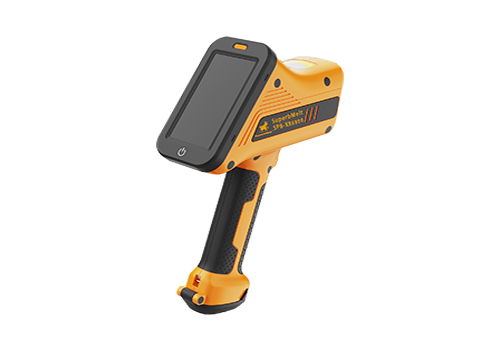
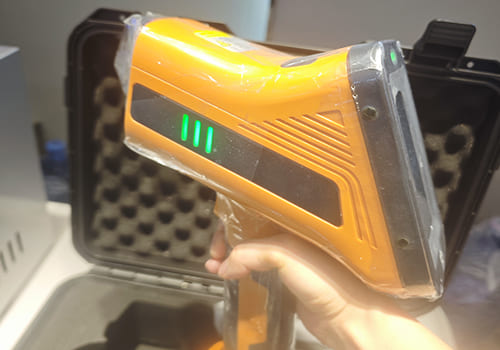
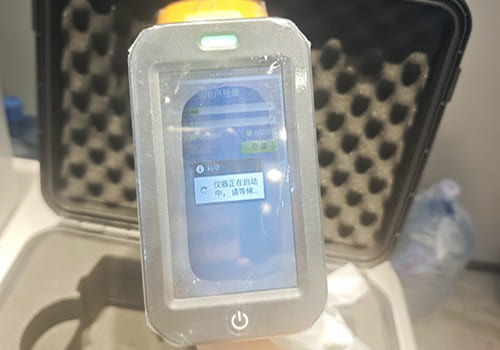
SuperbMelt Portable XRF Analyzer can detect 82 elements, ranging from sodium (Na) to uranium (U), and is capable of analyzing up to 26 elements simultaneously. The device offers fast analysis times of just 3-30 seconds.
This handheld analyzer integrates an intelligent FP (Fundamental Parameters) algorithm, enabling precise analysis of solids, liquids, and powders with a detection range from 1 ppm to 99.99%.
- Multiple Data Output Options:Supports WiFi, Bluetooth, email, USB, and other formats for flexible data export.
- Portable On-site Testing:Designed for field use, ensuring accurate and reliable results with high precision.
- Versatile Applications:Ideal for precious metal identification (gold, silver, platinum) and element detection across various industries.
This portable XRF analyzer is easy to operate and provides rapid, non-destructive testing, making it a valuable tool in jewelry, mining, recycling, electronics, and laboratory applications.
More gold testers for jewelry are available for you to choose from!

| Model | SPA-XR6800 |
| Analysis | 1 PPM to 99.99% |
| Sample form | Solid, powder, liquid |
| High voltage power supply | 0 ~ 50 kv |
| Light control current | 0 mu A ~ 100 mu A |
| Detector type | Sipin |
| Resolution of Si – pin | ≤180 eV |
| Multichannel analyzer | Multichannel analyzer DMCP |
| Test time | 3 SEC ~ 30 SEC |
| Measuring element | 82 elements from sodium (Na)to uranium (U)between all elements (Na、Mg、Al、Si、P、S、Cl、Ar、K、Ca)light elements |
| Analysis Software | Qualitative and quantitative analysis software |
| Shape size | 290*230*90(mm) |
| Weight | 1.58Kg (with battery) |
| Ambient temperature | -5 ° C ~ 45 ° C |
| Relative humidity | < 90% |
Fast and Accurate Analysis
- Equipped with advanced FP algorithmsfor precise qualitative and quantitative analysis of elements.
- The entire testing process, from startup to result display, can be completed in as little as 3-30 seconds.
Comprehensive Element Detection
- Capable of analyzing 82 elementsfrom Sodium (Na) to Uranium (U). It can also detect up to 26 elements simultaneously across solid, liquid, and powder samples.
Multiple Data Output Options
- Supports various data transmission formats, including WiFi, Bluetooth, email, and USB, enabling quick and easy report sharing on-site.
Portable and Easy to Use
- Compact, handheld design, making it ideal for on-site operationsor use outside of laboratory settings while maintaining high reliability and accuracy.
Broad Industry Applications
- Suitable for precious metal testing(e.g., gold, silver, platinum) and widely used in metallurgy, mining, manufacturing, and environmental monitoring industries.
High Precision with a Wide Measurement Range
- Detection range covers 1ppm to 99.99%, ensuring the accuracy of both trace and major element analysis.
Precious Metal Testing
- Used in jewelryand bullion trading to authenticate gold, silver, platinum, and other precious metals. It helps detect counterfeit materials (e.g., gold mixed with tungsten).
Mining and Metallurgy
- Identifies elemental composition in ores and minerals, assisting in resource explorationand metallurgical processing for metals like copper, iron, and rare earth elements.
Manufacturing Quality Control
- Ensures compliance with material specifications in industries such as electronics, automotive, and aerospace, verifying the alloy composition in components.
- Environmental Monitoring
- Detects trace elements in soil, water, and air samples, supporting environmental assessmentsfor pollution control and waste management.
- Recycling and Scrap Sorting
- Essential for metal recycling facilities, where it quickly identifies and sorts metals to ensure efficient recycling and proper valuation of scrap materials.
Education and Research
- Utilized in laboratoriesand universities for research on materials, geology, and chemistry, offering a non-destructive way to analyze samples.
Customs and Regulatory Inspections
- Aids customs and regulatory authorities in verifying the content of imported or exported goods to prevent fraud or ensure compliance with trade standards.
Why SuperbMelt Portable Gold Testing Machine


Any Question About SuperbMelt Portable XRF Analyzer
Portable XRF Analyzer Guide: Fast, Accurate On-Site Material Analysis Solutions
In industries such as precious metal trading, scrap metal recycling, mining exploration, and manufacturing quality control, material composition analysis is a critical link that directly affects transaction safety, production efficiency, and product quality. Traditional laboratory analysis methods have long been plagued by pain points such as time-consuming processes (taking hours to days), high testing costs, destructive sampling (causing loss of valuable materials), and inability to conduct on-site testing. These drawbacks often lead to delayed decision-making, increased operational risks, and missed business opportunities.
The portable XRF (X-ray Fluorescence) analyzer has emerged as a game-changer, solving the core pain points of traditional analysis with its fast, accurate, non-destructive, and on-site testing capabilities. This guide is tailored for professionals in jewelry stores, pawnshops, scrap metal recycling plants, mining enterprises, manufacturing factories, and regulatory authorities. It systematically sorts out the core knowledge of portable XRF analyzers—from the value of use and analyzable materials to accuracy performance, real-world applications, and data management—helping you clarify equipment needs and select the most suitable on-site analysis solution.
Why Use a Portable XRF Analyzer?
The core advantage of a portable XRF analyzer lies in breaking the limitations of traditional laboratory analysis, realizing “on-site, fast, and non-destructive” material testing. For businesses and professionals who need real-time material verification, it can significantly improve work efficiency, reduce risks, and create tangible value.
1.1, On-Site Metal Identification Without a Lab
Traditional material analysis requires sending samples to a professional laboratory, which involves cumbersome processes such as sample transportation, registration, and waiting for results. This not only takes a long time but also makes it impossible to respond to on-site testing needs in a timely manner. For example, in scrap metal recycling yards, it is impossible to quickly identify the grade of incoming scrap metal; in precious metal trading venues, it cannot be verified on the spot whether the metal is genuine or counterfeit.
The portable XRF analyzer adopts a compact, handheld design, allowing users to carry it to any on-site environment (such as recycling yards, mining sites, workshops, and trading venues) for testing. There is no need for complex sample preparation—just aim the detector at the sample, and the analysis can be completed directly. This eliminates the need for laboratory transfer and greatly shortens the testing cycle, enabling on-site decision-making.
1.2, Non-Destructive Testing for Valuable Materials
Many materials (such as gold jewelry, precious metal bullion, high-value alloy components) are easily damaged by traditional destructive testing methods (such as cutting, grinding), resulting in irreversible value loss. For example, a piece of 24K gold jewelry will lose its market value once it is cut for sampling; a precision alloy part in the aerospace field will be scrapped after destructive testing.
Portable XRF analyzers use X-ray fluorescence technology for non-destructive testing. During the testing process, they only emit low-dose X-rays to excite the characteristic fluorescence of elements in the sample, without causing any damage to the sample’s appearance, structure, or performance. This is particularly critical for valuable materials such as precious metals, high-end alloys, and cultural relics, ensuring that the sample’s value is fully preserved while obtaining accurate analysis results.
1.3, Faster Decision-Making for Trading, Recycling, and QC
In fast-paced business scenarios, the speed of decision-making directly affects operational efficiency and profit margins. For example, in scrap metal trading, if the grade of scrap metal cannot be identified quickly, it may lead to wrong pricing and economic losses; in manufacturing quality control, delayed detection of unqualified materials may cause the entire batch of products to be scrapped, resulting in huge losses.
Equipped with advanced FP (Fundamental Parameters) algorithms, the portable XRF analyzer can complete the entire testing process from startup to result display in as little as 3–30 seconds. It provides real-time, accurate element composition and purity data, helping users make quick decisions: scrap metal recyclers can quickly grade and price incoming materials; precious metal traders can verify the authenticity and purity of metals on the spot to ensure transaction safety; factory QC personnel can promptly screen out unqualified materials to avoid subsequent losses.
What Materials Can It Analyze?
A high-performance portable XRF analyzer has a wide range of material compatibility, covering most solid, liquid, and powder samples in industrial and commercial fields. Its comprehensive analysis capabilities enable it to be applied across multiple industries, meeting diverse testing needs.
2.1, Precious Metals (Gold, Silver, Platinum, Palladium)
Precious metal testing is one of the core applications of portable XRF analyzers. It can accurately analyze the purity of gold (such as 24K, 18K, 14K), silver, platinum, palladium, and other precious metals, as well as detect counterfeit materials (e.g., gold mixed with tungsten, silver plated with copper). For example, in jewelry stores and pawnshops, it can quickly verify whether the gold jewelry provided by customers is genuine and whether the purity meets the marked standard; in precious metal bullion trading, it can ensure that the transaction volume and purity are consistent, avoiding fraud.
The analyzer’s detection range covers 1ppm to 99.99%, ensuring high accuracy in precious metal purity analysis. Even trace elements mixed in precious metals can be detected, providing a reliable basis for precious metal authentication and valuation.
2.2, Alloys, Scrap Metals, and Electronic Materials
Alloys and scrap metals are widely present in metallurgy, manufacturing, and recycling industries. Portable XRF analyzers can accurately identify the elemental composition of various alloys (such as stainless steel, brass, bronze, aluminum alloys, copper-nickel alloys) and sort scrap metals (such as scrap copper, scrap aluminum, scrap steel, and electronic scrap).
In electronic waste recycling, the analyzer can quickly detect valuable metals (such as gold, silver, copper, palladium) in circuit boards, batteries, and other electronic materials, helping recyclers accurately evaluate the value of electronic waste and improve recycling efficiency. In metallurgical production, it can monitor the elemental composition of alloy materials in real time, ensuring that the product meets the design specifications.
2.3, Powders, Liquids, and Mineral Samples
Unlike some specialized testing equipment that can only analyze solid samples, portable XRF analyzers can also handle powder and liquid samples with the help of optional accessories (such as sample cups, liquid pools). This expands their application scope to fields such as mining, environmental monitoring, and chemical industry.
- Powder Samples: Such as mineral powders, chemical powders, and metal powders. It can analyze the elemental composition of mineral powders to assist in mineral resource exploration and grade evaluation; it can detect harmful elements in chemical powders to ensure product safety.
- Liquid Samples: Such as industrial wastewater, environmental water samples, and chemical solutions. It can quickly detect trace heavy metals (such as lead, mercury, cadmium) in water samples, providing data support for environmental pollution control and water quality monitoring.
- Mineral Samples: Such as ore blocks, mineral specimens. In mining exploration, it can be carried to the mining site for on-site analysis of ore samples, quickly determining the type and content of target elements (such as copper, iron, gold, rare earth elements), helping geologists evaluate the resource potential of the mining area and optimize exploration plans.
Accuracy & Detection Capabilities
Accuracy and detection capabilities are the core indicators of a portable XRF analyzer, directly determining the reliability of analysis results and the applicability of the equipment. High-performance portable XRF analyzers have outstanding performance in element range, detection limit, and quantitative accuracy.
3.1, Element Range from Na to U
A comprehensive element detection range enables the analyzer to meet the testing needs of different industries. Advanced portable XRF analyzers can detect 82 elements from Sodium (Na) to Uranium (U) in the periodic table, covering almost all elements involved in industrial production, resource exploration, and environmental monitoring. Whether it is light elements such as Na, Mg, and Al, or heavy elements such as Au, Pt, and U, they can be accurately detected.
This wide element range makes the analyzer a “multi-purpose tool”—it can be used for precious metal testing in jewelry stores, alloy composition analysis in factories, and rare earth element detection in mining areas, greatly improving the utilization rate of the equipment.
3.2, ppm-Level Detection and Purity Analysis
The detection limit (minimum detectable content) of the analyzer directly affects its ability to detect trace elements. High-performance portable XRF analyzers can achieve ppm-level (parts per million) detection, which means they can detect elements with a content as low as 1ppm. This is particularly important for fields such as environmental monitoring and high-precision manufacturing.
For example, in environmental monitoring, it can detect trace heavy metals (such as lead, mercury) in soil and water samples that exceed the standard, providing an early warning for environmental pollution; in high-precision electronic component manufacturing, it can detect trace impurity elements in raw materials to ensure the performance and reliability of electronic components. At the same time, its purity analysis range covers 1ppm to 99.99%, which can meet the accuracy requirements of both trace element analysis and major element analysis.
3.3, FP Algorithm for Reliable Quantitative Results
Quantitative analysis accuracy is the key to ensuring that analysis results can be used for decision-making. Portable XRF analyzers adopt advanced FP (Fundamental Parameters) algorithms to achieve reliable quantitative analysis results.
The FP algorithm is a theoretical calculation method based on the basic physical parameters of elements. It does not require a large number of standard samples for calibration, and can directly calculate the content of each element in the sample according to the characteristic X-ray intensity of the elements. This algorithm has strong adaptability to different types of samples (solid, liquid, powder) and different element contents, ensuring that the quantitative results are accurate and reliable even for complex samples. Compared with traditional calibration methods, the FP algorithm simplifies the operation process and improves the efficiency of quantitative analysis.
How It Works in Real-World Applications
With its fast, accurate, non-destructive, and portable advantages, the portable XRF analyzer has been widely used in multiple industries. Understanding its application scenarios in real-world work can help you better match your own needs and maximize the value of the equipment.
4.1, Jewelry, Pawn Shops, and Precious Metal Trading
In jewelry stores, pawnshops, and precious metal trading venues, the core demand is to quickly and accurately verify the authenticity and purity of precious metals. Portable XRF analyzers have become essential equipment in these scenarios:
- Jewelry Stores: When purchasing gold and silver jewelry from suppliers or accepting customer customizations, use the analyzer to verify the purity of the metal, ensuring that the product meets the marked standard and avoiding disputes with customers.
- Pawn Shops: When accepting precious metal pawns (such as gold necklaces, silver ingots), quickly identify the authenticity and purity of the pawned items to evaluate their value and avoid accepting counterfeit or low-purity precious metals.
- Precious Metal Trading: In large-scale precious metal bullion trading, on-site testing ensures that the purity and weight of the bullion are consistent with the transaction agreement, reducing the risk of fraud and ensuring the safety of both parties to the transaction.
4.2, Mining, Recycling, and Material Sorting
In mining, scrap metal recycling, and material sorting industries, the core demand is to quickly identify material composition, improve production efficiency, and optimize resource utilization:
- Mining: Geologists carry the analyzer to the mining site to conduct on-site analysis of ore samples, quickly determining the type and content of target elements (such as copper, iron, gold, rare earth elements). This helps in evaluating the resource potential of the mining area, optimizing exploration routes, and reducing exploration costs.
- Scrap Metal Recycling: Recyclers use the analyzer to quickly sort and grade incoming scrap metals (such as scrap copper, scrap aluminum, scrap steel). For example, it can distinguish between No. 1 copper and No. 2 copper, and accurately evaluate the value of scrap metal, ensuring reasonable pricing and maximizing profits.
- Electronic Waste Recycling: Detect valuable metals (such as gold, silver, copper, palladium) in circuit boards, batteries, and other electronic waste, helping recyclers accurately evaluate the value of electronic waste and improve the efficiency of valuable metal recovery.
4.3, Factory Quality Control and Laboratory Verification
In manufacturing and laboratory research, the core demand is to ensure product quality and the accuracy of experimental data:
- Factory Quality Control: In industries such as electronics, automotive, and aerospace, use the analyzer to conduct incoming inspection of raw materials (such as alloy sheets, metal components) and in-process inspection of products. It ensures that the elemental composition of materials meets the design specifications, avoiding unqualified products from entering the next process and reducing production losses.
- Laboratory Verification: In universities, research institutes, and material testing laboratories, the analyzer is used for non-destructive analysis of samples in materials science, geology, and chemistry research. It provides fast and accurate elemental composition data, supporting scientific research and experimental verification.
4.4, Other Key Applications
In addition to the above industries, portable XRF analyzers also play an important role in environmental monitoring, customs and regulatory inspections, and education and research:
- Environmental Monitoring: Detect trace heavy metals (such as lead, mercury, cadmium) in soil, water, and air samples, providing data support for environmental pollution control, ecological assessment, and waste management.
- Customs and Regulatory Inspections: Assist customs and regulatory authorities in verifying the content of imported or exported goods (such as metal materials, electronic products) to prevent fraud, ensure compliance with trade standards, and safeguard national economic interests.
- Education and Research: Used in universities and vocational colleges for teaching and research in materials science, geology, and chemistry. It provides students with , non-destructive way to learn about element analysis, improving teaching effectiveness.
Data Management & Usability
In addition to accurate detection capabilities, convenient data management and easy usability are important factors that affect the user experience of portable XRF analyzers. High-performance analyzers are equipped with intelligent data management systems and user-friendly operation designs, adapting to the needs of on-site and mobile operations.
5.1, Fast 3–30 Second Testing Workflow
The portable XRF analyzer adopts a simplified operation process, requiring no professional technical background. Even new users can master the operation quickly. The entire testing workflow is extremely fast: turn on the device, aim at the sample, press the test button, and the analysis results (element composition, content, purity) can be displayed on the screen in 3–30 seconds. This fast testing speed ensures that users can complete a large number of sample tests in a short time, improving work efficiency.
In addition, the analyzer is equipped with a large, high-definition touch screen, and the operation interface is intuitive and easy to understand. Users can complete parameter setting, test initiation, and result viewing with simple touches, greatly reducing the learning cost of operation.
5.2, WiFi, Bluetooth, USB, and Report Exporting
Convenient data transmission and report exporting capabilities help users manage and share analysis results efficiently. Advanced portable XRF analyzers support multiple data transmission formats, including WiFi, Bluetooth, email, and USB, enabling quick and easy report sharing on-site.
- Wireless Transmission: Through WiFi and Bluetooth, the analysis results can be directly transmitted to mobile phones, tablets, or computers, realizing real-time data sharing and remote monitoring. For example, factory QC personnel can transmit test data to the enterprise’s quality management system in real time, facilitating unified management and traceability of quality data.
- Wired Transmission & Export: Through the USB interface, data can be copied to a computer, or reports can be directly printed through a portable printer. The analyzer supports multiple report formats (such as PDF, Excel), which can be customized according to user needs (such as adding enterprise logos, test personnel information, test time). These reports can be used as official test certificates for transactions, quality inspections, and regulatory inspections.
5.3, Portable Design for Field and Workshop Use
The portable design is the core feature of the analyzer, adapting to the harsh environment of on-site operations. High-performance portable XRF analyzers have the following advantages in design:
- Compact and Lightweight: The weight is usually between 1–3kg, which is easy to carry and hold for a long time. Users can carry it to mining sites, recycling yards, and other complex environments without feeling tired.
- Durable and Reliable: The body is made of high-strength materials, with dustproof, waterproof, and drop-resistant functions (meeting IP54 or higher protection level). It can work stably in harsh environments such as high temperature, low temperature, and dusty conditions, ensuring the reliability of testing results.
- Long Battery Life: Equipped with a high-capacity rechargeable battery, it can work continuously for 8–12 hours on a single charge, meeting the needs of long-term on-site testing without frequent charging.
Conclusion
A Portable XRF Analyzer is an essential tool for anyone who needs fast, accurate, and non-destructive metal analysis. In the context of increasing demands for efficiency, safety, and quality in modern industries, it breaks the limitations of traditional laboratory analysis, realizing on-site, fast, and non-destructive material testing.
From jewelry and precious metal trading to mining exploration, scrap metal recycling, and factory quality control, the portable XRF analyzer provides reliable element detection, efficient data management, and flexible on-site operation capabilities. Its comprehensive element detection range (from Na to U), ppm-level detection accuracy, and multiple data output methods make it a powerful solution for modern material verification and quality control.
When selecting a portable XRF analyzer, it is necessary to comprehensively consider factors such as element detection range, accuracy, portability, data management capabilities, and after-sales service, according to your own industry needs and application scenarios. Choosing a high-performance, reliable portable XRF analyzer can not only improve work efficiency and reduce operational risks but also create greater economic value for your business.
Ready to Upgrade Your Material Analysis Workflow?
Whether you are engaged in precious metal trading, scrap metal recycling, mining exploration, or factory quality control, a high-performance portable XRF analyzer can help you solve the pain points of traditional analysis and improve work efficiency. Our professional team can provide you with one-on-one customized solutions, tailored to your specific industry needs and application scenarios.
Contact us today to enjoy the following services:
- Free customization of portable XRF analyzer solutions based on your industry and testing needs;
- On-site demonstration of equipment operation and testing effect verification;
- Professional technical training and 24-hour after-sales service support.
Take the first step towards efficient, accurate, and on-site material analysis with our portable XRF analyzer solutions!
FAQ Guide of Portable XRF Analyzer
- 1. What is a portable XRF analyzer?
- 2. What is the main purpose of XRF?
- 3. What can XRF not detect?
- 4. How accurate is XRF analysis?
- 5. What are the advantages of handheld XRF?
- 6. How does a metal analyzer work?
- 7. What is the difference between lab XRF and portable XRF?
- 8. What is the main purpose of XRF?
1. What is a portable XRF analyzer?
A portable XRF analyzer is a handheld or compact version of an X-ray fluorescence (XRF) instrument, used for non-destructive material analysis. It works by emitting X-rays to excite the atoms within a sample, causing them to emit secondary (fluorescent) X-rays. By measuring these emitted X-rays, the device can identify and quantify the elemental composition of the sample.
Key Features:
- Lightweight and Portable: Designed for use in the field, allowing quick, on-site measurements.
- Fast and Accurate: Provides results within seconds (usually between 3 to 30 seconds).
- Versatile Sample Types: Can analyze solids, liquids, and powders.
- Wide Elemental Range: Detects elements from sodium (Na) to uranium (U), depending on the model.
- Multiple Data Outputs: Results can be exported through WiFi, Bluetooth, email, or USB devices.
- Smart Software Integration: Often includes advanced algorithms (such as FP algorithms) for enhanced precision.
Applications:
- Mining and Geology: For metal ore analysis and mineral identification.
- Jewelry and Precious Metals: Determines the purity of gold, silver, and platinum.
- Environmental Monitoring: Detects pollutants in soil, water, and air.
- Scrap and Recycling: Identifies metals for sorting and recycling.
- Manufacturing and Quality Control: Verifies the composition of raw materials and finished products.
Portable XRF analyzers offer a convenient and reliable way to perform real-time, high-accuracy elemental analysis in various industries.
2. What is the main purpose of XRF?
The main purpose of XRF (X-ray fluorescence) analysis is to determine the elemental composition of a material in a non-destructive way. XRF is used to identify and quantify elements within a sample by measuring the secondary X-rays emitted when the sample is exposed to primary X-rays.
Key Purposes:
- Material Identification: Determines which elements are present in a sample (e.g., metals, minerals).
- Quantitative Analysis: Measures the concentration or percentage of each element.
- Quality Control: Ensures materials meet required standards in industries like manufacturing and mining.
- Purity Assessment: Evaluates the purity of precious metals (gold, silver, etc.) for jewelry or bullion.
- Environmental Testing: Detects contaminants in soil, water, and air samples.
- Regulatory Compliance: Helps meet environmental or safety regulations by identifying restricted substances (e.g., lead in toys or electronics).
XRF is widely used in research laboratories, industry, and field applications because it offers fast, accurate results without damaging the sample, making it an essential tool for quality control, environmental monitoring, and material characterization.
3. What can XRF not detect?
XRF (X-ray fluorescence) technology has limitations, which affect the range of elements and materials it can accurately detect. Below are some key things that XRF cannot detect or struggles with:
1. Light Elements (Below Sodium, Z ≤ 11)
- Hydrogen (H), Helium (He), Lithium (Li), Beryllium (Be), Boron (B), Carbon (C), Nitrogen (N), and Oxygen (O) cannot be reliably detected with most XRF instruments.
- This limitation occurs because these light elements have low atomic numbers, meaning their emitted fluorescence signals are weak and easily absorbed by the instrument or the sample itself.
2. Certain Organic Compounds
- XRF cannot directly analyze organic materials such as plastics, oils, or biological tissues, except when testing for metal contaminants.
- Organic materials do not generate detectable X-ray fluorescence because they primarily consist of elements like carbon, hydrogen, and oxygen.
3. Elements in Trace Amounts Below Detection Limits
- While XRF can measure concentrations down to ppm (parts per million) for many elements, it becomes unreliable for extremely low concentrations (below the instrument’s sensitivity threshold).
- The detection limits vary based on the instrument and the element, but trace amounts of very light or rare elements may go undetected.
4. Thickness and Surface Effects
- XRF struggles to detect elements in coated or layered samples, especially if the target material is underneath a thick surface layer.
- Similarly, elements present deep within a sample might not generate measurable signals, especially in bulk or uneven samples.
5. Certain Alloys or Mixed Materials
- If materials are highly heterogeneous, with uneven distribution of elements, XRF can yield inaccurate results. For instance, small inclusions in alloys might not be detected depending on their size and placement.
In summary, XRF is highly effective for inorganic materials and metals, but its performance drops when analyzing light elements, trace substances, or materials with complex layering.
4. How accurate is XRF analysis?
1. General Accuracy Range
- Elemental concentration: XRF can measure element concentrations with high precision, typically achieving accuracy within 1-5% relative error for metals and other well-calibrated materials.
- High-purity metals and alloys: The error can be as low as 0.1-0.5%, especially in controlled conditions.
2. Factors Affecting Accuracy
Instrument Calibration and Software Algorithms:
- Using certified reference materials (CRMs) ensures high accuracy by calibrating the system for specific applications.
- More advanced systems like FP (Fundamental Parameter) software improve accuracy by correcting matrix effects.
Sample Preparation:
- Clean, flat, and homogeneous samples yield the most accurate results. Uneven or contaminated surfaces introduce variability.
- For powders or liquids, sample preparation with binders or pellets ensures better readings.
Limitations by Element:
- Accuracy can decrease when measuring light elements (e.g., sodium, magnesium), with potential errors due to absorption or weak signals.
- Trace-level concentrations below parts per million (ppm) may also be less accurate.
Comparison with Other Methods
- ICP-OES or ICP-MS: These methods often provide greater precision for trace elements than XRF, but XRF is faster and non-destructive.
- XRF vs. Wet Chemistry: XRF offers comparable accuracy for bulk elemental analysis but might struggle with elements in very low concentrations.
Accuracy by Application
- Mining and metallurgy: Accuracy is typically within 1-3% for common metals like iron, copper, or zinc.
- Jewelry and precious metals: Portable XRF analyzers can measure gold and silver content with errors around 0.05-0.1%.
- Environmental testing: Accuracy for contaminants (e.g., lead in soil) varies, with limits of detection affecting precision.
5. What are the advantages of handheld XRF?
Handheld XRF (X-ray fluorescence) analyzers offer several advantages that make them valuable tools across various industries. Here are some of the key benefits:
1. Portability and Convenience
- Handheld XRF devices are lightweight, compact, and easy to carry, allowing for on-site analysis. This portability means that users can take the device directly to the sample, whether it’s in a warehouse, factory, construction site, or remote location.
2. Non-Destructive Testing (NDT)
- XRF analysis does not damage or alter the sample, which is critical when dealing with valuable or sensitive materials. This makes it ideal for applications where preserving the integrity of the sample is essential, such as in archaeology, art conservation, or jewelry testing.
3. Fast and Accurate Results
- Handheld XRF analyzers provide quick, on-the-spot results within seconds. This allows for immediate decision-making without the need to send samples to a lab and wait for results.
4. Versatility
- Handheld XRF devices can analyze a wide range of materials, including metals, alloys, minerals, plastics, and even liquids. This versatility makes them useful in numerous fields, from metal recycling and mining to environmental testing and quality control.
5. Elemental Analysis and Composition
- They can identify and quantify the elemental composition of a sample, ranging from light elements like magnesium, aluminum, and silicon to heavier elements like lead, gold, and uranium. This makes them highly effective for material identification and verification.
6. On-Site Quality Control
- In industries like manufacturing, mining, and scrap recycling, handheld XRF can be used for on-site quality control. This allows companies to verify the quality and composition of raw materials and finished products, ensuring compliance with industry standards.
7. Cost-Effective
- By providing immediate analysis, handheld XRF devices reduce the need for expensive laboratory testing. This can save time and money, especially when multiple samples need to be tested frequently.
8. Compliance and Safety
- Handheld XRF is often used to test for the presence of hazardous elements like lead, cadmium, and mercury, helping businesses comply with safety regulations (e.g., RoHS, REACH). This is particularly useful in industries dealing with electronics, consumer goods, and environmental safety.
9. Easy to Use
- Modern handheld XRF analyzers are designed with user-friendly interfaces, making them easy to operate even for those without extensive technical training. Many models include touchscreen displays, pre-installed libraries for common materials, and software that guides users through the testing process.
10. Data Storage and Connectivity
- Most devices come equipped with features for storing, transferring, and analyzing data. This can include USB ports, Bluetooth, Wi-Fi, and cloud connectivity, making it easy to generate reports and share results in real time.
Applications of Handheld XRF
- Mining and Geology: Ore grade control, mineral exploration.
- Metal Recycling: Sorting scrap metals and alloys.
- Quality Control: Verification of raw materials in manufacturing.
- Environmental Testing: Soil contamination analysis.
- Art and Archaeology: Determining the composition of historical artifacts and artworks.
- Consumer Goods: Testing for hazardous substances in toys, electronics, etc.
In summary, handheld XRF analyzers are versatile, easy-to-use, and efficient tools that provide accurate and fast elemental analysis, making them invaluable in many industries for quality control, compliance, and material identification.
6. How does a metal analyzer work?
A metal analyzer, such as a handheld XRF (X-ray fluorescence) or Optical Emission Spectroscopy (OES) device, identifies and quantifies the elements in a metal sample. Here’s how the two most common types of metal analyzers work:
1. X-Ray Fluorescence (XRF) Metal Analyzer
Principle: XRF analyzers use the principle of X-ray fluorescence to detect and measure the elemental composition of a sample. When the analyzer emits X-rays, it excites the atoms in the metal, causing them to release secondary (fluorescent) X-rays. Each element emits X-rays at characteristic energy levels, allowing the device to identify and quantify them.
Step-by-Step Process:
- X-Ray Emission: The analyzer emits a beam of X-rays at the sample.
- Excitation: The high-energy X-rays excite the atoms in the sample, causing them to displace inner-shell electrons.
- Fluorescent X-Ray Emission: When the displaced electrons return to their original positions, they emit fluorescent X-rays. The energy of these fluorescent X-rays is unique to each element.
- Detection and Analysis: The analyzer’s detector captures the emitted X-rays and identifies the energy levels. The device’s software processes this data, identifying the elements present and their concentrations.
Key Features:
- Non-Destructive Testing: XRF does not damage the sample, making it ideal for testing valuable metals or components.
- Quick Results: Analysis can be done in seconds, making it useful for on-site applications.
- Versatility: XRF can detect a wide range of elements, from light elements like aluminum and magnesium to heavy elements like lead and gold.
2. Optical Emission Spectroscopy (OES) Metal Analyzer
Principle: OES analyzers use the principle of optical emission to analyze the elements in a sample. It involves creating a spark between the metal sample and an electrode, which excites the atoms. The excited atoms emit light at characteristic wavelengths, allowing for the identification of the elements.
Step-by-Step Process:
- Sample Preparation: The surface of the metal sample is cleaned to ensure accurate results.
- Spark Generation: The analyzer generates an electric spark between the sample and the electrode, which vaporizes a small portion of the sample and excites the atoms.
- Emission of Light: The excited atoms emit light as they return to their normal energy state. Each element emits light at specific wavelengths.
- Detection and Analysis: The emitted light is passed through a spectrometer, which separates it into its constituent wavelengths. The analyzer then detects the wavelengths and measures their intensities to determine the elements present and their concentrations.
Key Features:
- Precise Analysis: OES can provide highly accurate measurements of elemental composition, even down to trace levels.
- Bulk Analysis: Unlike XRF, which analyzes surface elements, OES can analyze the bulk composition of a sample.
- Wide Range of Elements: OES is particularly effective for detecting a broad range of elements, including light elements like carbon, boron, and sulfur, which XRF might not detect as efficiently.
Key Differences Between XRF and OES:
| Feature | XRF Metal Analyzer | OES Metal Analyzer |
|---|---|---|
| Method | X-ray fluorescence | Optical emission via spark |
| Testing | Non-destructive | Slightly destructive (creates a spark) |
| Speed | Very fast (seconds) | Quick, but may take slightly longer |
| Portability | Handheld and portable | Typically bench-top or portable units |
| Best For | Surface analysis, quick on-site checks | Bulk analysis, lab-quality results |
Applications of Metal Analyzers
- Quality Control: Verify the composition of metals in manufacturing and production.
- Metal Recycling: Sort and grade scrap metals.
- Mining: Analyze ore samples and determine metal content.
- Jewelry: Verify the purity of precious metals.
- Aerospace and Automotive: Ensure materials meet specific standards and regulations.
In summary, metal analyzers work by exciting atoms within a metal sample and detecting the resulting energy emissions (either X-rays or light) to identify and measure the elements present. They are essential tools for quality control, verification, and material identification across various industries.
7. What is the difference between lab XRF and portable XRF?
The main differences between lab XRF (laboratory X-ray fluorescence) and portable XRF analyzers lie in their design, functionality, and typical use cases. Here’s a breakdown:
1. Design and Portability
Lab XRF:
- Size and Setup: Lab XRF instruments are larger, more robust machines that are typically stationed in a dedicated laboratory. They require a stable setup, and moving them around is not easy.
- Power Source: Operate on a constant power supply from the lab.
- Sample Preparation: Often require more sample preparation to ensure accurate results (e.g., grinding or molding samples into pellets).
Portable XRF:
- Size and Mobility: Portable XRF analyzers are handheld, compact devices designed for field use. They are lightweight and easy to carry to different locations.
- Power Source: Battery-operated, making them suitable for on-site applications.
- Sample Preparation: Minimal or no sample preparation is usually required, allowing for quick analysis.
2. Accuracy and Sensitivity
Lab XRF:
- Higher Precision: Lab XRF machines generally provide more precise and accurate readings because they can control environmental factors better (e.g., temperature, pressure) and have more sophisticated detectors.
- Greater Sensitivity: Can detect trace elements at very low concentrations, making them suitable for in-depth elemental analysis and research applications.
- Advanced Calibration: Lab units often have more detailed calibration options, which allows for higher accuracy across a wider range of elements and matrices.
Portable XRF:
- Good Accuracy for Field Work: While not as precise as lab instruments, portable XRF devices provide quick and reasonably accurate readings for on-site assessments.
- Lower Sensitivity: Portable units may not detect trace elements as effectively as lab instruments due to their smaller detectors and the need for faster results.
- Simpler Calibration: Designed for ease of use, with less detailed calibration options, but still effective for a variety of common metals and materials.
3. Speed of Analysis
Lab XRF:
- Detailed Analysis: Can take longer because they offer more comprehensive testing options, including trace analysis, minor and major element identification, and more detailed data processing.
- Multi-Element Scanning: Can analyze a broader range of elements in a single scan with high accuracy.
Portable XRF:
- Rapid Results: Designed for fast, on-the-spot analysis, typically producing results in a matter of seconds.
- Limited Element Range: While still capable, it may not cover as wide a range of elements as lab XRF due to the need for faster processing.
4. Applications and Use Cases
Lab XRF:
- Research and Development: Ideal for precise measurements, research projects, and quality control where detailed, accurate data is necessary.
- Industries: Frequently used in metallurgy, cement production, mineral analysis, plastics, petrochemicals, and other sectors that require in-depth elemental analysis.
- Sample Testing: Best suited for testing bulk materials, powders, liquids, and prepared samples in a controlled environment.
Portable XRF:
- Field Applications: Perfect for situations where samples need to be analyzed on-site, such as mining exploration, scrap metal recycling, environmental testing, and archeology.
- Quick Screening: Commonly used for sorting metals, verifying materials, identifying contamination, and quick screening of elements.
- Industries: Mining, metal recycling, construction, environmental monitoring, and art conservation.
Summary Table: Lab XRF vs. Portable XRF
| Feature | Lab XRF | Portable XRF |
|---|---|---|
| Portability | Stationary, lab-based | Handheld, mobile |
| Sample Preparation | More preparation for precision | Minimal preparation |
| Power Source | Direct power supply | Battery-operated |
| Accuracy | High precision, sensitive to trace elements | Good accuracy, less sensitive to trace elements |
| Speed | Detailed, comprehensive analysis (longer time) | Rapid, on-the-spot analysis |
| Calibration | Advanced, customizable | Simplified for ease of use |
| Typical Applications | R&D, quality control, lab testing | Field work, quick material verification |
In summary, lab XRF instruments are best suited for environments where precise, detailed analysis is required, while portable XRF analyzers excel in field situations where quick, convenient testing is necessary. Both serve essential roles depending on the need for accuracy, speed, and mobility.
8. What is the main purpose of XRF?
The main purpose of X-ray fluorescence (XRF) is to analyze the elemental composition of a material. It is a non-destructive analytical technique used to identify and quantify the elements present in a sample, ranging from heavy metals to lighter elements like sodium and magnesium. The process is commonly employed to determine the chemical makeup of solids, liquids, powders, and even coatings.
Key Purposes of XRF:
Elemental Identification:
- XRF can detect and identify a wide range of elements, from sodium (Na) to uranium (U). By measuring the unique fluorescent X-rays emitted by each element, the technique provides a clear picture of the sample’s elemental composition.
Quantitative Analysis:
- In addition to identifying which elements are present, XRF can also measure the concentration of each element. This makes it useful for determining the percentages of metals, minerals, or other substances in a sample.
Material Verification and Quality Control:
- XRF is often used in industries to verify the composition of raw materials, alloys, and finished products. This helps in maintaining quality standards and ensuring compliance with industry regulations.
Non-Destructive Testing (NDT):
- One of the major benefits of XRF is that it does not destroy or alter the sample during analysis. This makes it ideal for applications where the sample must remain intact, such as in art conservation or precious metal testing.
Rapid On-Site Analysis:
- With portable XRF analyzers, users can quickly analyze materials in the field, making it especially valuable for mining exploration, environmental testing, and scrap metal recycling.
Common Applications of XRF:
- Mining and Geology: Identifying ore composition, grade control, and exploration of new mining sites.
- Metallurgy: Analyzing alloys, verifying metal purity, and controlling the composition of steel, aluminum, and other metals.
- Environmental Science: Detecting soil contamination, testing for hazardous substances, and monitoring pollution.
- Archaeology and Art: Examining ancient artifacts, determining the elemental makeup of pigments, and authenticating artworks.
- Pharmaceuticals and Food Industry: Ensuring compliance with safety standards by checking for unwanted or toxic elements in products.
In essence, XRF is a versatile, accurate, and efficient method for elemental analysis across a wide range of industries and applications. Its main goal is to provide reliable data about the chemical composition of materials, helping businesses, researchers, and engineers make informed decisions.
 © Copyright 2008-2026 Superb Electromachinery Co., Limited