Gold Refining Equipment
Complete Gold Refining Machines & Systems for Purifying, Recovering and Casting Precious Metals
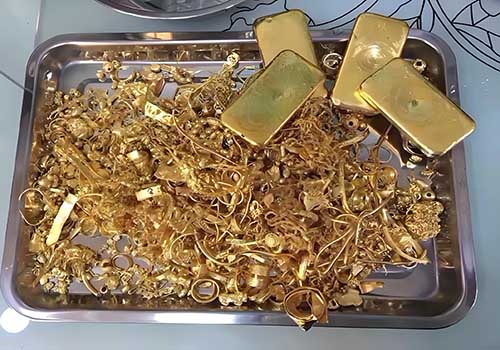
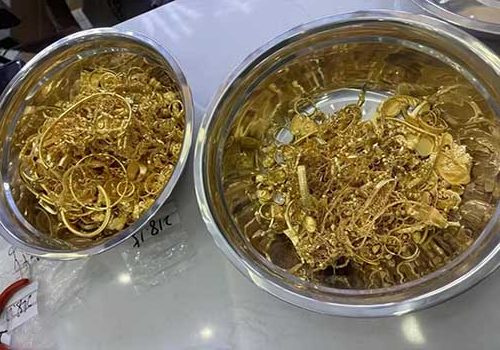
In the precious metal supply chain, gold refining has long been the critical bridge between unrefined scrap, mined ore, and high-purity bullion. For decades, traditional pyrometallurgical smelting served basic melting needs, but it routinely struggled with high metal loss, inconsistent purity, and severe environmental pollution. As the industry demands stricter quality control and zero gold loss, advanced chemical purification has replaced crude smelting as the gold standard.
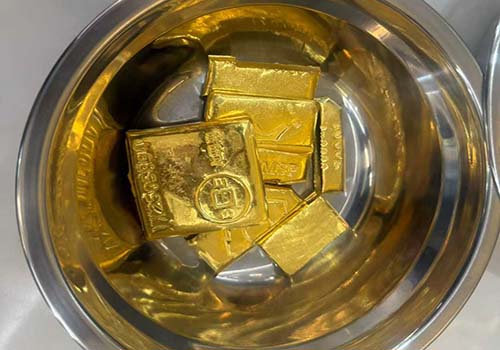
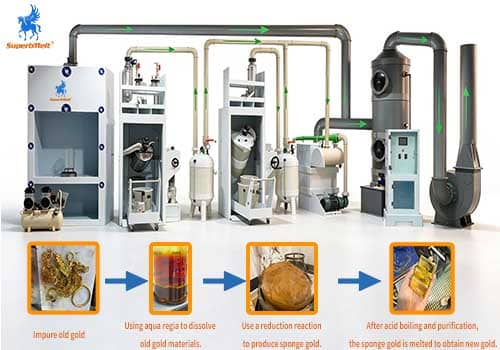
SuperbMelt’s gold refining equipment represents the next generation of this processing evolution, harnessing high-precision Aqua Regia (royal water) technology to chemically dissolve and isolate impurities at the molecular level. Engineered for precision and operational flexibility, our systems feature a standardized 3–10 kg per batch capacity that reliably yields 99.99% (4N) pure gold, with modular options available to match your exact production scale.
Our chemical processing stage seamlessly integrates high-purity titanium reactors for aqua regia dissolution, automated stirring PP reduction tanks for optimal gold precipitation, and mobile filter carts for rapid sponge gold recovery. Operating fume hoods provide isolated environments for both raw material pre-treatment and final sponge gold washing, ensuring a clean feed and maximum yield.
To guarantee maximum workplace safety and environmental compliance, the entire system operates under a dedicated negative-pressure exhaust architecture. By pairing reaction fume hoods with multi-stage scrubber towers and high-efficiency centrifugal fans, all acidic mist and hazardous fumes are fully neutralized before discharge. This integrated approach allows refiners and jewelers to transform raw scrap into investment-grade gold with zero acid leakage and absolute purity control.
Gold Refining Process
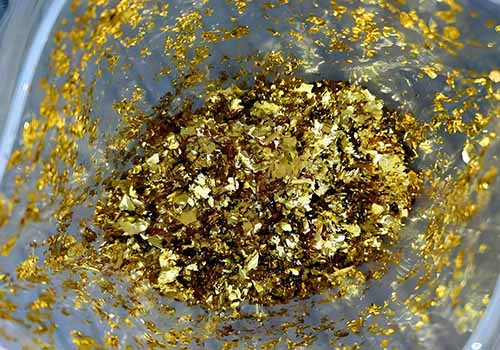
SuperbMelt’s gold refining process operates through a seamless, 4-stage workflow: raw gold materials are first pre-treated and sampled at the operating table fume hood; the feed is then transferred to a high-purity titanium reactor within the reaction fume hood, where aqua regia and automated stirring convert it into a chloroauric acid solution while the vertical tank buffers system pressure; next, after passing through a mobile filter cart, the clear liquid is mixed with reducing agents in the PP reduction tank to precipitate high-purity sponge gold powder; finally, the recovered sponge gold undergoes secondary sulfuric acid washing before melting, while the negative pressure unit, centrifugal fan, and multi-stage scrubber tower continuously draw, neutralize, and safely discharge all acidic exhaust gases to ensure complete environmental compliance.
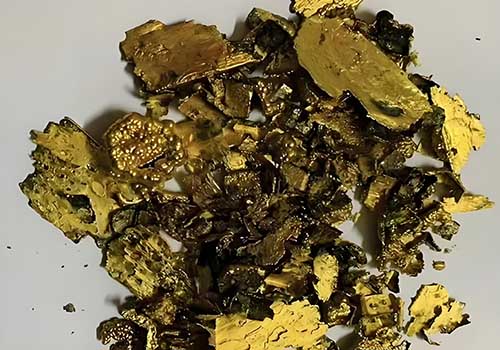
1st Dissolving Gold with Aqua Regia
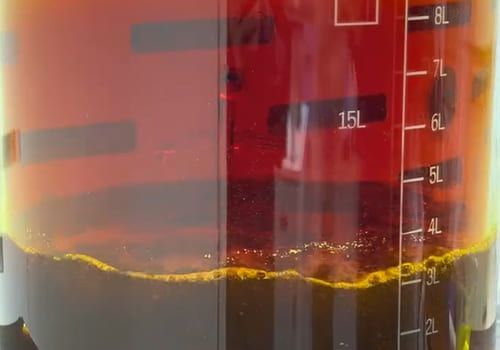
2nnd Precipitating Sponge Gold
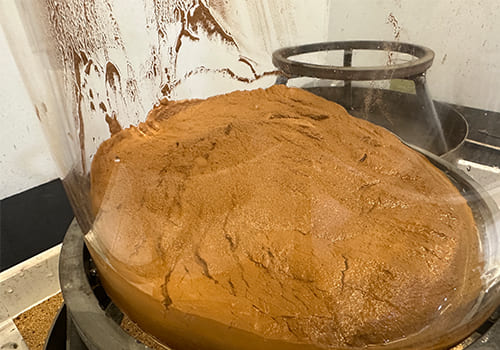
3th Washing the Sponge Gold
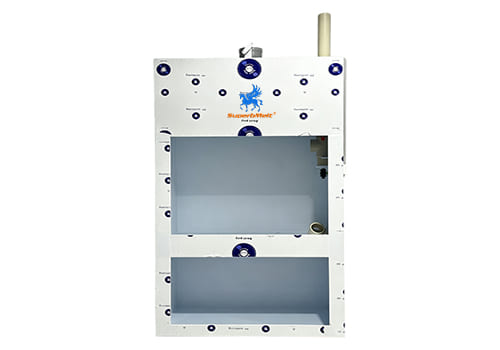
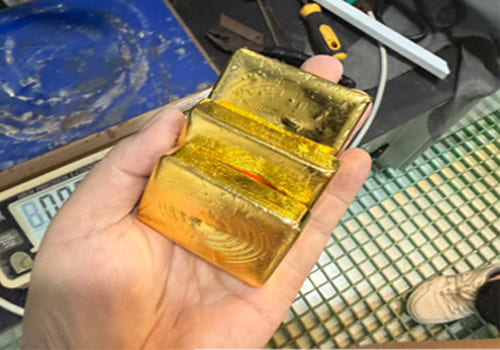
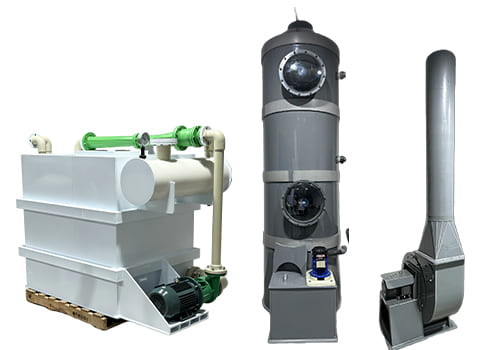
4th Exhaust Gas Treatment

1st Dissolving Gold with Aqua Regia


2nd Precipitating Sponge Gold


3th Washing the Sponge Gold


4th Exhaust Gas Treatment

The SuperbMelt Gold Refining Process
From raw material to high-purity sponge gold, our integrated gold refining production line combines precision chemical processing with a dedicated exhaust treatment system — ensuring both refining efficiency and a safe, compliant working environment.
Step 1 — Material Pre-Treatment & Sponge Gold Washing
(Operating Table Fume Hood)
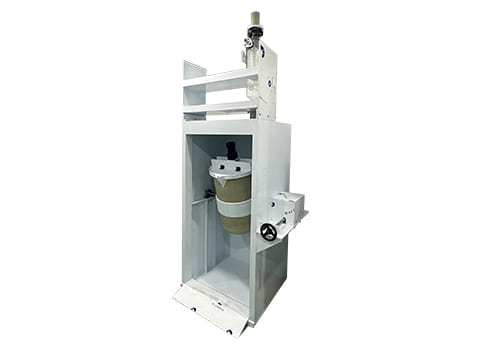
The process begins in a fully ventilated operating station where raw materials are pre-treated and sample-prepared, and sponge gold undergoes sulfuric acid washing to remove secondary impurities. This gives every batch a clean, consistent feedstock before it enters the refining line.
Step 2 — Aqua Regia Dissolution
(Reaction Fume Hood + High-Purity Titanium Reactor)
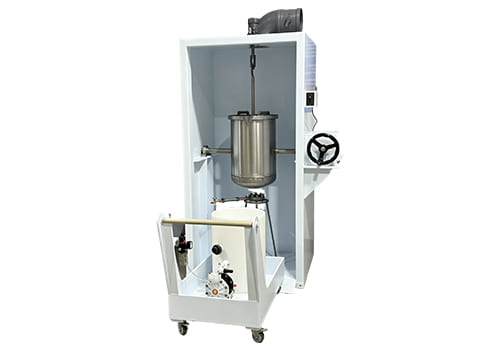
Gold-bearing material is dissolved under aqua regia conditions inside a corrosion-resistant, high-purity titanium reactor with automatic stirring. The Reaction Fume Hood contains and exhausts acidic gases throughout, while the reactor’s uniform mixing accelerates the reaction and maximizes gold dissolution efficiency — converting raw gold into a chloroauric acid solution.
Step 3 — Process Buffering & By-Product Collection
(Vertical Collection Tank)
As the reaction proceeds, a corrosion-resistant vertical collection tank captures trace gases and liquid by-products, buffering pressure fluctuations across the pipeline and keeping the entire system running smoothly and stably.
Step 4 — Controlled Reduction & Gold Precipitation
(Reduction Fume Hood)
The chloroauric acid solution moves to a ventilated reduction station with a PP reduction tank and automatic stirring. Here, the reducing agent reacts thoroughly and evenly with the solution, precipitating gold ions into high-purity sponge gold.
Step 5 — Solid-Liquid Separation & Gold Recovery
(Filter Cart)
A mobile filter cart rapidly separates the solid sponge gold from the residual liquid, recovering clean gold material and streamlining transfer to the next stage — washing, drying, and melting.
Integrated Exhaust Gas Treatment System
Running in parallel with every stage above, SuperbMelt’s 3-unit exhaust treatment system protects operators and keeps emissions compliant:
- Negative Pressure Unit — continuously draws acid mist and trace gases from all front-end refining equipment into a centralized collection line, preventing gas diffusion into the workspace.
- Scrubber Tower — a multi-stage spray tower using circulating alkaline solution to neutralize acidic exhaust gases before discharge.
- Centrifugal Fan — a high-airflow, low-noise fan that powers the entire exhaust system and safely releases fully treated air to the outside environment.

2 years warranty
The warranty for our machine is one year longer than the warranty provided by other factories.

ISO CE SGS approved
Professional certification bodies certify that the machines are of high quality.

Strong service team
We will give response within 24 hours against your problem by our professional engineer.
FAQ Guide of Gold Refining Equipment
- 1. Does this equipment refine gold and silver together in one step?
- 2. How is silver recovered when silver content is high (roughly equal to or greater than gold)?
- 3. How is silver recovered when silver content is low?
- 4. What is the acid ratio and volume used in dissolution?
- 5. Which metals dissolve in aqua regia, and which don't?
- 6. What reducing agents are used?
- 7. What chemical is used in the exhaust scrubber?
- 8. What precautions should operators follow?
- 9. How long does a full refining cycle take?
- 10. Can purity be improved further after the standard process?
- 11. What are the specifications of the core reactor?
- 12. How does the exhaust and spray system work?
- 13. What controls the liquid dosing?
- 14. What does the control cabinet manage?
- 15. What raw materials can this equipment process?
- 16. What is the processing capacity?
- 17. What maintenance does the equipment require?
- 18. Do you provide installation and training?
- 19. What are the power requirements?
1. Does this equipment refine gold and silver together in one step?
Not directly. Aqua regia also dissolves silver, but the resulting silver chloride cannot be filtered out during gold refining — it stays mixed in. When raw material contains meaningful silver content, a separate silver recovery step is required, chosen based on the silver-to-gold ratio.
2. How is silver recovered when silver content is high (roughly equal to or greater than gold)?
The material is enriched to over 60% silver, then electrolyzed to extract the silver first. The resulting anode slag — which still contains gold and other impurities — is then processed through the standard aqua regia gold refining line.
3. How is silver recovered when silver content is low?
Gold is refined first via aqua regia. The resulting sludge is thoroughly washed to remove residual chloride ions (difficult to fully eliminate, since aqua regia itself contains chlorides), then dissolved in nitric acid, precipitated with salt to form silver chloride, and finally reduced using a sugar-alkali process. If silver content is very low, recovery is generally not recommended, as the process becomes complex relative to the yield.
4. What is the acid ratio and volume used in dissolution?
Hydrochloric acid and nitric acid are combined at a 3:1 ratio to form aqua regia. Roughly 6 liters of aqua regia are needed to dissolve 500g of gold.
5. Which metals dissolve in aqua regia, and which don't?
Copper, palladium, platinum, and rhodium dissolve in aqua regia, while titanium and silver do not. If copper content is high, it should be pre-dissolved separately with nitric acid — excess copper in the aqua regia stage can hinder gold from dissolving properly.
6. What reducing agents are used?
Anhydrous sodium sulfite (powder) is the most commonly used reducing agent and selectively reduces only gold. Sodium sulfide can reduce all metals present (platinum, palladium, rhodium, etc.) at once — the resulting mud is then re-refined with aqua regia to isolate the gold, with additional reduction rounds needed for other metals. Hydrazine hydrate is another option for reducing excess metals, but it is a controlled substance and difficult to source.
7. What chemical is used in the exhaust scrubber?
A sodium hydroxide (NaOH) alkaline solution, which neutralizes acidic exhaust gases before discharge.
8. What precautions should operators follow?
Key points include: avoid adding excess aqua regia, as too much acid makes reduction harder; waste acid must be collected separately in two buffer tanks (the first holding aqua regia residue, the second mainly wastewater); after reduction, only solid sponge gold remains and the liquid becomes wastewater for treatment; urea is added at the start of the reduction step (before the reducing agent) to suppress fumes and neutralize acidity, preventing gold from redissolving — typically around 500g urea per 1–3kg of gold; and other electrical equipment should be kept away from the refining line to protect its service life. Liquid dosage isn’t fixed — it depends on addition speed, temperature, and stirring, with the reaction’s completeness as the guide.
9. How long does a full refining cycle take?
Heating and melting takes about 1 hour, impurity filtration about 30 minutes, reduction about 1 hour, followed by washing and filtration — at least 3 hours total, not including subsequent melting and ingot casting.
10. Can purity be improved further after the standard process?
Yes. Boiling the recovered sponge gold in sulfuric acid can further remove impurities and raise purity (for example, from 999.3 to 999.5+). Reaching four-nines purity is possible but challenging and depends heavily on the raw material — jewelry-grade scrap generally purifies more easily than mixed recycled material.
11. What are the specifications of the core reactor?
The reactor has a capacity of about 50L, with dimensions of roughly 480mm (diameter) × 600–700mm (height). Solids and liquids added should not exceed one-third of the tank’s volume.
12. How does the exhaust and spray system work?
The spray system uses alkaline solution to neutralize acidic gases before they leave the system, so no acidic gas is released indoors. A jet ejector unit generates negative pressure to draw in fumes from every preceding process stage.
13. What controls the liquid dosing?
A pneumatic diaphragm pump precisely controls the amount of liquid entering the system.
14. What does the control cabinet manage?
It controls the motors used for dissolution, along with the water pumps and blowers throughout the line.
15. What raw materials can this equipment process?
The line accepts a wide range of gold-bearing raw materials — low-grade material, recycled scrap, concentrates, and material mixed with non-metallic substances — in almost any form or concentration, without a strict minimum grade requirement.
16. What is the processing capacity?
A typical batch cycle runs about 3–5 hours and can process roughly 1–5kg of gold per batch (smaller batches under 1kg are also workable).
17.What maintenance does the equipment require?
Minimal routine maintenance is needed. The main wear points are the motor in the dissolution/reduction unit, which is prone to corrosion, and the water pump, which may occasionally need replacement.
18. Do you provide installation and training?
Yes, installation and operator training are conducted on-site.
19. What are the power requirements?
The jet ejector pump draws the most power, typically several kW on a 3-phase 380V supply. The water pumps and related components need a small air compressor — around 1kW is sufficient.


© Copyright 2008-2026 Superb Electromachinery Co., Limited