Sheet Rolling Machine Manufacturer

Professional sheet rolling machine manufacturer since 2009 — electric rolling mills for gold, silver, copper, and platinum sheet production, CE/ISO/SGS certified, serving 50+ countries

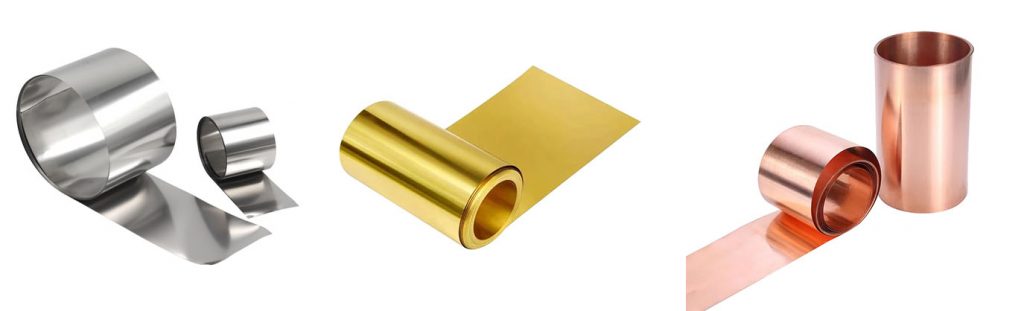
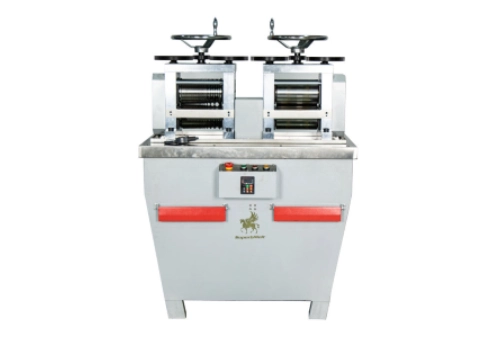
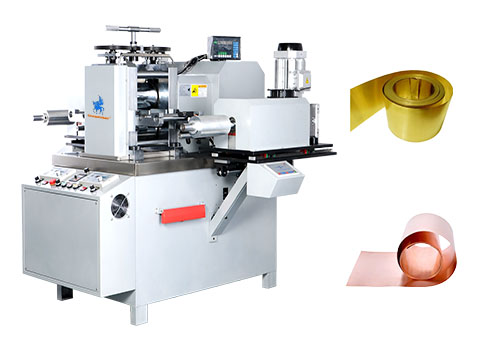
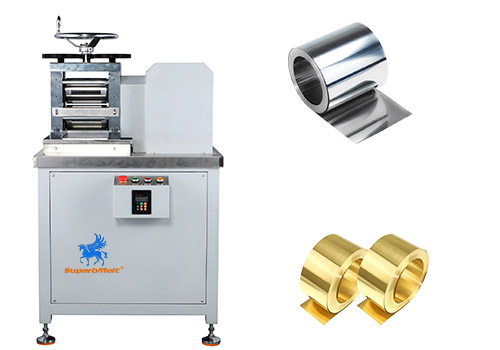
SuperbMelt is a professional sheet rolling machine manufacturer specializing in electric rolling mills for precious and industrial metal sheet production. Our machines flatten gold, silver, copper, platinum, and alloy ingots or castings into uniform sheets with precise thickness control, from 12mm input down to 0.1mm finished output.

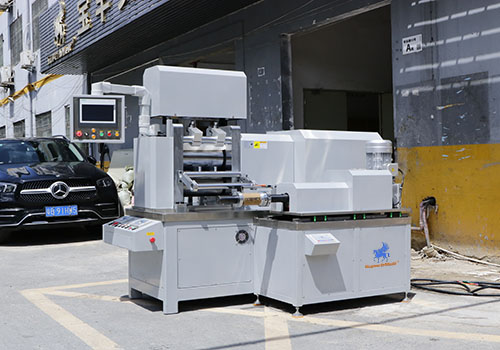
With 15+ years of manufacturing experience, our sheet rolling mills are used by jewelry manufacturers, precious metal refineries, coin blanks producers, and industrial metal processing facilities in over 50 countries. Each machine is built with hardened steel rollers, variable frequency speed control, and adjustable gap settings to handle a wide range of metals and output specifications.

ISO / CE / SGS certified. Factory-tested before shipment. 2-year warranty. Dedicated after-sales team available in your time zone.

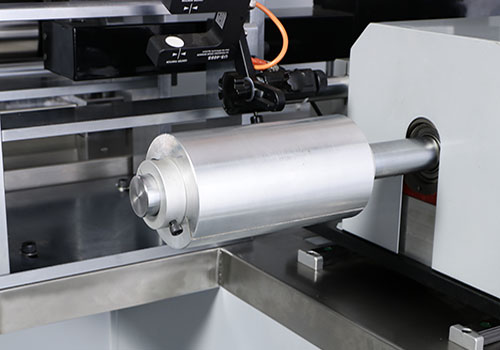
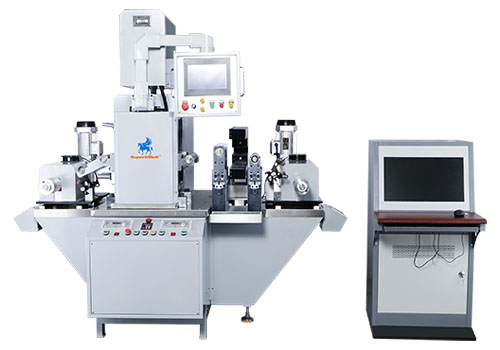
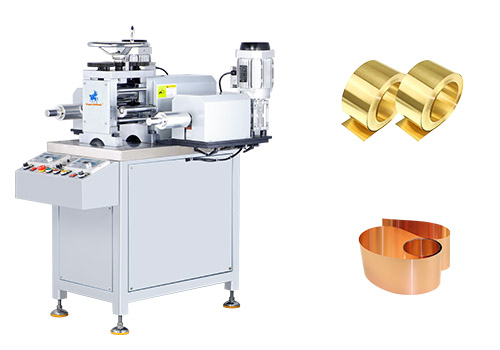
Equipped with a rewinding function, ensuring product straightness and dimensional stability

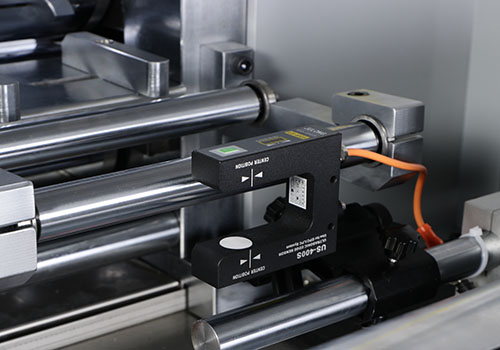
Alignment device to prevent sheet displacement causing uneven pressing thickness

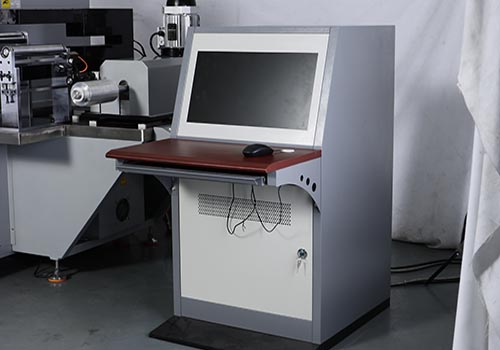
PLC Thickness Gauge: The online thickness measurement function allows for real-time monitoring of sheet thickness

Why SuperbMelt Sheet Rolling Machine Manufacturer

Professional R&D Team:
Over 15 years R&D experience in gold machinery with a top engineer team supported
High Quality:
Only choose famous brand main electric components for production
ISO CE SGS Approved:
Professional certification bodies certify that the machines are of high quality
    Any Question About SuperbMelt Sheet Rolling Machine Manufacturer

    About SuperbMelt Sheet Rolling Machine Manufacturer Guide

    Chapter 1:

    Sheet Rolling Machine Auto-Coiling Function — How It Works and Why It Matters

    Enhanced Production Efficiency:

    By eliminating the need for manual intervention and enabling continuous operation, automatic take-up increases efficiency.
    Quality Control:

    By minimizing possible damage or contamination that may happen during manual handling, automatic recoiling helps preserve the final product’s flatness and cleanliness.
    Space Saving:

    Compared to manual operations, automatic recoiling systems often take up less room, freeing up important workspace space.
    Enhanced Safety:

    It lowers the likelihood of workplace injuries by reducing the frequency of direct worker-machine interaction.
    Stable and Repeatable Product Dimensions:

    Automatic recoilers can preserve consistent roll-up according to predetermined settings, guaranteeing stability and repeatability in product dimensions.

    Chapter 2:

    Alignment Correction in Sheet Rolling Mills — Preventing Material Drift and Thickness Variation

    Prevents Material Shift: Throughout the rolling process, the material is kept correctly aligned thanks to the straightening system’s ability to automatically detect and modify the position of the material feed. This keeps the content from straying from its intended course.

    Enhances Product Quality: Straightening helps prevent problems like uneven thickness or jagged edges by making sure the material travels through the rollers consistently, which improves the overall quality of the final product.
    Minimizes Material Waste: Proper straightening of the material feed position helps reduce waste from material shift, which results in fewer rejections and less reprocessing and lowers production costs.

    Boosts Production Efficiency: By minimizing machine downtime and adjustment delays brought on by material transitions, straightening helps the production line run more smoothly and continuously.

    Adapts to Different Materials: The versatility and flexibility of modern straightening systems are increased by their ability to handle materials with varying widths and thicknesses.

    Chapter 3:

    What is The Difference between Double Head Rolling Machine and Ordinary Electric Rolling Mill?

    Traditional sheet rolling relies on operators stopping the machine periodically to measure output thickness with a manual caliper — a time-consuming process that inevitably produces off-spec sheet between measurement intervals.

    SuperbMelt’s PLC online thickness measurement system resolves this by providing continuous, real-time digital thickness display throughout the entire rolling process. Here is what this means in practice:

    • Guarantees Product Consistency
      The thickness gauge monitors output continuously, detecting any variation from the target specification immediately. The operator can adjust the roller gap in real time without stopping production — ensuring every meter of output sheet meets the required tolerance from the first pass to the last.
    • Eliminates Manual Measurement Downtime
      By removing the need for periodic stop-measure-adjust cycles, PLC thickness monitoring increases effective production time by 15–25% in a typical jewelry factory setting. A rolling operator can process significantly more material per shift with fewer interruptions.
    • Reduces Material Waste
      Off-spec sheet produced between manual measurement intervals is wasted material. Real-time thickness feedback reduces this waste window to near zero — an important cost saving when processing gold, platinum, or silver at current precious metal prices.
    • Supports Process Optimization
      Thickness data logged during production provides a complete record of the rolling session — roller gap settings, reduction per pass, material behavior — enabling operators to optimize their rolling programs for new alloys or different target thicknesses over time.
    • Meets Quality Documentation Requirements
      For customers supplying to electronics, medical, or aerospace industries, thickness records are a quality compliance requirement. PLC data output provides traceable, exportable thickness logs for every production batch.
    Apply Our Best Quotation


      1. What are rolling mills mainly used for? What metals are they suitable for?

      Rolling mills are primarily used in metalworking to reduce the thickness of metal stock, flatten it, and shape it into desired forms such as sheets, wires, bars, or strips. They work by passing the metal between one or more pairs of rolls that compress and elongate it.

      Main Uses of Rolling Mills:

      1. Metal Thickness Reduction

        • Flattening ingots or cast billets into sheets or strips.

      2. Wire and Bar Forming

        • Creating round, square, or custom-shaped wire and bars for jewelry or industrial use.

      3. Surface Finishing

        • Producing smooth or patterned finishes (e.g., matte, mirror, or textured).

      4. Precise Sizing and Tolerance Control

        • Especially important in electronics, watchmaking, and coin minting.

      5. Goldsmith and Jewelry Applications

        • Forming gold/silver sheets and wires for ring shanks, bangles, pendants, etc.

      Types of Metals Suitable for Rolling Mills:

      Rolling mills are suitable for both precious metals and non-precious metals, including:

      Precious Metals

      • Gold – Soft and easy to roll; often used in jewelry-making.

      • Silver – Similar to gold, ideal for thin sheets and wires.

      • Platinum – Requires more force but still workable with precision rolling mills.

      • Palladium – Softer than platinum, can be rolled for fine jewelry.

      Non-Precious Metals

      • Copper – Very malleable, widely used in electrical and artistic applications.

      • Brass – Common in decorative and functional components.

      • Aluminum – Lightweight; used in industrial and consumer products.

      • Nickel – Harder; used in coinage and industrial parts.

      • Steel/Stainless Steel – Needs heavy-duty rolling mills due to hardness.

       Summary Table

      Metal TypeWorkability in Rolling MillCommon Uses
      GoldVery easyJewelry sheets, wires
      SilverVery easyJewelry, silverware
      PlatinumModerateFine jewelry, dental parts
      CopperVery easyElectrical parts, arts
      BrassEasyHardware, decorative trim
      AluminumEasyFoils, casings, panels
      NickelModerate to hardCoins, battery components
      SteelHardIndustrial sheets, machine parts

      2. What’s the difference between SuperbMelt’s electric rolling mills and manual rolling mills?

      1. Power & Operation

      FeatureElectric Rolling MillManual Rolling Mill
      OperationPowered by an electric motorOperated by hand crank
      Effort RequiredMinimal manual effortRequires physical strength
      SpeedFaster and consistentSlower and user-dependent

      2. Productivity & Efficiency

      FeatureElectric Rolling MillManual Rolling Mill
      ThroughputHigh — suitable for continuous or large-batch workLow — best for small-scale tasks
      Precision ControlElectric models often offer better thickness controlControl depends on user’s skill
      Time EfficiencySaves time in repetitive operationsTime-consuming for larger jobs
      FeatureElectric Rolling MillManual Rolling Mill
      Best ForMedium to large jewelry workshops, professional metalworkersHobbyists, small studios, beginners
      Material TypesHandles thicker, harder metals more easilyBetter for thinner, softer metals
      Recommended UseHigh-volume wire and sheet productionOccasional forming or texturing

      3. What are the advantages of a double-head rolling mill?

      A double-head rolling mill combines flat and wire rolling functions into one compact machine, saving space and cost. It allows jewelers to quickly switch between rolling metal sheets and shaping wires, boosting efficiency and workflow. Suitable for materials like gold, silver, copper, and platinum, it delivers precise, consistent results ideal for both hobbyists and professional workshops. This versatile and cost-effective tool is perfect for those seeking to improve productivity without investing in multiple machines.

      4. What types of metal wire can a wire rolling mill produce?

      A wire rolling mill can produce various types of metal wire, including round, square, and flat shapes. It works with metals such as gold, silver, copper, platinum, and their alloys, making it ideal for crafting jewelry chains, ring wires, and other fine metal components. This versatility allows jewelers to create customized wire profiles suited to different design and functional needs.


      询问 ChatGPT

      5. What is the maximum feed thickness and minimum output thickness for rolling mills?

      The maximum feed thickness and minimum output thickness of rolling mills vary by model. For example, SuperbMelt sheet rolling machine models support maximum input thickness of up to 25mm (SPB-YP-12PZQ model) and can reduce output sheet to a minimum thickness of 0.03mm (1–0.03mm range on mid-range model). The precise capability depends on the specific model and the target metal. Please refer to the Parameters table on this page for model-by-model specifications, or contact our team with your material and thickness requirements for a confirmed recommendation. Specific capabilities depend on the machine’s design and intended use, so it’s best to refer to the product specifications for precise details.

      6. How does SuperbMelt ensure rolling precision?

      SuperbMelt ensures rolling precision by using high-hardness tool steel rollers that are precisely ground for smooth and even surfaces. The machines are equipped with fine-tuning screw systems that allow accurate adjustment of roller gaps, ensuring consistent thickness and flatness without surface waviness. This combination of durable materials and precise mechanical control guarantees high-quality, uniform metal rolling suitable for delicate jewelry manufacturing.


      询问 ChatGPT

      7. Is the equipment noisy? Can it run continuously?

      SuperbMelt rolling mills are designed with low-noise motors to minimize operational sound. They support continuous, long-duration use without overheating, making them suitable for factory and workshop environments that require stable, around-the-clock production.


      询问 ChatGPT

      8. Can you customize roller textures or rolling dimensions?

      Yes, SuperbMelt offers customization options for roller textures and rolling dimensions. Customers can request special roller patterns such as wave, sandblast, or embossing textures, as well as non-standard rolling sizes to meet specific metal processing needs.

      9. Is the rolling mill safe to operate? Does it have an emergency stop function?

      ChatGPT 说:

      Yes, SuperbMelt rolling mills are designed with safety in mind. They come equipped with emergency stop buttons, protective guards, and overload protection systems to ensure operator safety during use.

      10. Is the rolling mill suitable for hard metals like platinum?

      Yes, SuperbMelt rolling mills, especially the high-tonnage electric models, are suitable for rolling hard metals such as platinum and palladium. For these applications, it’s recommended to choose reinforced rollers and higher-power motors to handle the increased hardness effectively.


      询问 ChatGPT

      11. What maintenance is required for the equipment?

      Regular maintenance for the rolling mill includes daily cleaning of metal debris from the roller surfaces, periodic lubrication of moving parts, and routine inspection of the motor and transmission components to prevent wear and rust. Proper maintenance ensures smooth operation and extends the machine’s service life.

      12. Can the rolling mill be used with other machines?

      ChatGPT 说:

      Yes, the rolling mill can be integrated with other equipment such as annealing furnaces, wire drawing machines, and cutting tools to form a complete metal processing production line, enhancing overall workflow efficiency.

      13. What is the warranty period, and what after-sales services are offered?

      SuperbMelt offers a 2-year warranty on its rolling mills, which is one year longer than the industry standard. SuperbMelt offers a 2-year warranty on all sheet rolling machines — one year beyond the industry standard 1-year warranty. Warranty covers mechanical components, electrical systems, and manufacturing defects.

      After-Sales Services:
      – 24-Hour Support: Technical enquiries and operational issues responded to within 24 hours by our after-sales engineering team via email, WhatsApp, or video call
      – Free Replacement of Faulty Parts: Warranty-covered spare parts dispatched via express courier within 24 hours at no additional cost
      – Remote Commissioning Support: Video-call guided installation and first-run support for all new machines
      – Roller Replacement & Resurfacing: Available for all models throughout machine service life, with worldwide shipping

      This comprehensive after-sales support ensures that customers receive timely assistance, minimizing downtime and maintaining the efficiency of their operations.

      14. Can beginners operate the machine? Is professional training required?

      Yes, beginners can operate SuperbMelt rolling mills with ease. The machines are designed with user-friendly controls and come with detailed operation manuals and instructional videos. Additionally, SuperbMelt offers remote video training and real-time support to help new users quickly learn how to use the equipment safely and efficiently. While professional training is not strictly required, it is recommended to ensure optimal operation and maintenance.


      询问 ChatGPT

      15. Can the rollers be replaced if damaged?

      Yes, the rollers on SuperbMelt rolling mills are designed to be replaceable. They feature a modular construction that allows users to easily remove and swap out damaged or worn rollers. This design helps extend the machine’s lifespan and allows for upgrades or customization with different roller types or textures as needed.

      16. Can the same machine process different metals?

      Yes, the same rolling mill can process different metals such as gold, silver, platinum, copper, and their alloys. However, it is recommended to thoroughly clean the rollers between processing different metals to avoid cross-contamination and maintain the quality and appearance of each metal. Proper cleaning helps prevent any unwanted reactions or discoloration caused by metal residues.

      17. What is the difference between a sheet rolling mill and a flat rolling mill

      Sheet rolling mill” and “flat rolling mill” refer to the same type of machine — a rolling mill with smooth, flat rollers used to reduce metal thickness and produce flat sheet output. In the jewelry and precious metals industry, the term “sheet rolling mill” or “sheet rolling machine” is most commonly used. In industrial metalworking, the term “flat rolling mill” or “flat roll mill” is more common. SuperbMelt’s machines are suitable for both jewelry-scale precious metal sheet production and industrial copper or brass flat rolling applications.

      Scroll to Top