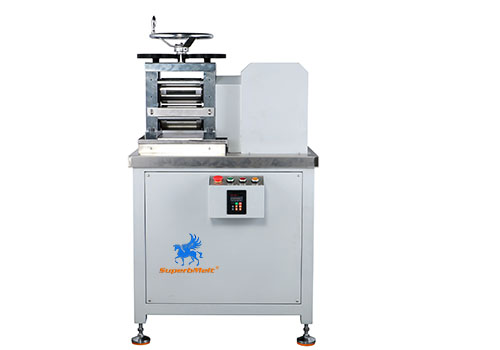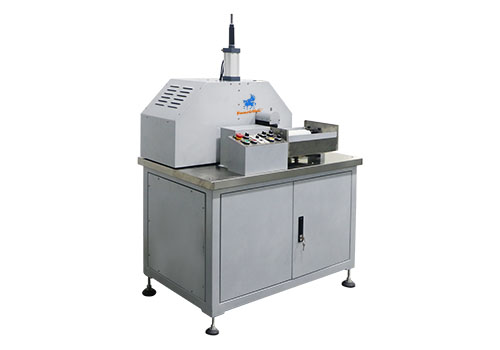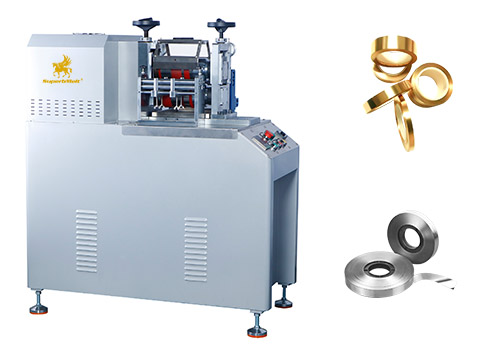
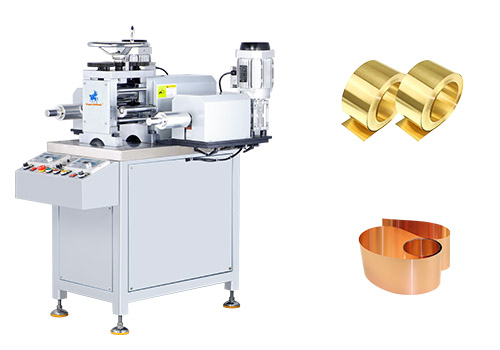
Gold Sheet Rolling Machine
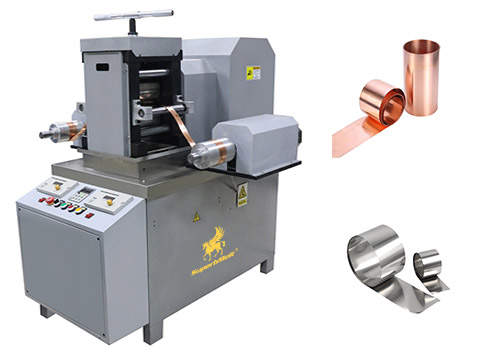
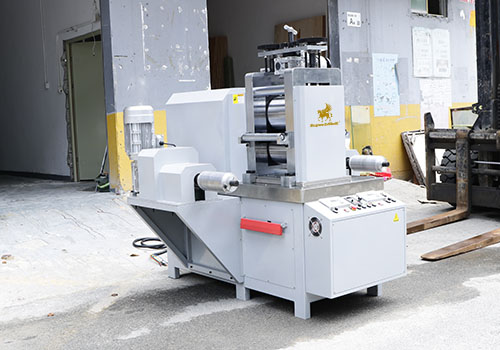
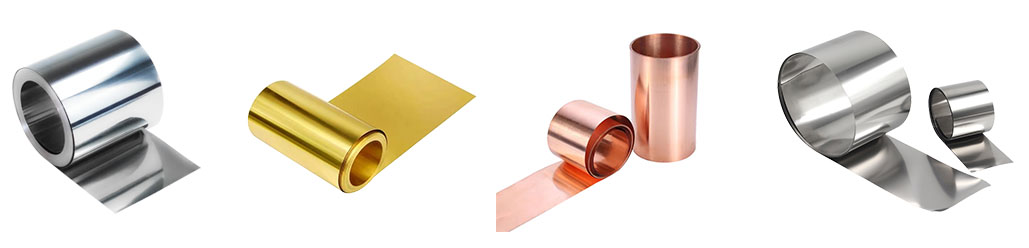
SuperbMelt gold sheet rolling machines roll gold, silver, platinum, and copper into consistent-thickness sheets — essential for jewelry ring, necklace, and bracelet manufacturing.
The SuperbMelt gold sheet rolling machine series (models 5P to 30P) is designed for jewelry manufacturers, precious metal workshops, and gold coin producers who require consistent, high-precision sheet thickness from gold, silver, platinum, and copper.
Each model uses tungsten steel rollers to achieve a smooth, burr-free surface finish on rolled sheets — critical for downstream processes including stamping, engraving, and electroplating. The automatic lubrication system reduces maintenance time and prevents roller damage during continuous production runs.
Available configurations include single-head models for small studios and double-head models for high-volume factories. The upgraded wire-wrapping design reduces changeover time between sheet and wire rolling, saving labor costs on mixed production lines.
CE and ISO certified. 15+ years of jewelry machinery manufacturing experience. Factory direct with 2-year warranty and 24-hour engineer support.
Gold Sheet Rolling Machine vs. Gold Rolling Machine: Which Do You Need?
The Gold Sheet Rolling Machine (this page) is optimized for producing flat metal sheets of consistent thickness. It is the correct choice if your primary output is sheet stock — for stamping blanks, coin discs, flat plate jewelry, or downstream sheet-metal processes.
If you need a combination machine that rolls both wire and sheet in a single unit — common in jewelry workshops producing chains, rings, and formed wire components — see our dedicated Gold Rolling Machine for Jewelry page.
Both machines use the same FLMM-series platform and share the same roller materials, lubrication system, and after-sales support. The choice is based on your output type, not machine quality.
- High precision, with finished products reaching up to 0.04mm (tin).
- High hardness, using imported rollers with a shaft hardness of 60-62HRC.
- Dual-sided coil handling significantly enhances production efficiency and product qualification rate.
- Precise downward pressure adjustment, with roller gap easily adjustable by rotating the turntable, ensuring accuracy.
- Adjustable coil tension, employing highly sensitive adjustable magnetic powder tensioner to prevent breakage due to excessive tension.
- Easy operation, featuring a concise panel design for clear and straightforward operation.
| Model number | SPB-YP-3PZQ | SPB-BF-YP10P | SPB-BF-YP-12 |
| Power supply | Three phase 380V, 50/60Hz | Three phase 380V, 50/60Hz | 380V/50Hz, Three-phase |
| Power | 2.2 kw adjustable | 7.5 kw adjustable | 9kw |
| Applicable metal | Platinum, palladium, gold, K-gold, silver and copper | Platinum, palladium, gold, K-gold, silver and copper | Platinum, palladium, gold, K-gold, silver and copper |
| Rolling sheet thickness | 0.1-28mm(gold) | 0.1-28mm(gold) | 0.05mm (Tin)-25mm |
| Rotating speed | 20 rpm (adjustable) | 18 rpm (adjustable) | rpm (Adjustable) |
| Lubrication method | Automatic oil supply | Automatic oil supply | Automatic oil supply |
| Dimension | 800x800x1500mm | 1030*715*1350mm | 1340*1820*1470mm |
| Weight | 450KG | 700KG | 980kg |
| Final shaft size (D*L) | 100x150mm | 140*180mm | 150*210mm |
| Rolling sheet width | Within 60mm | Within 60mm | Within 60mm |
Primary Applications — Jewelry & Precious Metals
- 1. Jewelry Manufacturing (Rings, Necklaces, Bracelets, Earrings) The gold sheet rolling machine produces high-quality metal foils used as the base material for stamped, die-cast, and fabricated jewelry. Consistent sheet thickness (±0.01mm tolerance on advanced models) is essential for achieving uniform wall thickness in hollow jewelry structures and precise fit in assembled pieces.
- Typical thickness range for jewelry sheet stock: 0.1mm to 2.0mm. Compatible metals: 24K gold, 18K gold alloys, K-gold, sterling silver, platinum, copper.
- 2. Gold Coin and Commemorative Item Production Coin blanks require precise thickness uniformity across the entire disc — any variation causes uneven striking and reduces production yield. The SuperbMelt sheet rolling machine achieves ±0.005mm thickness consistency on precious metal coin blanks, meeting mint-grade production requirements.
- Compatible with: 24K gold, silver 999, platinum, gold-silver alloys.
- 3. Gold Bar and Bullion Sheet Processing Rolling cast gold bars into flat sheet stock for downstream cutting, stamping, or further processing. The machine handles input stock from 5mm down to finished sheet thickness in multiple passes, with the automatic lubrication system preventing surface marks during multi-pass rolling.
- 4. Metal Crafts and Engraving Blanks Produces flat metal sheets for engraved plaques, decorative art pieces, trophy blanks, and commemorative badges. The smooth tungsten steel rollers create a consistent surface finish that requires minimal polishing before engraving or embossing.
Secondary Applications — Industrial (Optional — Move to Page Footer)
- Metalworking and Precision Engineering The rolling machine produces precision metal sheet stock for components requiring close dimensional tolerances in mechanical assemblies.
- Electronics Industry Used to produce thin metal foils and sheets for circuit board components and electronic enclosures where consistent thickness and surface quality are required.
Note: For automotive and aerospace sheet rolling at industrial scale, see SuperbMelt’s four-axis rolling machine series.
Which Model Is Right for You?
| Specification | Model 5P | Model 10P | Model 20P | Model 30P |
|---|---|---|---|---|
| Best For | Small jewelry studios, repair shops | Mid-size workshops, mixed metals | SME factories, batch production | Large OEM factories, continuous lines |
| Applicable Metals | Gold, silver, K-gold, copper | Gold, silver, platinum, copper | Gold, silver, platinum, stainless steel | All metals incl. harder alloys |
| Minimum Sheet Thickness | ~0.3mm | ~0.2mm | ~0.1mm | ~0.05mm |
| Maximum Input Thickness | ~8mm | ~10mm | ~15mm | ~20mm |
| Roller Material | Tungsten steel | Tungsten steel | Tungsten steel (hardened) | Tungsten steel (hardened) |
| Suitable Daily Output | ≤50kg/day | 50–150kg/day | 150–500kg/day | 500kg+/day |
| Double-Head Option | No | Optional | Yes | Yes |
| Recommended User | Artisan jeweler, custom studio | Mid-size jewelry workshop | Jewelry OEM, coin manufacturer | Large-scale precious metal processing |
Note: Exact specifications vary by configuration. Contact SuperbMelt for a detailed spec sheet for your specific material and thickness requirements.
Why SuperbMelt Gold Sheet Rolling Machine


Any Question About SuperbMelt Gold Sheet Rolling Machine
Gold Sheet Rolling Machine Core Guide
Product-Focused
Core Function Analysis
The SuperbMelt Gold Sheet Rolling Machine features an automatic coiling function that delivers multiple production advantages: precise tension control during rolling, uniform sheet thickness, neat coiling of the output material, and reduced post-processing time. This automation significantly improves workflow efficiency.
The machine supports an adjustable rolling range in both thickness and width, allowing for fine precision control to meet diverse production requirements. It is capable of processing a variety of metals, including platinum, gold, silver, and various alloys, ensuring flexibility across different manufacturing sectors.
Technical Highlights
-
High-precision rolling rollers designed to produce smooth, flat, and defect-free metal surfaces.
-
High operational efficiency and stability, engineered for long-term continuous production without performance loss.
-
Energy-saving design that reduces operational costs while ensuring a long service life for the equipment.
User-Focused
Large-Scale Gold and Silver Jewelry Manufacturers
These manufacturers demand high-volume, high-precision metal sheet production to reduce labor costs, minimize processing time, and maintain exceptional quality standards in mass production. The SuperbMelt Gold Sheet Rolling Machine’s automated coiling and precision control capabilities make it an ideal choice for industrial-scale operations.
Small to Medium-Sized Metalworking Workshops
Workshops with varied production needs benefit from the machine’s flexibility in handling different metals while maintaining consistent thickness and surface quality. This improves overall productivity and ensures uniform results across batches.
High-End Custom Metal Product Artisans
Artisans working on bespoke projects require meticulous control over metal thickness and surface finish to bring intricate creative designs to life. The SuperbMelt machine offers the precision and reliability needed for premium custom craftsmanship.
Industry-Focused
Jewelry Manufacturing
The SuperbMelt Gold Sheet Rolling Machine is ideal for producing high-quality metal foils used in rings, necklaces, earrings, and other fine jewelry pieces. Its precision control ensures consistent thickness, essential for creating flawless designs and achieving perfect assembly in jewelry production. Crafts and Commemorative Items Manufacturing Perfect for rolling metals into blanks for engraved plates, commemorative coins, badges, and decorative art pieces. The machine’s uniform rolling and smooth surface finish provide a premium base for detailed engraving or embossing work. Electronics and Precision Hardware Industry The machine is also suited for producing metal sheets for conductive components, shielding materials, and precision parts. Its ability to achieve exact thickness tolerances ensures the reliability and performance required in high-tech applications.Productivity & Cost-Saving
The automatic coiling function significantly reduces post-processing and sorting time, streamlining the production workflow and boosting overall line efficiency.
High-precision rolling minimizes material scrap and waste rates, ensuring that each batch meets exact specifications while conserving valuable metals.
With its stable, continuous operation, the machine lowers maintenance frequency and reduces dependency on manual labor, helping manufacturers cut operational costs without compromising quality.
Buying & Operation
Before purchasing, confirm the types of metals, thickness range, and width requirements to ensure the machine meets your specific production needs.
Evaluate the stability of the automatic coiling and tension control system, as these directly impact rolling uniformity and final product quality.
Perform regular maintenance on the rollers and transmission components to preserve long-term precision and operational efficiency.
Select a machine with the appropriate power capacity and size based on your expected production volume to achieve the best balance of performance and cost.
FAQ Guide of Gold Sheet Rolling Machine
- 1. What is the process of rolling gold?
- 2. What is the use of sheet rolling machine?
- 3. How long does it take to roll a sheet of gold using a Gold Sheet Rolling Machine?
- 4. How long does it take to roll a sheet of gold using a Gold Sheet Rolling Machine?
- 5. What are the common issues faced when using a Gold Sheet Rolling Machine and how to troubleshoot them?
- 6. Can a Gold Sheet Rolling Machine be customized for specific sheet sizes and thicknesses?
- 7. Are there safety precautions to be followed while using a Gold Sheet Rolling Machine?
- 8. What are the advantages of using a Gold Sheet Rolling Machine over manual methods?
- 9. Can a Gold Sheet Rolling Machine be used for materials other than gold?
- 10.What is a gold sheet rolling machine?
- 11.What metals can a gold sheet rolling machine process?
- 12.What thickness range can the machine achieve?
- 13.What is the difference between the single-head and double-head models?
- 14. Does the machine require a specific power supply or installation?
- 15.What is the difference between a gold sheet rolling machine and a gold rolling machine?
- 16.How is the roller surface quality maintained?
- 17.Is the machine suitable for 24K pure gold?
1. What is the process of rolling gold?
A rolling mill, often referred to as a sheet rolling machine, is a device that reduces or shapes metal sheets or plates by running them between two rollers. This machine is widely used to create thin metal sheets with uniform thickness and shape in a variety of sectors, including jewelry production. Additional uses for the rolled metal sheets include the production of jewelry, metal parts, and ornamental objects.
2. What is the use of sheet rolling machine?
A sheet rolling machine is used to process metal sheets by passing them between a pair of rollers to reduce their thickness or change their shape. This machine is commonly used in industries such as metalworking, manufacturing, and jewelry making to produce thin metal sheets of consistent thickness and shape. The rolled metal sheets can be further used for various applications, including fabrication of components, jewelry production, and construction materials.
3. What are the different types of Gold Sheet Rolling Machines available in the market?
- Hand-operated gold sheet rolling machines: ideal for small-scale production.
- Electric gold sheet rolling machines: Using electricity to power them increases precision and efficiency.
- Hydraulic Gold Sheet Rolling Machines: For heavy-duty gold sheet rolling, use hydraulic systems.
- Rolling, flattening, and shaping are just a few of the tasks that combination gold sheet rolling machines can do.
- CNC Gold Sheet Rolling Machines: Using computer numerical control, these machines are very accurate and automated.
- Gold sheet rolling machines that are gear-driven: These machines include gear systems that allow for regulated and smooth rolling.
- Bench-top gold sheet rolling machines: These are small, convenient machines that are meant to be set up on workbenches.
- Industrial gold sheet rolling machines: Sturdy equipment for processing and producing gold sheets on a big scale.
- Rolling machines for precision gold sheets: designed to roll gold sheets with accuracy and dexterity.
- Gold sheet rolling machines with motors: These machines include motorized rollers that enable reliable and effective sheet rolling.
4. How long does it take to roll a sheet of gold using a Gold Sheet Rolling Machine?
3-5min
5. What are the common issues faced when using a Gold Sheet Rolling Machine and how to troubleshoot them?
- Uneven Rolling: Verify and modify the roller alignment.
- Slipping Sheets: Verify that the machine’s tension is adjusted correctly.
- Sheets jammed: Clean out any dirt or impediment within the rollers.
- Overuse of Rollers: Replace worn-out components on a regular basis.
- Uneven Thickness: Verify and correct the machine’s calibration.
- Overheating: In between rolling sessions, let the machine cool down.
- Motor Malfunction: Look for problems with the electrical connections and motor.
- Overbearing Noise: Check for loose parts and lubricate moving parts.
- Bad Rolls: Use superior gold sheets and modify the pressure settings.
- Safety Concerns: Make sure operators are properly trained and adhere to the correct safety procedures.
6. Can a Gold Sheet Rolling Machine be customized for specific sheet sizes and thicknesses?
Indeed, it is possible to tailor gold sheet rolling machines to accommodate particular sheet thicknesses and sizes. In order to handle different sheet dimensions, manufacturers may provide choices for altering roller widths, diameters, and pressures. Furthermore, some machines include replaceable rollers or settings that let users tailor the rolling procedure for various sheet thicknesses and sizes. Options for customization might increase the machine’s adaptability and flexibility to satisfy certain manufacturing needs.
7. Are there safety precautions to be followed while using a Gold Sheet Rolling Machine?
- Yes, when operating a gold sheet rolling machine, there are a few safety measures to take:
- To avoid injury, put on the proper personal protection equipment, such as gloves and safety glasses.
- Make sure your hair, jewelry, and loose clothing are fastened to prevent becoming tangled up in moving parts.
- Read the operation handbook for the equipment carefully and abide by all manufacturer-provided safety instructions.
- To avoid mishaps, keep your hands and fingers away from the rollers when the machine is operating.
- Before doing any repairs or maintenance, turn the equipment off and disconnect it.
- To ensure safe operation, periodically check the machine for wear or damage, and take quick action to fix any problems.
- In order to avoid stressing any parts or creating any risks, avoid overloading the equipment.
- For ideal balance when operating, place the machine on a level, sturdy surface.
- To reduce hazards, instruct operators on the safe and efficient usage of the machine.
- Stop using the equipment right once and get expert assistance for repairs if you hear any strange noises, vibrations, or malfunctions.
8. What are the advantages of using a Gold Sheet Rolling Machine over manual methods?
- Precision: Compared to human methods, machines yield rolling results that are reliable and accurate.
- Efficiency: Compared to manual work, gold sheet rolling machines can process sheets more quickly and effectively.
- Versatility: Machines are more versatile since they may frequently be changed to accept different sheet sizes and thicknesses.
- Decreased Labor Intensity: When workers use a machine, their physical strain is lessened, which increases output.
- Quality Control: To maintain better standards of quality, machines make sure that the rolled gold sheets are consistent.
- Automation: By automating the rolling process, Gold Sheet Rolling Machines lessen the requirement for continuous operator involvement.
- Speed: By rolling gold sheets more quickly, machines can raise total production rates.
- Consistency: Machines produce more consistently since human mistake is less likely to occur.
- Safety: Machines increase operator safety by reducing the amount of manual handling involved in the rolling process.
- customisation: To accommodate certain sheet sizes and thicknesses, several machines provide customisation choices that enhance production flexibility.
9. Can a Gold Sheet Rolling Machine be used for materials other than gold?
Indeed, a gold sheet rolling machine is useful for a variety of materials besides gold. Other metals including silver, copper, brass, and other alloys may be acceptable for rolling, depending on the design and requirements of the machine. To guarantee the best outcomes, it is crucial to take into account the machine’s compatibility with various materials and modify the parameters appropriately. To find out if the machine is appropriate for using with materials other than gold, always consult the manufacturer’s instructions.
10. What is a gold sheet rolling machine?
A gold sheet rolling machine passes a gold billet or thick sheet between two precision rollers under controlled pressure, reducing it to a thinner, uniform sheet of the desired thickness. The process works by progressively reducing metal thickness across multiple passes — each pass reducing thickness by a controlled increment — until the target sheet thickness is achieved.
SuperbMelt’s gold sheet rolling machines use tungsten steel rollers and an automatic lubrication system to ensure consistent surface finish and precise thickness control across the full sheet width. Models range from 5P (small studios) to 30P (industrial-scale production).
11. What metals can a gold sheet rolling machine process?
The SuperbMelt FLMM-series gold sheet rolling machines are compatible with: 24K pure gold, 18K and 14K gold alloys (K-gold), sterling silver (92.5%), fine silver (99.9%), platinum (PT950, PT900), copper, brass, and gold-silver alloys.
Model selection depends on metal hardness — harder alloys require higher-tonnage models (20P or 30P). For pure gold and standard silver, the 5P or 10P models handle most jewelry studio requirements. Contact SuperbMelt to confirm the recommended model for your specific alloy.
12. What thickness range can the machine achieve?
The achievable thickness range depends on the model. As a guide: Model 5P handles input stock down to approximately 0.3mm finished thickness; Model 30P can achieve finished sheets as thin as 0.05mm. Maximum input thickness (for single-pass starts) ranges from 8mm (5P) to 20mm (30P).
For consistent results, thickness is reduced progressively across multiple passes rather than in a single large reduction. A target thickness of 0.2mm from a 5mm starting billet typically requires 8–15 passes depending on the metal and model. SuperbMelt’s technical team provides recommended pass schedules for common metals and thickness targets.
13. What is the difference between the single-head and double-head models?
Single-head models have one pair of rollers. The operator feeds metal through, retrieves it from the exit side, adjusts roller gap, and feeds again for each pass. Suitable for small studios and custom work where flexibility is more important than throughput.
Double-head models have two pairs of rollers that can be operated simultaneously or in sequence. This significantly reduces handling time per pass and increases hourly output. Double-head models are recommended for any operation producing more than 50kg of rolled sheet per day or requiring consistent high-volume output.
14. Does the machine require a specific power supply or installation?
SuperbMelt gold sheet rolling machines operate on standard industrial power supplies (220V/50Hz for smaller models; 380V/50Hz three-phase for larger models). No special foundation or complex installation is required — the machine requires only a level surface with appropriate load capacity and a standard electrical connection.
Contact SuperbMelt with your facility’s power supply specification and the model you are considering, and our engineers will confirm compatibility and provide an installation guide.
15.What is the difference between a gold sheet rolling machine and a gold rolling machine?
A gold sheet rolling machine is optimized for producing flat sheets — the output is a flat strip of consistent thickness used for stamping blanks, coin discs, or sheet-stock fabrication.
A gold rolling machine (also called a wire and sheet rolling machine) is a combination machine that can produce both flat sheets and round or shaped wire using interchangeable roller sets. It is more common in jewelry workshops that need both wire and sheet output from a single machine.
If your production output is primarily flat sheet stock, the sheet rolling machine is the correct choice. If you need both wire and sheet capability in one machine, see SuperbMelt’s Gold Rolling Machine for Jewelry.
16. How is the roller surface quality maintained?
SuperbMelt sheet rolling machines use tungsten steel rollers with a surface hardness that resists marking and wear under continuous precious metal rolling. The automatic lubrication system applies lubricant to the roller surface during operation, preventing metal adhesion and surface scratching on the rolled sheet.
For maintenance: rollers should be inspected weekly for surface marks. Minor surface marks can be polished out. Roller replacement (if needed) is a field-serviceable process — SuperbMelt provides replacement rollers with ≤7-day delivery as part of the after-sales service program.
17. Is the machine suitable for 24K pure gold?
Yes. 24K pure gold is one of the softest precious metals and is well-suited to the rolling process. Because pure gold has lower hardness, lower pressure settings are used compared to alloys, and the surface finish from tungsten steel rollers is particularly smooth on pure gold.
The 5P model is sufficient for most 24K gold sheet rolling applications in jewelry studios and small gold refineries. For 24K gold bar production at industrial scale (500kg+ per day), the 20P or 30P model with double-head configuration is recommended.


© Copyright 2008-2026 Superb Electromachinery Co., Limited