Round Bending Machine
SuperbMelt Precious Metal Ring Forming Machine for Gold, Silver, Platinum, Alloy, and Other Precious Metals
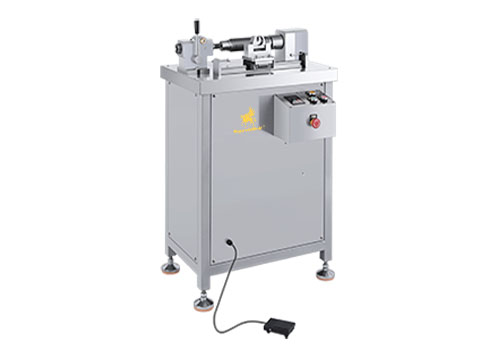
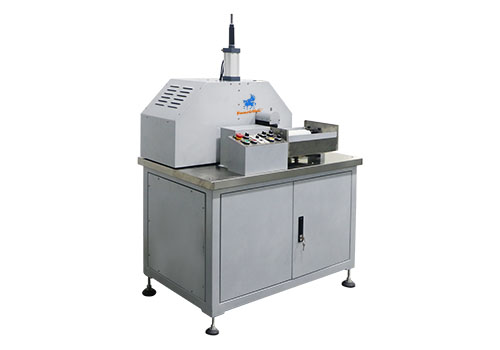
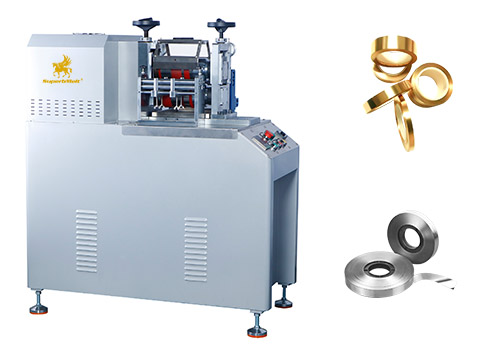
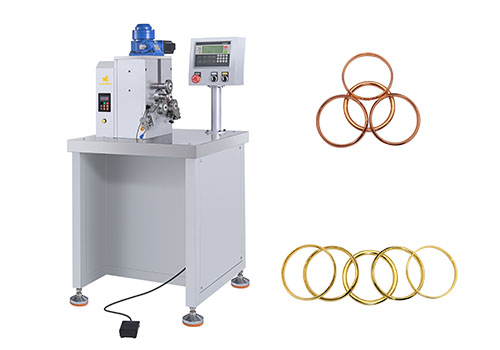
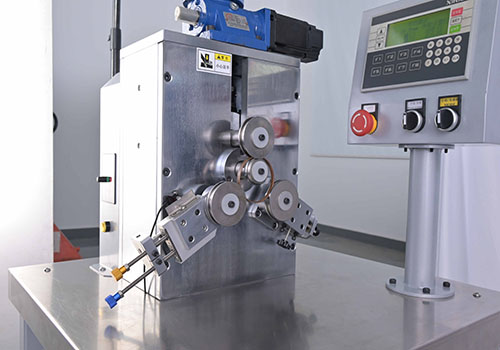
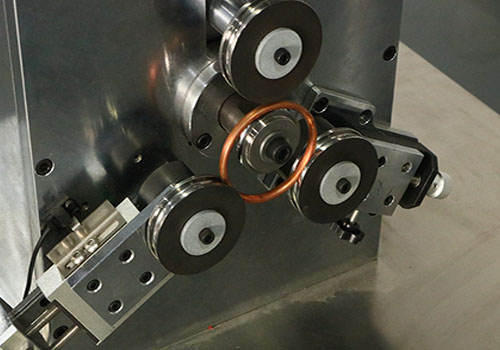
SuperbMelt circular bending machine can produce 4-8 gold, silver, platinum, K gold, and alloy jewelry bracelets, rings, or other round artworks per minute in a fully automatic manner.
The circular bending machine is a mechanical equipment used for metal processing, primarily for bending metal sheets or metal tubes into curved shapes.
Purpose-built for jewelry workshops — forms perfect rings and bangles from gold, silver, platinum, and K-gold with zero material loss.
| Model number | SPB-BSM8 |
| Power source | 220V |
| Power | 800w |
| Applicable metal | Gold, Silver, Platinum, Palladium, and their alloys |
| Integrated production capacity | 4-8 pieces/ minutes |
| Max capacity | Platinum, gold, silver, copper, K gold and their alloys |
| Control System | PLC intelligent control |
| Dimension | 690*1200*1100mm |
| Weight | 220 kg |
- Fast Speed: With a production capacity of 4-8 pieces per minute.
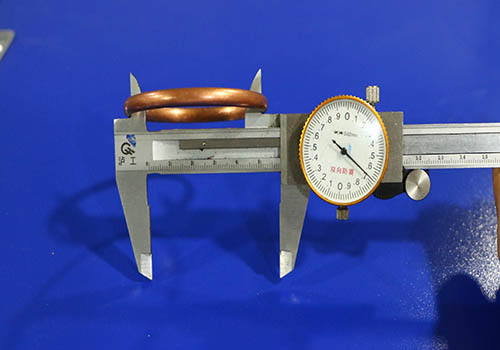
- Tight Tolerance: Controlled within 5 threads, suitable for direct CNC operations.
- PLC Control System: Capable of storing 100 sets of data for convenient access (illuminated control panel).
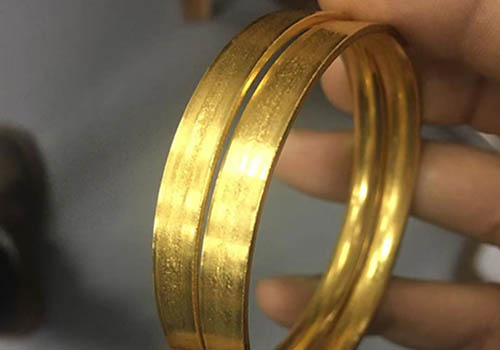
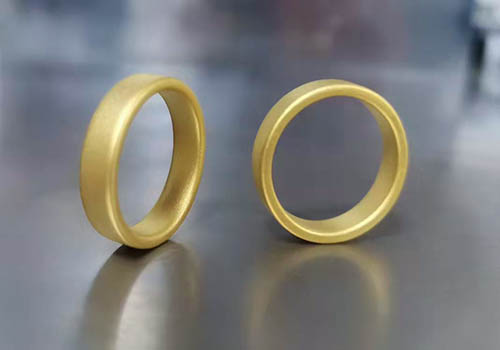
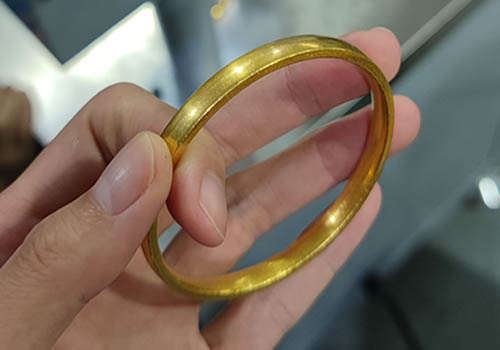
- Uniform Thickness: Ensures smooth inner and outer rings, reducing the need for post-polishing (shiny finished bracelets).
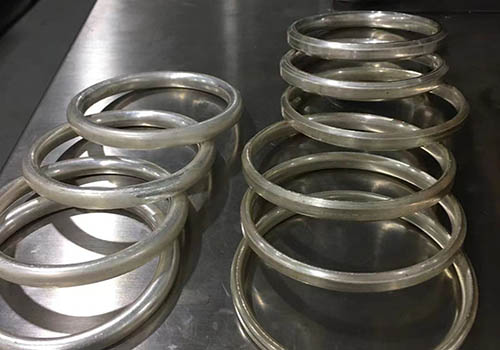
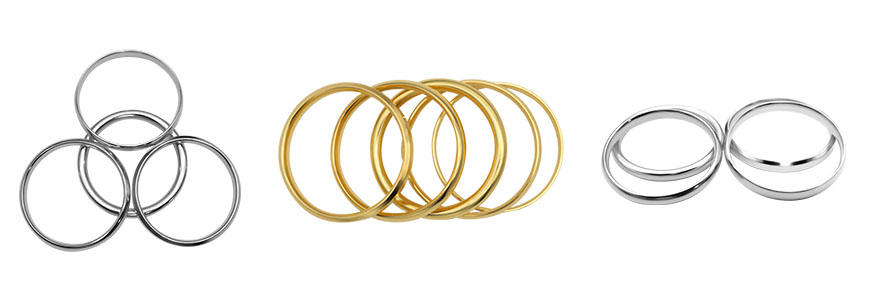
- Versatile: Capable of producing bracelets with various shapes by simply changing the molds (display of finished products in platinum, gold, silver, copper, etc.).
- Integrated Bracelet and Ring Machine: Saves costs and space.
- Precision Bending: Ensures accurate and consistent bending angles, contributing to the overall quality of the finished products.
- User-Friendly Interface: Equipped with an intuitive interface, making it easy for operators to set parameters and monitor the production process.
- Durable Construction: Hardened steel rollers and a 220kg stable base ensure vibration-free bending and long-term reliability, even under continuous production use.
- Safety Features: Equipped with an emergency stop button and protective guarding around the rollers, preventing accidental contact during operation.
- Low Maintenance: Core components are backed by an 18-month warranty, with simple lubrication and roller inspection as the only routine upkeep needed.
- Customizable Options: Offers flexibility in customization, allowing users to tailor the machine according to their specific requirements and preferences.
Jewelry & Craftsmanship (Primary Use): Purpose-built for forming precious metal jewelry into precise circular shapes, including:
Ring Forming: Wedding bands, decorative rings, and custom-sized ring blanks
Bangle & Bracelet Making: Solid and hollow bangles in gold, silver, platinum, and K-gold
Earring Frames: Circular and hoop earring components
Necklace & Pendant Fittings: Curved connectors, clasps, and circular pendant frames
Metalworking (Background Use): Also applicable for general precision bending of metal strips and wires into round or arc shapes where required.
Why SuperbMelt Round Bending Machine


Any Question About SuperbMelt Round Bending Machine
About Round Bending Machine Guide
Introducing the functions and features of the Round Bending Machine
What is a Round Bending Machine?
A Round Bending Machine, also known as a ring bending machine or circle bending tool, is a precision forming device used to bend metal strips, wires, or sheets into round or arc shapes. In the jewelry industry, it’s essential for making items like rings, bangles, circular frames, and curved components for artistic or structural purposes.
Key Functions:
Metal Forming into Precise Circular Shapes
Easily bends gold, silver, platinum, copper, and other jewelry metals into perfect circles or arcs with adjustable radii.Cold Bending with No Material Loss
Performs cold bending to preserve the metal’s structural integrity and reduce waste — important for precious metals.Multiple Diameter Settings
Operators can customize inner and outer diameters by adjusting rollers, allowing for various jewelry sizes (e.g., fingerSmooth Bending without Cracking
Prevents surface damage or cracking — especially crucial for decorative and high-polish jewelry pieces.
Main Features:
High Precision: Fine roller control ensures perfectly symmetrical curves for consistent product output.
Adjustable Rollers: Can handle multiple thicknesses and widths of metal strip/wire.
Manual or Electric Options: Available in hand-crank or motorized versions, suitable for small studios or mass production.
Durable Construction: Made with hardened steel rollers and a stable base for vibration-free bending.
Compact and Easy to Use: Designed for workbench use in small jewelry studios or workshops.
Supports Custom Bending Patterns: Some models can be equipped with interchangeable molds or dies for oval, wave, or spiral curves.
Typical Applications in Jewelry Making:
Beyond forming rings, bangles, and earring frames (see the full breakdown above in the Application section), the Round Bending Machine also handles:
- Metal wire shaping for brooches and pendant outlines
- Forming base frames for gemstone mounting
- Custom curved components for one-off design prototypes
Which craftsmen or work scenarios are suitable for
Which Craftsmen or Work Scenarios Are Suitable for This Machine?
- Jewelry Designers & Artisans: Ideal for independent jewelry makers or designers who need small-batch, customized curved metal components — for example, prototyping a new ring design before committing to full production.
- Jewelry Workshops: Perfect for medium-sized studios running multiple bending tasks daily, such as switching between ring and bangle orders without downtime thanks to the PLC’s 100-preset memory.
- Goldsmiths & Silversmiths: Particularly useful for bending gold, silver, and copper strips into ring blanks or circular settings ready for soldering.
- Educational Institutions: Suitable for jewelry-making programs teaching metal forming techniques, where consistent, repeatable bends help students learn proper technique safely.
- Repair Technicians: Handy in jewelry repair scenarios — for example, reshaping a bent or out-of-round bangle back to its original circular form.
This machine bridges the gap between craftsmanship and production efficiency, offering a reliable tool for anyone working in metal jewelry shaping.
The role of circular bending machines in the jewelry manufacturing process
The Role of Circular Bending Machines in the Jewelry Manufacturing Process
Circular bending machines are essential tools in jewelry production, particularly for shaping metal components into precise circular or curved forms. Their role includes:
Forming Ring Blanks and Bangles
They are widely used to bend flat strips or wires into perfect circles, serving as the foundational shape for rings, bangles, and hoop earrings.Ensuring Dimensional Accuracy
These machines offer consistent bending angles and diameters, reducing manual errors and ensuring uniformity across batches of jewelry pieces.Improving Production Efficiency
Compared to manual bending, circular bending machines significantly reduce labor time while enhancing output and precision.Supporting Custom Jewelry Design
With adjustable settings, they enable artisans to create bespoke curved components tailored to specific design requirements.Minimizing Metal Fatigue and Deformation
Their controlled bending mechanism ensures smooth curves without cracking or over-stressing the metal, preserving the quality of precious materials like gold, silver, and platinum.
In short, circular bending machines play a vital role in transforming raw metal materials into elegant, accurately curved components, contributing to both the aesthetic and structural integrity of fine jewelry.
FAQ Guide of Round Bending Machine
- 1. What is the bending machine called?
- 2. What equipment is used to bend metal?
- 3. What is a Round Bending Machine?
- 4. How does a Round Bending Machine work?
- 5. What are the main purposes of a Round Bending Machine?
- 6. What materials are suitable for Round Bending Machines?
- 7. What is the range of thicknesses of materials that a Round Bending Machine can handle?
- 8. What are the operating methods of a Round Bending Machine?
- 9. What are the safety precautions for using a Round Bending Machine?
- 10. What are the maintenance and care requirements for a Round Bending Machine?
- 11. What are the advantages of Round Bending Machines?
- 12. What are the disadvantages of Round Bending Machines?
- 13. How does a Round Bending Machine differ from other types of bending equipment?
- 14. How to choose the right model of Round Bending Machine for specific needs?
- 15. What is the price range of Round Bending Machines?
- 16. In which industries are Round Bending Machines commonly used?
- 17. What is the history and development of Round Bending Machines?
- 18. What makes SuperbMelt's Round Bending Machine different from other brands?
- 19. How is the accuracy and repeatability of Round Bending Machines?
- 20. What are common problems with Round Bending Machines and their solutions?
- 21. What type of control system do Round Bending Machines use?
- 22. What are the environmental requirements for operating a Round Bending Machine?
1. What is the bending machine called?
It is a machine tool with a die and punch combination for bending plate and sheet metal. The workpiece is bent to the required angle by applying force with the press brake. These devices are frequently employed in the fabrication and metalworking sectors for a variety of tasks, including the shaping of metal parts for building, cars, machinery, and other purposes.
2. What equipment is used to bend metal?
equipment used to bend metal is called a bending machine or a press brake. It applies force to deform the metal, allowing it to bend into the desired shape.
3. What is a Round Bending Machine?
A Round Bending Machine is a type of machine tool designed to curve or bend metal rods, tubes, or sheets into various rounded shapes or arcs.
4. How does a Round Bending Machine work?
A Round Bending Machine works by feeding the metal workpiece between three adjustable rollers (two bottom rollers and one top roller), which rotate and apply pressure to gradually bend the metal into the desired shape.
5. What are the main purposes of a Round Bending Machine?
The primary purposes of a Round Bending Machine include forming metal rods, tubes, or sheets into curves, arcs, circles, or cylindrical shapes for various applications in industries such as construction, manufacturing, and fabrication.
6. What materials are suitable for Round Bending Machines?
Round Bending Machines are suitable for bending various materials, including but not limited to steel, stainless steel, aluminum, copper, and brass.
7. What is the range of thicknesses of materials that a Round Bending Machine can handle?
The thickness of materials that a Round Bending Machine can handle depends on the specific model and design. However, they typically handle a wide range of thicknesses, from thin sheets to thicker rods or tubes.
8. What are the operating methods of a Round Bending Machine?
Round Bending Machines are operated by adjusting the position and pressure of the rollers manually or through automated controls, depending on the machine’s features.
9. What are the safety precautions for using a Round Bending Machine?
Safety precautions for using a Round Bending Machine include wearing appropriate personal protective equipment, ensuring proper machine guarding, following proper operating procedures, and receiving adequate training.
10. What are the maintenance and care requirements for a Round Bending Machine?
Maintenance and care requirements typically include regular lubrication of moving parts, inspection for wear and tear, cleaning of debris, and periodic adjustments to ensure optimal performance.
11. What are the advantages of Round Bending Machines?
Advantages of Round Bending Machines include versatility in bending various shapes, relatively simple operation, and the ability to achieve precise bends with consistent results.
12. What are the disadvantages of Round Bending Machines?
Disadvantages may include limitations in bending certain complex shapes, the need for skilled operators to achieve desired results, and the potential for material distortion or deformation during bending.
13. How does a Round Bending Machine differ from other types of bending equipment?
Round Bending Machines differ from other types of bending equipment such as press brakes or tube benders in their capability to form rounded shapes or arcs, rather than linear bends or folds.
14. How to choose the right model of Round Bending Machine for specific needs?
When choosing a Round Bending Machine, factors to consider include the required capacity (size and thickness of materials), the desired bending radius, available features (such as digital controls or additional tooling), and budget considerations.
15. What is the price range of Round Bending Machines?
The price range of Round Bending Machines varies depending on factors such as size, capacity, features, and brand. Prices can range from a few thousand dollars for smaller models to tens of thousands for larger, more advanced machines.
16. In which industries are Round Bending Machines commonly used?
Round Bending Machines are commonly used in industries such as metalworking, construction, automotive, aerospace, and shipbuilding for various applications involving curved or rounded metal components.
17.What is the history and development of Round Bending Machines?
The history of Round Bending Machines dates back to the early 20th century, with continuous advancements in design, technology, and automation leading to more efficient and versatile machines over time.
18. What makes SuperbMelt's Round Bending Machine different from other brands?
Well-known manufacturers of Round Bending Machines include companies such as Haeusler, Faccin, MG, Davi, and AKYAPAK, among others.
19. How is the accuracy and repeatability of Round Bending Machines?
Round Bending Machines can achieve high levels of accuracy and repeatability, especially when equipped with precise digital controls and quality tooling. However, factors such as material properties and operator skill also influence results.
20. What are common problems with Round Bending Machines and their solutions?
Common problems with Round Bending Machines may include material slippage, wrinkling, or springback during bending. Solutions may involve adjusting roller pressure, using proper tooling, or optimizing machine settings.
21. What type of control system do Round Bending Machines use?
Round Bending Machines may use manual controls, hydraulic controls, or CNC (Computer Numerical Control) systems for precise and automated operation, depending on the machine’s design and capabilities.
22. What are the environmental requirements for operating a Round Bending Machine?
Environmental requirements for operating a Round Bending Machine typically include providing adequate ventilation to remove fumes or dust generated during the bending process and ensuring compliance with relevant safety and environmental regulations.


© Copyright 2008-2026 Superb Electromachinery Co., Limited