
Centrifugal Disc Finishing Machine
SuperbMelt polishing machines are specially designed to provide polishing services for jewelry and other precious metals for our customers
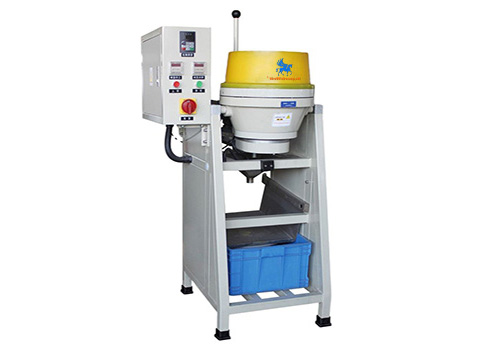
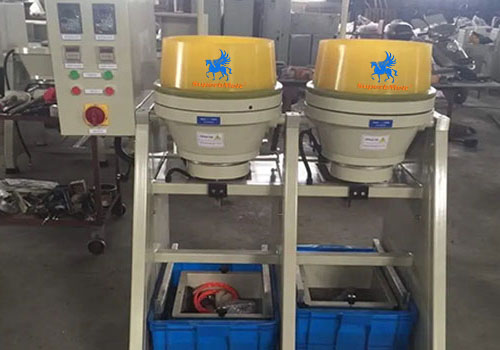
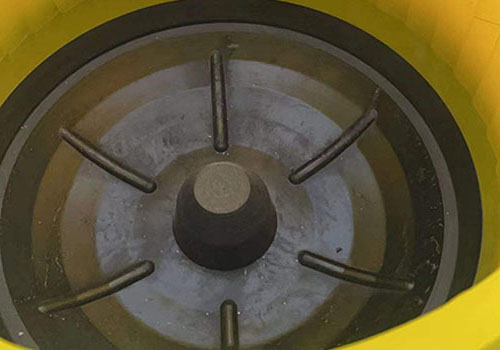
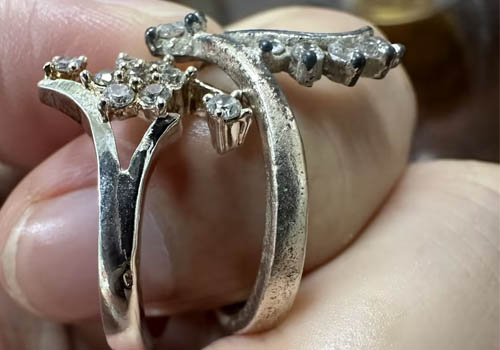
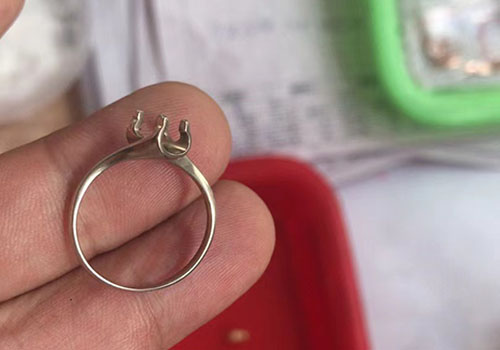
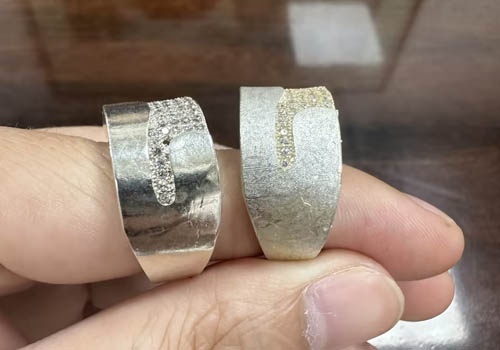
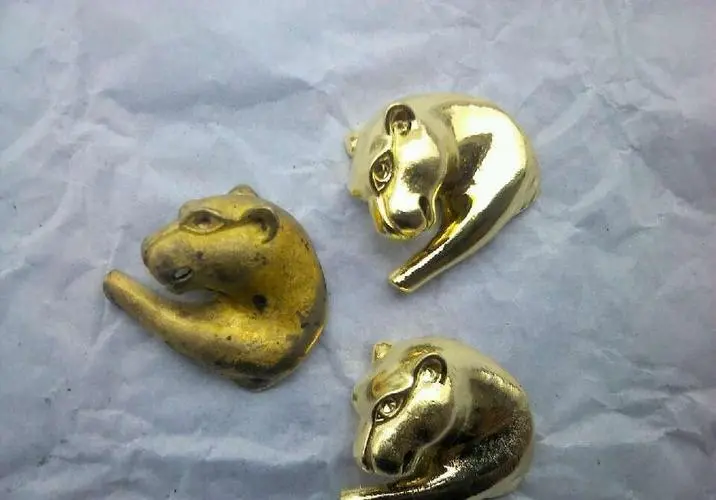
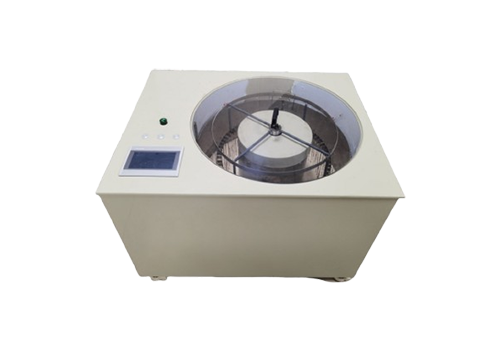
SuperbMelt Centrifugal Disc Finishing Machine can polish hundreds of jewelry pieces, including rings and necklaces, at once, making their surfaces smooth and clean.
- Compared to manual sandblasting, this machine is much more efficient, capable of polishing hundreds of gold, silver, and copper jewelry rings at once.
- The longer the polishing, the better the final product. Generally, it takes 2-3 hours to complete a batch of hundreds of jewelry rings.
Using the SuperbMelt Centrifugal Disc Finishing Machine will help you enhance your jewelry polishing business, increase efficiency, and reduce costs!
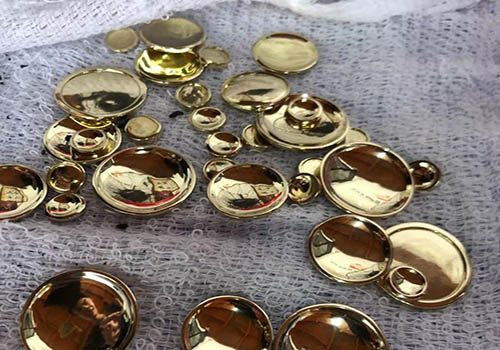
| Model number | SPB-PMC 1 | SPB-PMC 2 | SPB-PMC 3 |
| Power supply | AC 220V | AC 220V | AC 220V |
| Power | 750w | 750w*2 | 750w*3 |
| Machine hook | 18L | 18L*2 | 18L*3 |
| Maximum operating speed | 500 | 500 | 500 |
| Required | crysrock grind material 100KG walnut grind 100kg polishing paste 20kg | crysrock grind material 100KG walnut grind 150kg polishing paste 30kg | crysrock grind material 200KG walnut grind 300kg polishing paste 50kg |
| Size | 170*90*145cm | 120*90*140cm | 170*90*145cm |
Qualities:
- High Efficiency: Can polish hundreds of jewelry pieces simultaneously, cutting down on polishing time greatly.
- Precision polishing: Gives jewelry pieces clean, smooth surfaces that improve their visual appeal.
- Versatility: Excellent for polishing copper, silver, and gold among other metals.
- User-Friendly Operation: Requires little training and is simple to use.
- Adjustable Settings: To get the right finish, you can change the intensity and duration of the polishing process.
- Sturdy Construction: Made with premium components for enduring functionality.
- Consistent Outcomes: Guarantees consistent polishing outcomes for every piece in every batch.
Benefits :
- Time-saving: Compared to manual procedures, significantly cuts down on the amount of time needed for polishing.
- Cost-effective: By enabling big batches to be polished at once, it lowers labor expenses and boosts production.
- Enhanced Quality: Generates superior finishes that augment the jewelry’s worth.
- Flexibility: Able to work with a broad variety of jewelry styles and designs.
- Scalability: Perfect for jewelry manufacturers, large or small.
- Improved Workflow: Makes polishing easier and makes it possible to manage workflow more effectively.
- Enhanced Capacity: Fit for hectic production settings, this machine can manage large volumes of polishing activities.
- Jewelry Manufacturing: To ensure a smooth and glossy surface, it polishes a range of jewelry, including rings, necklaces, bracelets, and earrings made of gold, silver, copper, and other metals.
- Watchmaking: It’s used to polish watch parts, such as dials, bands, and cases, to improve the end product’s appearance and quality.
- Craft Manufacturing: It smooths and beautifies the surfaces of a variety of metal crafts, including decorations, sculptures, and decorative pieces.
- Clockmaking: It ensures accuracy and a polished appearance by polishing the external and internal clock elements.
- Small Tool & Hardware Components: It smooths and enhances the feel of small metal components and fittings, such as buckles, clasps, and decorative hardware.
- Electronics Accessories: It improves the look and feel of small decorative components like phone cases and earphone housings by polishing their surfaces.
Why SuperbMelt Centrifugal Disc Finishing Machine


Any Question About SuperbMelt Centrifugal Disc Finishing Machine
Any Question About SuperbMelt Centrifugal Disc Finishing Machine
Guide to the SuperbMelt Centrifugal Disc Finishing Machine
Applications of the Centrifugal Polishing Machine
1.1, Jewelry Industry
The Jewelry Industry’s Use of Centrifugal Disc Finishing Machines
The Centrifugal Disc Finishing Machine is a crucial tool in the jewelry industry for optimizing production and guaranteeing the caliber of jewelry pieces that are completed.
Efficiency: The machine is quite effective at polishing jewelry, including bracelets, necklaces, and rings. It can manage many items at once, cutting down on personnel expenses and processing times.
Quality: The machine’s use of centrifugal force guarantees that every jewelry piece is polished uniformly and consistently, producing a faultless finish. The jewelry’s overall quality and appearance are improved by this consistency.
Versatility: It may be used with gold, silver, platinum, and a variety of alloys, among other jewelry materials. Because of their adaptability, jewelry makers can meet a wide range of manufacturing needs and market expectations.
Precision: The machine allows you perfect control over the polishing process thanks to its cutting-edge technology and programmable settings. With little room for error, jewelers can attain the appropriate degree of gloss, smoothness, and surface roughness.
Cost-Effectiveness: The Centrifugal Disc Finishing Machine provides affordable jewelry polishing solutions despite its advanced capabilities. It increases total profitability by maximizing productivity and reducing operating costs and material waste.
Competitive Advantage: By producing high-quality goods quickly, jewelry companies that integrate this equipment into their production workflows get an advantage over their rivals. Customer satisfaction and brand reputation are positively impacted by the consistent results and decreased lead times.
Essentially, the Centrifugal Disc Finishing Machine is a vital tool for the jewelry business, helping both producers and craftspeople achieve competitive success, higher quality, and increased efficiency.
1.2, Craft Production
Unlike jewelry pieces, craft items often have more varied textures, irregular shapes, and mixed materials — which is where the Centrifugal Disc Finishing Machine’s adjustable settings become especially valuable.
Handling Complex Textures: Sculptures, decorative pieces, and handcrafted metal items often have uneven surfaces or fine details that require gentler, longer polishing cycles rather than the faster settings used for standardized jewelry pieces. The machine’s adjustable speed and duration settings allow operators to fine-tune the process for each type of craft item.
Mixed Batch Processing: Craft workshops often produce small batches of varied designs rather than large runs of identical pieces. The machine’s multiple hopper configurations (available in single, double, or triple 18L units) let workshops process different item types side-by-side without needing separate equipment for each batch size.
Preserving Fine Detail: For intricate handcrafted designs, over-polishing can wear away fine details. Adjustable polishing duration helps craft producers strike the right balance between achieving a smooth finish and preserving the original design’s character.
Cost Control for Small Runs: Since craft production often involves smaller, more varied batches than standardized jewelry manufacturing, the ability to run smaller loads (using the single-hopper SPB-PMC1) without sacrificing polish quality helps keep costs proportional to batch size.
In short, while the core technology is the same as used in jewelry polishing, craft production benefits most from the machine’s flexibility — in settings, batch size, and hopper configuration — rather than from raw throughput alone.
1.3, Watchmaking Industry
Because it offers accurate and effective polishing solutions for watch components, the Centrifugal Disc Finishing Machine plays a crucial role in the watchmaking industry. Superior surface finishes are produced by its cutting-edge technology and painstaking craftsmanship, guaranteeing the highest standards of quality for watch parts. This device greatly increases the competitiveness of watchmakers in the market by improving the overall attractiveness, robustness, and aesthetics of timepieces.
Introduction
2.1, Working Principle
Utilizing a mix of mechanical action, centrifugal force, and abrasive media, the SuperbMelt Centrifugal Disc Finishing Machine produces a polished finish on a variety of metal items.
Loading: The components that need to be polished are placed into the machine’s processing chamber together with abrasive media and an appropriate polishing compound. Depending on the kind of finishing needed, the abrasive media might be composed of ceramic, plastic, or other materials.
Centrifugal force: The chamber’s bottom disk rotates quickly as soon as the machine is turned on. A centrifugal force produced by this rotation forces the media and pieces to push outward against the chamber walls.
Friction and Impact: When the components and media collide with the chamber walls, they tumble and slide over one another. Between the components and the abrasive media, this movement causes friction and impact. The pieces’ surface is polished and ground by the abrasive medium as a result of the constant movement.
Abrasive Action: By eliminating burrs, oxidation, and surface defects, the abrasive medium gives the parts a glossy, smooth finish. Depending on the required level of finish, the polishing cycle’s time can be changed.
Separation and Unloading: Following the completion of the polishing cycle, the pieces are taken out of the abrasive media by stopping the machine. Depending on how the machine is made, either a manual or automatic separation mechanism can be used for this.
Cleaning: After polishing, the parts are cleaned to get rid of any media and polishing compound residue. You can use water or an appropriate cleaning solution for this.
The SuperbMelt Centrifugal Disc Finishing Machine has several advantages over hand polishing techniques, including the capacity to polish a large number of parts at once, uniform and high-quality finishes, and a significant reduction in labor and time.
2.2, Key Features
The SuperbMelt Centrifugal Disc Finishing Machine offers three configurations (SPB-PMC1/2/3) with single, double, or triple 18L hoppers, giving workshops the flexibility to scale batch size without upgrading to a larger single unit. Each hopper operates at a maximum speed of 500rpm, and the abrasive media, polishing paste, and cycle duration can all be adjusted to match the material and finish required for different jewelry, craft, or watch components. This configurable approach allows a single machine lineup to serve workshops ranging from small jewelry studios to multi-line production setups.
2.3, What is Centrifugal?
Centrifugal force is a phenomenon experienced by objects moving in a curved path or rotating around a central point. It’s the result of inertia, the tendency of an object to resist changes in its motion. In the case of a Centrifugal Disc Finishing Machine, this force is harnessed to spin a disc or barrel containing workpieces and abrasive media. As the machine rotates, centrifugal force pushes the media outward, causing it to rub against the workpieces’ surfaces, resulting in polishing or finishing. This process enables efficient and uniform surface treatment, enhancing the quality and appearance of the finished products.
Conclusion
The SuperbMelt Centrifugal Disc Finishing Machine is a game-changer for surface finishing operations in a variety of industries, including watchmaking, jewelry, and craft manufacturing. Its creative design and centrifugal force application guarantee effective polishing of several objects at once. This machine greatly increases production and improves the quality of final products because it can achieve uniformity, precision, and cost-effectiveness. Whether it is used to refine handcrafted artifacts, streamline the manufacture of jewelry, or polish complicated watch components, the Centrifugal Disc Finishing Machine is a key component of manufacturing excellence that propels innovation and competitiveness in today’s ever-changing market.
FAQ Guide of Centrifugal Disc Finishing Machine
- 1. How many jewelry pieces can this machine polish at once?
- 2. How long does a full polishing cycle take?
- 3. What metals can be polished with this machine?
- 4. What's the difference between the SPB-PMC1, PMC2, and PMC3 models?
- 5. What abrasive media and polishing materials are required?
- 6. Is this machine suitable for small workshops or only large-scale production?
- 7. Does the machine require special training to operate?
- 8. How is this different from manual sandblasting or polishing?
1. How many jewelry pieces can this machine polish at once?
The machine can polish hundreds of jewelry pieces per batch, depending on the model. The SPB-PMC1 has a single 18L hopper, while the SPB-PMC2 and SPB-PMC3 offer double and triple hopper configurations for higher-volume batches.
2. How long does a full polishing cycle take?
A typical cycle takes 2-3 hours to complete a batch of hundreds of jewelry rings. Longer polishing generally produces a better final finish, so cycle time can be adjusted based on the desired result.
3. What metals can be polished with this machine?
The machine is suitable for gold, silver, copper, and a variety of other metal alloys commonly used in jewelry, craft, and watch component manufacturing.
4. What's the difference between the SPB-PMC1, PMC2, and PMC3 models?
The three models differ primarily in hopper configuration and power: the SPB-PMC1 has a single 18L hopper (750W), the SPB-PMC2 has two 18L hoppers (750W×2), and the SPB-PMC3 has three 18L hoppers (750W×3). All models operate at a maximum speed of 500rpm; the choice depends on your required batch volume.
5. What abrasive media and polishing materials are required?
The machine requires crysrock grinding material and walnut grinding media, along with polishing paste. Required quantities scale with the model — for example, the SPB-PMC1 requires 100KG of crysrock/walnut grind and 20kg of polishing paste per operation.
6. Is this machine suitable for small workshops or only large-scale production?
Both. The single-hopper SPB-PMC1 is well-suited for small workshops or craft producers running smaller, varied batches, while the double and triple-hopper PMC2 and PMC3 models are better suited for higher-volume jewelry manufacturing.
7. Does the machine require special training to operate?
No. The machine is designed for user-friendly operation, requiring only basic training to load materials, set polishing duration, and unload finished pieces.
8. How is this different from manual sandblasting or polishing?
Compared to manual sandblasting, the Centrifugal Disc Finishing Machine can polish hundreds of pieces simultaneously with consistent, uniform results, significantly reducing labor time and costs compared to polishing pieces individually by hand.
 © Copyright 2008-2026 Superb Electromachinery Co., Limited